
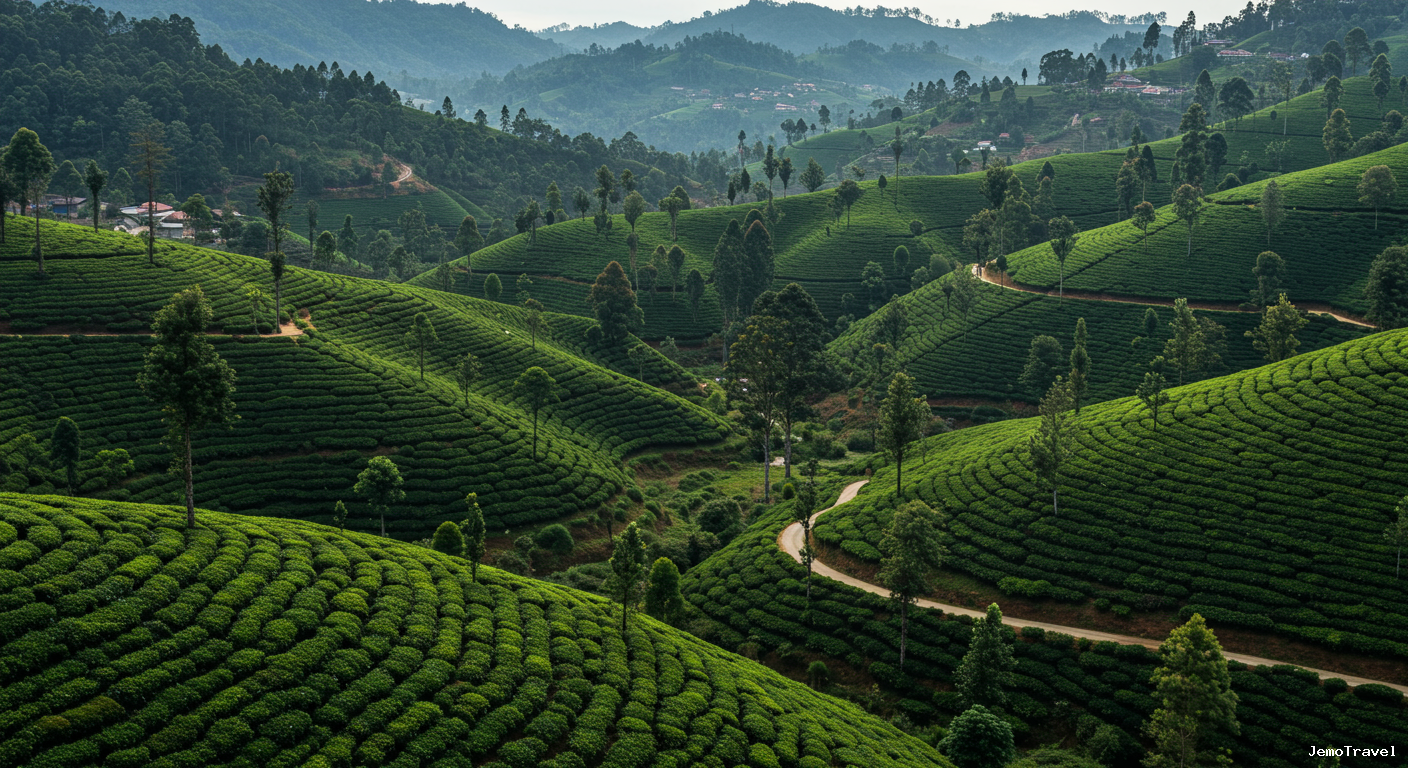
Sri Lanka's Tea Plantations: A Journey Through Emerald Hills
Explore the emerald hills of Sri Lanka's tea plantations. This guide covers the iconic Ella train ride, Nuwara Eliya, and the rich history of Ceylon tea.
Introduction
Embark on a journey into the heart of Sri Lanka, where a sea of emerald green carpets the rolling hills and mist-clad mountains. This is the home of the world-renowned Ceylon tea, an industry and a landscape that defines the island's central highlands. A visit to the Sri Lanka tea plantations is more than just a scenic tour; it’s an immersive experience into a rich tapestry of history, culture, and breathtaking nature. Visitors can expect to traverse colonial-era towns frozen in time, witness the meticulous art of tea plucking, and ride one of the most beautiful train journeys in the world. The air itself is fragrant with the promise of a perfect cup. From the cool climes of Nuwara Eliya to the panoramic vistas from Lipton's Seat, this journey offers a tranquil and unforgettable escape, revealing why this corner of Sri Lanka remains a cherished destination for travelers seeking both beauty and heritage.
History & Background
The story of Ceylon tea is one of resilience and transformation. Before tea dominated the highlands, coffee was the island's primary cash crop. However, in the 1860s, a devastating fungal disease known as coffee rust wiped out the plantations, plunging the colonial economy into crisis. In response, a pioneering Scottish planter named James Taylor began experimenting with tea. In 1867, he planted the first commercial tea field, a modest 19-acre plot on the Loolecondera Estate near Kandy. This single act marked the birth of an industry that would reshape Sri Lanka’s landscape and identity forever.
The British quickly recognized the potential of this new crop. Forests were cleared at a rapid pace to make way for vast tea estates, and the industry expanded exponentially throughout the late 19th century. To work these burgeoning plantations, a massive labor force was required. The British brought over hundreds of thousands of Tamil workers from Southern India, whose descendants continue to be the lifeblood of the tea industry today. Their culture, traditions, and tireless work are inextricably woven into the fabric of the Sri Lanka tea plantations.
This colonial-era infrastructure, including the iconic railway line built to transport tea to the port of Colombo, still defines the region. The legacy of figures like Sir Thomas Lipton, who democratized tea for the global market, is still felt. Today, Ceylon tea is a symbol of Sri Lankan quality and heritage, with the 'Central Highlands of Sri Lanka', which includes Horton Plains National Park and the Knuckles Conservation Forest, being designated a UNESCO World Heritage site in 2010 for its exceptional biodiversity and cultural significance.
What to See and Do
Your journey through Sri Lanka’s tea country is filled with unforgettable activities and sights. The quintessential experience is the iconic Kandy to Ella train ride. Often hailed as one of the world's most spectacular rail journeys, this trip takes you through the very heart of the tea plantations. As the classic blue train winds its way up into the highlands, you'll be treated to jaw-dropping views of verdant valleys, cascading waterfalls, and meticulously manicured tea bushes. Be sure to have your camera ready as you cross the famous Nine Arch Bridge, an architectural marvel nestled amidst the greenery near Ella.
No visit is complete without exploring Nuwara Eliya, the capital of the tea region. Known as 'Little England', this charming town retains a distinct colonial atmosphere with its Tudor-style houses, the grand old Post Office, and beautifully manicured gardens like Victoria Park. The cool, crisp climate provides a refreshing contrast to the coastal heat. You can enjoy a leisurely stroll around Gregory Lake, play a round of golf at the historic Nuwara Eliya Golf Club, or simply soak in the old-world charm.
A crucial part of the experience is a comprehensive tea factory tour. Visit a working estate like the Pedro Tea Estate or Geragama Tea Factory to witness the fascinating process that transforms a simple green leaf into the aromatic beverage enjoyed worldwide. A guide will walk you through the withering, rolling, fermentation, drying, and sorting stages. The tour almost always concludes with a tea tasting session, where you can sample various grades of pure Ceylon tea and purchase your favorites directly from the source.
For the most breathtaking panoramic views, make an early morning trek or tuk-tuk ride up to Lipton's Seat in Haputale. This famous viewpoint is where the Scottish tea baron Sir Thomas Lipton used to sit and survey his flourishing empire. On a clear day, the vista stretches across seven provinces, offering a stunning 360-degree spectacle of the surrounding hills, valleys, and reservoirs. It’s a truly humbling sight that perfectly captures the immense scale and beauty of the Sri Lanka tea plantations.
Best Time to Visit
Timing your Sri Lanka travel to the tea country is key to enjoying its full splendor. The region experiences a cooler, more temperate climate than the rest of the island, with two main seasons. The best time to visit is during the dry season, which typically runs from December to April. During these months, you can expect clear blue skies, minimal rainfall, and pleasant daytime temperatures hovering around 18-22°C (64-72°F) in areas like Nuwara Eliya, making it perfect for hiking, sightseeing, and capturing stunning photographs of the landscape.
The region is affected by two monsoon seasons: the southwest 'Yala' monsoon from May to August and the northeast 'Maha' monsoon from October to January. While these periods bring more rain, it often falls in short, heavy bursts in the afternoon, leaving mornings clear. The landscape is at its most lush and vibrant during this time. Visiting in the shoulder months of April, September, or November can offer a good balance of pleasant weather and fewer crowds. Regardless of when you visit, always pack layers, as evenings in the highlands can get quite chilly, with temperatures dropping to around 10°C (50°F).
How to Get There
The most popular and scenic way to access the heart of the Sri Lanka tea plantations is by train. The main railway line runs from Colombo Fort station to Badulla, passing through key hubs like Kandy, Hatton (for Adam's Peak), Nanu Oya (the station for Nuwara Eliya), and Ella. The stretch from Kandy to Ella is particularly famous for its breathtaking views. It is highly recommended to book your tickets, especially for the first-class observation car or reserved second-class seats, several weeks in advance as they sell out quickly.
For those seeking more flexibility and comfort, hiring a private car with a driver is an excellent option, which JEMO TRIP & TOUR can seamlessly arrange. The journey from Colombo to Nuwara Eliya by road takes approximately 5-6 hours, depending on traffic and road conditions. This allows you to stop at your leisure for photos or to visit sights along the way. For budget-conscious travelers, public buses connect Colombo and Kandy to towns throughout the tea country, though they are often crowded and can take longer than the train or a private car.
Travel Tips & Recommendations
To make the most of your journey, packing smart is essential. The highlands' weather is variable, so bring layers. A fleece or warm jacket is a must for the cool evenings and early mornings in Nuwara Eliya. A light rain jacket is wise, even in the dry season. Comfortable, sturdy walking shoes are non-negotiable for exploring the tea estates, hiking to viewpoints like Lipton's Seat, and navigating cobblestone streets. Sunscreen and a hat are also crucial, as the sun can be surprisingly strong at higher altitudes.
For a smooth experience, keep a few insider tips in mind. Always book your Ella train ride tickets well in advance, as this is one of Sri Lanka’s most popular attractions. While larger hotels and shops accept credit cards, carry sufficient local currency (Sri Lankan Rupees) for smaller tea shops, local eateries, and tuk-tuk rides. When photographing the tea pluckers, it is courteous to ask for their permission first; a small tip is often appreciated. Don't be afraid to try different varieties of Ceylon tea during your tea factory tour—from Silver Tips to Orange Pekoe, you might just find a new favorite.
Conclusion
A journey through Sri Lanka's tea plantations is a sensory immersion into a world of vibrant green landscapes, colonial history, and the rich aroma of authentic Ceylon tea. From the unforgettable Ella train ride to the serene heights of Lipton's Seat, this region offers a peaceful and profound travel experience. Ready to explore the emerald heart of the island? Contact JEMO TRIP & TOUR today, and let us craft your personalized Sri Lanka travel itinerary to the magical tea country.
Related Articles
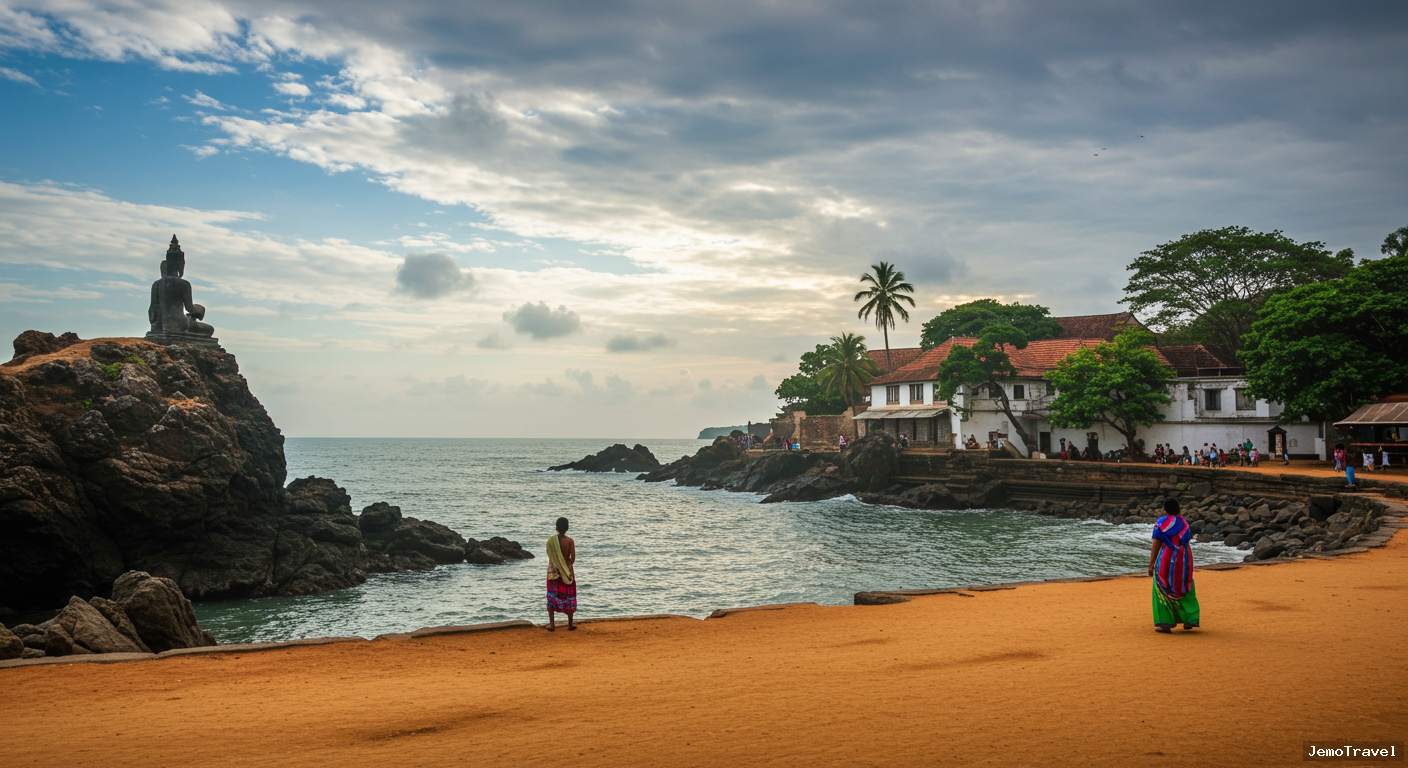
Ambalangoda, Sri Lanka: Unmasking the Coastal Cultural Capital
Discover Ambalangoda, Sri Lanka's cultural heart. Explore vibrant mask museums, ancient puppetry tra...
Read More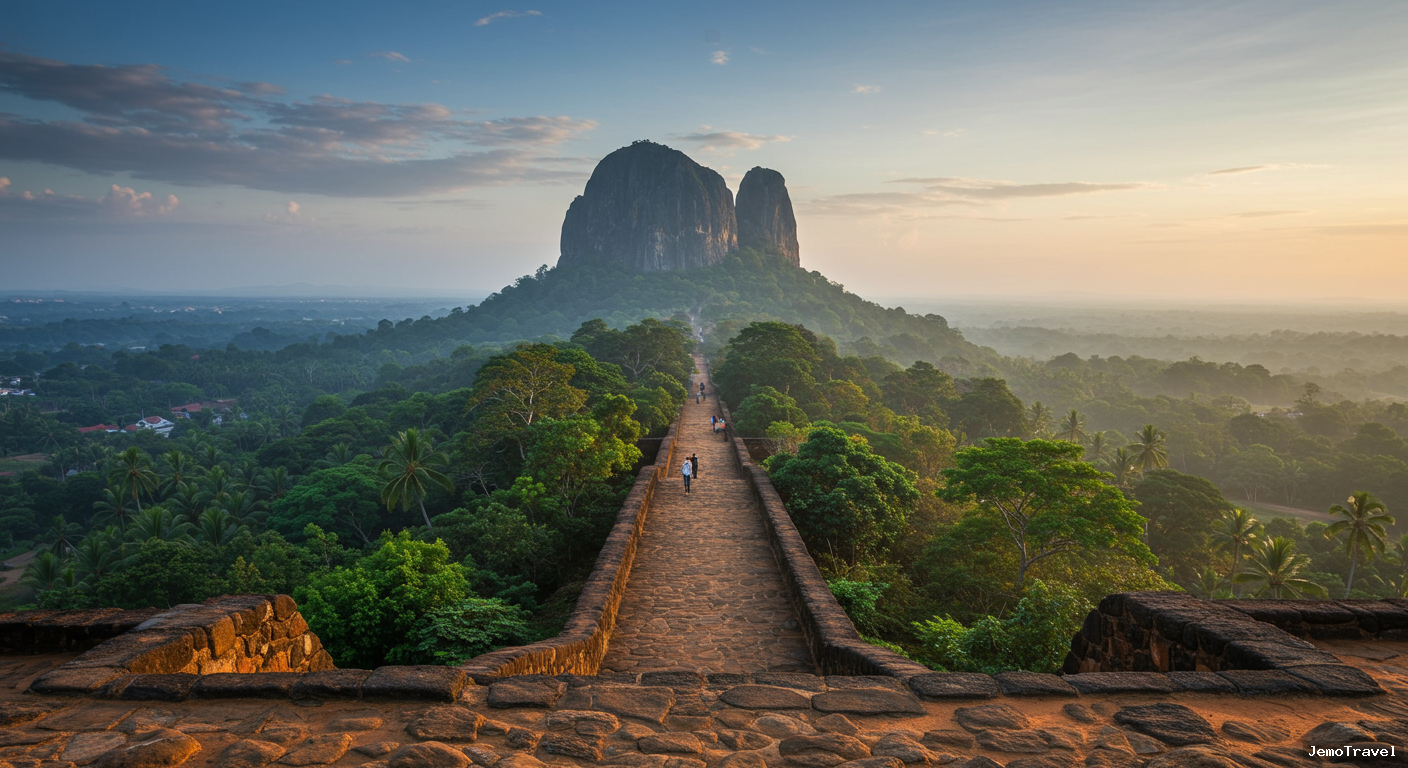
South Asia Travel Guide: Discovering India, Nepal & Sri Lanka
Explore the vibrant tapestry of South Asia. From Sri Lanka's ancient wonders to India's Golden Trian...
Read More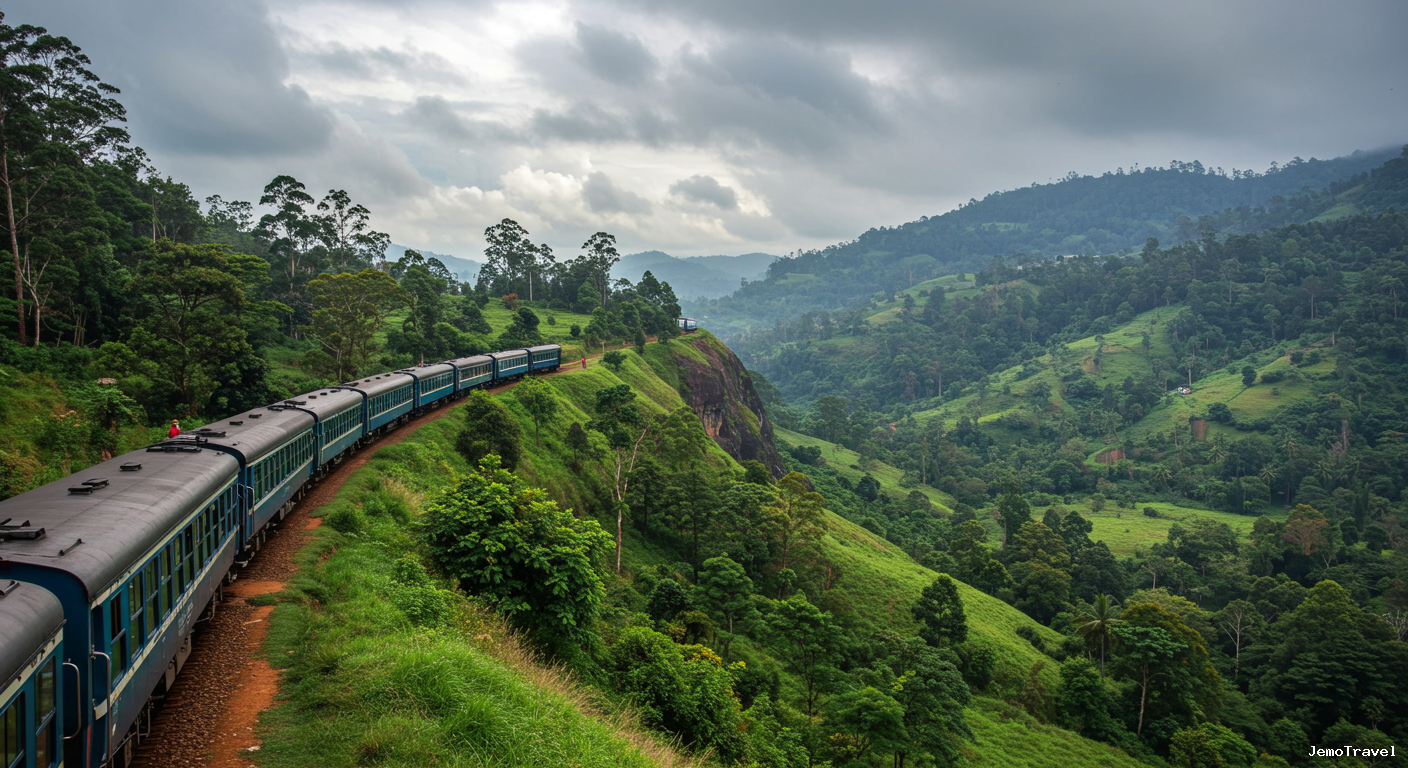
Pattipola: At the Summit of Sri Lanka's Most Scenic Train Ride
Discover Pattipola, Sri Lanka's highest railway station. A key stop on the iconic Kandy to Ella trai...
Read More