The Lion Flag of Sri Lanka: A Symbol of Unity and Pride
Discover the rich history and deep symbolism of the Sri Lankan flag. Learn what each element represents and where to see this proud emblem of unity on your Sri Lanka tour.
Introduction
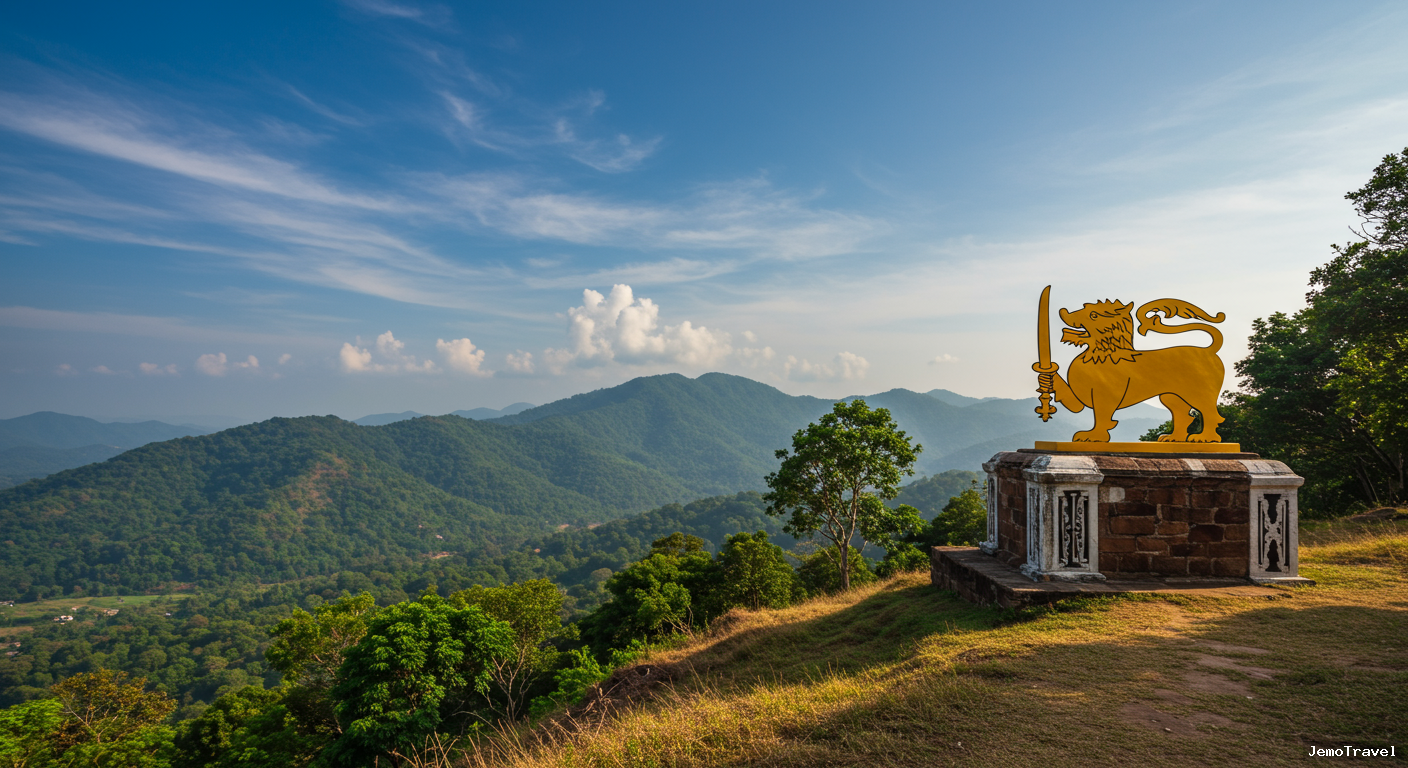
The national flag of Sri Lanka, known as the Lion Flag or Sinha Flag, is far more than a mere piece of fabric; it is a vibrant tapestry that narrates the island's epic history, its cultural diversity, and its enduring spirit. With a regal golden lion at its heart, this emblem is one of the world's most distinctive and symbolically rich national flags. It tells a story of ancient kingdoms, colonial struggles, and the journey towards a unified, independent nation. For any visitor to the Emerald Isle, understanding the flag provides a deeper appreciation for the country's identity. Observing it fly proudly over ancient temples, bustling cityscapes, and serene coastlines connects you to the very soul of Sri Lanka, transforming a simple holiday into a profound cultural immersion. It’s an invitation to explore the heritage of a nation that wears its history with immense pride.
History & Background
The roots of the Sri Lankan flag stretch back over 2,500 years, but its modern form is deeply connected to the last indigenous monarchy, the Kingdom of Kandy. The flag's central feature, the golden lion holding a kastane sword, was the royal standard of this kingdom. When the British Empire colonized the island in 1815, this powerful symbol was taken to England and largely forgotten. However, as the movement for independence gained momentum in the 20th century, the Lion Flag was rediscovered and championed as a symbol of national sovereignty. Upon gaining independence from Britain on February 4, 1948, this ancient design was officially adopted as the new nation's flag.
Recognizing the country's diverse population, modifications were soon proposed. In 1951, a parliamentary committee recommended the addition of two vertical stripes to be placed before the lion panel: a saffron-orange stripe to represent the Sri Lankan Tamils and a green stripe for the Sri Lankan Muslims. This addition was a crucial step, transforming the flag into a symbol of unity and inclusivity, where the maroon background continued to represent the majority Sinhalese community.
One final, significant change occurred in 1972 when Sri Lanka formally became a republic. The four stylized pinnacles in the corners of the maroon section were replaced with four Bo leaves (Ficus religiosa). This change was deeply symbolic, representing the four sublime states in Buddhism—Mettā (loving-kindness), Karuṇā (compassion), Muditā (sympathetic joy), and Upekkhā (equanimity)—further cementing the flag's representation of the nation's core values and heritage.
What to See and Do
While the Sri Lankan flag is not a physical destination, experiencing its presence is a key part of any visit, and there are specific places and times where its significance truly comes alive. Throughout your journey, you will see it flying proudly atop government buildings, most notably the grand Presidential Secretariat and the Parliament Complex in Sri Jayawardenepura Kotte. Seeing the Lion Flag against these architectural backdrops offers a powerful visual of modern Sri Lanka's governance and pride.
For an unforgettable cultural experience, plan your visit to coincide with a national celebration. The most important of these is Independence Day on February 4th. On this day, the entire country is awash with the flag's colours. The main ceremony in Colombo features a grand military parade and a formal flag-hoisting ceremony, often at the Galle Face Green, attended by the nation's leaders. Witnessing thousands of citizens waving the flag is a moving spectacle of patriotism and unity.
To delve into the flag's historical context, a visit to the National Museum of Colombo is essential. The museum houses artifacts from the Kandyan Kingdom, including royal standards and weaponry that inspired the flag's design. It provides a tangible link between the ancient lion symbol and the modern emblem you see today. Similarly, while exploring the ancient city of Kandy, the last royal capital, you can stand before the Temple of the Sacred Tooth Relic and imagine the original Lion Flag flying, connecting you directly to its regal origins.
Finally, the flag is an integral part of daily life and popular culture. You will spot it on the back of tuk-tuks, during fervent cricket matches where national pride is at its peak, and in countless shops. Purchasing a small, high-quality flag or a souvenir featuring its design from a reputable store like Laksala can be a meaningful way to commemorate your trip and honor the rich story it represents.
Best Time to Visit
To witness the Sri Lankan flag displayed with the most pageantry and celebration, the best time to visit is during the nation's primary holidays. February is an ideal month, centered around Independence Day on February 4th. The weather is generally dry and sunny along the popular west and south coasts, with average temperatures around 27-31°C (81-88°F), making it perfect for both sightseeing and celebrations. During this period, cities and towns are decorated with the national flag, and the patriotic atmosphere is palpable, offering a unique cultural insight.
Another significant time is May, which hosts two important events. Vesak Poya, the festival of light celebrating the birth, enlightenment, and death of Buddha, sees the country illuminated with lanterns. The national flag is often flown alongside the six-coloured Buddhist flag, creating a beautiful display of faith and national identity. May also marks National War Heroes' Day (around May 18th), where the flag is flown solemnly to honor the armed forces. While the southwest monsoon can begin in late May, the cultural experiences during this month are profound.
How to Get There
Your journey to experience the culture and pride symbolized by the Sri Lankan flag begins with a flight into Bandaranaike International Airport (CMB), located about 35 kilometers north of the capital city, Colombo. As the country's main international gateway, CMB is well-connected to major hubs across the globe, served by flagship carrier SriLankan Airlines, as well as Emirates, Qatar Airways, Singapore Airlines, and many others. Upon arrival, you will find several options for onward travel. For maximum comfort and convenience, JEMO TRIP & TOUR can arrange a private, air-conditioned vehicle to transfer you directly to your hotel.
Alternatively, airport taxis are readily available, and ride-hailing apps like Uber and PickMe operate from the airport. For those on a stricter budget, the Colombo-Katunayake Expressway bus provides a fast and economical service to the city center. Most foreign nationals are required to obtain an Electronic Travel Authorization (ETA) online before arrival. We highly recommend checking the official Sri Lanka ETA website for the most current visa requirements and application procedures well in advance of your travel dates.
Travel Tips & Recommendations
The Sri Lankan flag is a deeply respected national symbol, and it's important for visitors to treat it with due reverence. When observing or photographing the flag, ensure it is never depicted in a disrespectful manner. According to the Sri Lankan flag code, it should not be allowed to touch the ground, water, or floor, and it should not be used as drapery or clothing. Being mindful of these customs shows your respect for the local culture and its cherished emblems.
To enrich your experience, take a moment to learn the meaning of the flag's core components: the lion for bravery, the Bo leaves for Buddhist virtues, and the stripes for ethnic unity. This knowledge will turn every sighting of the flag into a moment of recognition and deeper understanding. When purchasing souvenirs, consider buying from government-operated shops like Laksala or certified local artisans. This ensures you receive an authentic, high-quality memento while directly supporting the local economy and its craftspeople.
Conclusion
The Lion Flag is more than Sri Lanka's national emblem; it is a powerful narrative of the island’s journey, its diverse peoples, and its foundational values of courage and compassion. To see it fly against the backdrop of this beautiful land is to witness a story of unity in motion. Ready to explore the history and pride of the Emerald Isle for yourself? Contact JEMO TRIP & TOUR today, and let us help you craft your unforgettable Sri Lankan adventure.
Related Articles

Knuckles Mountain Range Sri Lanka: A Hiker's Ultimate Guide
Explore the UNESCO World Heritage Knuckles Mountain Range in Sri Lanka. This guide covers the best h...
Read More
Mirissa Beach Guide: Sri Lanka's Unforgettable Coastal Paradise
Discover Mirissa, Sri Lanka's jewel of the south coast. Our guide covers whale watching, Coconut Tre...
Read More
Sigiriya Lion Rock: A Guide to Sri Lanka's Ancient Fortress
Discover the awe-inspiring Sigiriya Lion Rock, a UNESCO World Heritage site in Sri Lanka. Climb the...
Read More