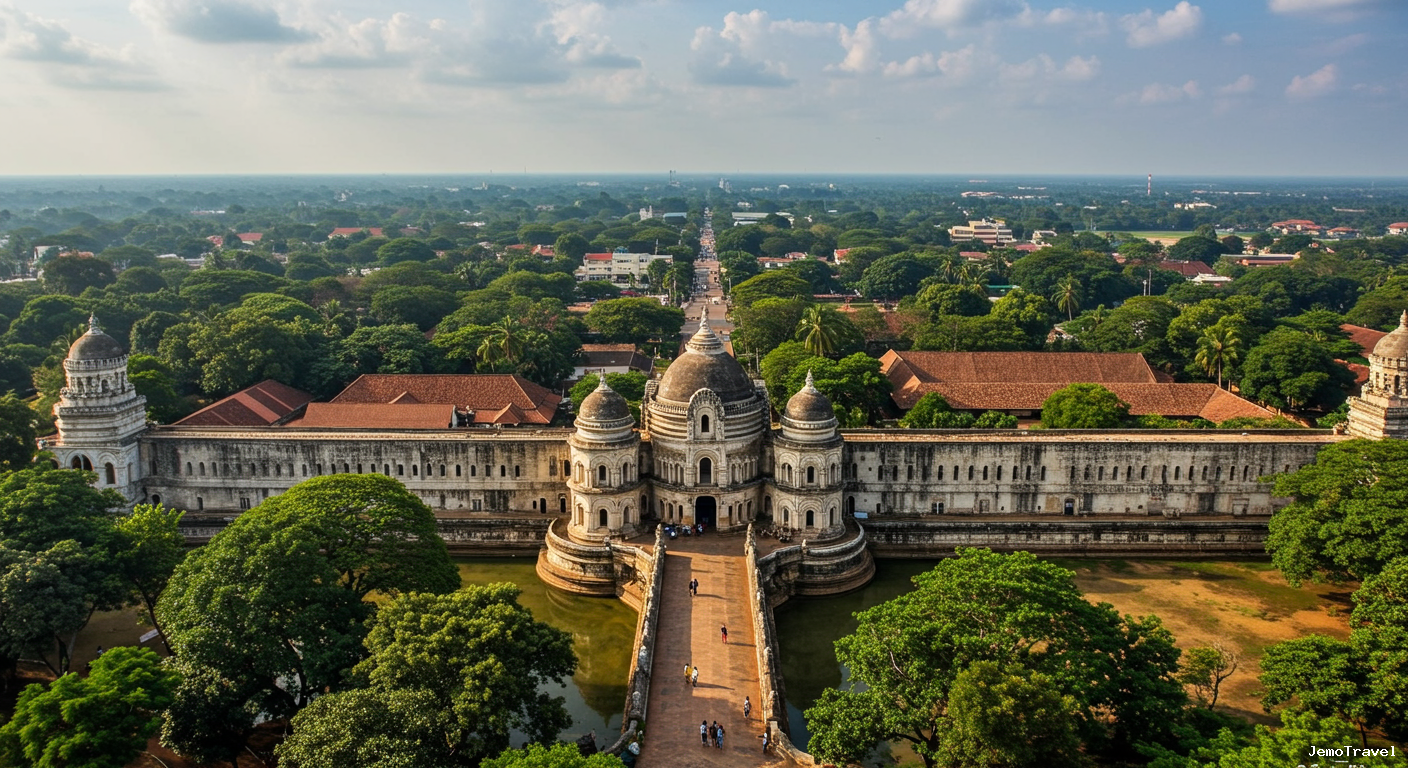
Colombo Unveiled: The Ultimate Guide to Sri Lanka's Capital City
Discover Colombo, Sri Lanka's vibrant capital! Explore its colonial past, bustling markets, and modern marvels. Your ultimate city adventure awaits.
Introduction
Often viewed as merely the gateway to Sri Lanka’s sun-drenched beaches and misty highlands, Colombo is a destination that demands its own spotlight. This sprawling coastal city is a captivating tapestry woven with threads of colonial history, vibrant multiculturalism, and surging modernity. Here, the echoes of Portuguese, Dutch, and British rule resonate in the grand architecture of the Fort district, while just streets away, the kinetic energy of Pettah Market assaults the senses with a kaleidoscope of sights, sounds, and smells. Visitors can expect a dynamic experience where sleek skyscrapers share the skyline with ancient temples and the salty breeze of the Indian Ocean sweeps over the bustling Galle Face Green. Colombo is not just a starting point; it's the beating heart of the island, a city of fascinating contrasts offering a rich, authentic slice of contemporary Sri Lankan life.
History & Background
Colombo's story is intrinsically linked to its strategic position on the ancient East-West sea trade routes. For over 2,000 years, its natural harbour was a familiar port for Roman, Arab, Persian, and Chinese traders seeking the island’s precious spices, particularly cinnamon. The city's modern identity, however, began to form with the arrival of European powers. The Portuguese landed in 1505, immediately recognizing its strategic value. They established a fort and a trading post, fiercely guarding their control over the lucrative cinnamon trade for over a century.
In 1656, the Dutch successfully ousted the Portuguese after a grueling siege. They expanded the fortifications, creating the Colombo Fort area we see today, and developed an intricate system of canals. Many of the stately colonial buildings, including the structure that now houses the Dutch Hospital shopping precinct, are remnants of this era. The Dutch reign, however, was also finite. The British captured the city in 1796 without a fight and, in 1815, declared Colombo the capital of their Crown Colony of Ceylon.
Under British rule, Colombo flourished as a major administrative and commercial hub. They developed the harbour, built the railway network, and established the grand civic buildings and residential quarters that still define parts of the city. Though the administrative capital was officially moved to nearby Sri Jayawardenepura Kotte in 1982, Colombo proudly remains Sri Lanka’s commercial and judicial capital—a living museum of its layered and fascinating past.
What to See and Do
Colombo offers a wealth of attractions that cater to every type of traveler. A must-visit is the Gangaramaya Temple, one of the most important Buddhist temples in the country. It’s a fascinating complex that blends Sri Lankan, Thai, Indian, and Chinese architectural styles. Beyond its spiritual significance, the temple houses a museum with an eclectic and immense collection of artifacts, from vintage cars to ancient manuscripts and countless Buddha statues gifted from around the world. Nearby, the serene Seema Malaka meditation center, designed by famed architect Geoffrey Bawa, appears to float on the waters of Beira Lake.
For a taste of local life, head to Galle Face Green at sunset. This five-hectare ocean-side urban park is where Colombo’s residents come to unwind. Join them for a stroll along the promenade, fly a kite in the strong sea breeze, or sample classic street food like 'isso vadei' (spicy lentil and shrimp cakes) from the numerous vendors. It’s the perfect spot to watch the sun dip below the horizon of the Indian Ocean.
No visit is complete without diving into the organized chaos of the Pettah Market. This bustling bazaar is a sensory overload, with narrow streets dedicated to specific goods, from textiles and electronics to spices and fresh produce. A key landmark here is the striking red-and-white striped Jami Ul-Alfar Mosque, a stunning piece of Indo-Saracenic architecture that stands out amidst the market's hustle. Finally, explore the Colombo Fort area, where you can admire the Old Parliament Building, the historic clock tower, and the beautifully restored Dutch Hospital, now a chic precinct with upscale restaurants, cafes, and boutiques.
Best Time to Visit
Colombo experiences a tropical climate, meaning it's warm and humid year-round with average temperatures hovering between 27°C and 31°C (81-88°F). However, the city is affected by two monsoon seasons, which are the primary consideration when planning your visit. The main southwest 'Yala' monsoon brings the heaviest rainfall from April to June, while the northeast 'Maha' monsoon brings lighter, but still significant, rain from October to January.
For the most pleasant weather, the best time to visit Colombo is during its two dry seasons: from January to March and from July to September. The period from January to March is particularly ideal, offering plenty of sunshine, lower humidity, and minimal rainfall, making it perfect for sightseeing and exploring the city on foot. This is considered the peak tourist season, so booking accommodation and tours in advance is wise. Even if you visit during the shoulder months, rain showers are often short and intense, rarely disrupting an entire day's plans.
How to Get There
As Sri Lanka's primary international gateway, Colombo is easily accessible. The main point of entry is Bandaranaike International Airport (CMB), located in Katunayake, approximately 35 kilometers north of the city center. The airport is well-connected with direct flights from major hubs across Asia, Europe, and the Middle East. Upon arrival, you have several options for reaching the city. Official airport taxis are readily available from counters within the arrivals hall and offer a fixed price; the journey typically takes 45 to 60 minutes, depending heavily on traffic.
For a more budget-friendly option, ride-hailing apps like Uber and PickMe are extremely popular and can be significantly cheaper than standard taxis. Alternatively, the Colombo Express Bus (Route 187) provides a cost-effective service connecting the airport directly to the central bus station in Pettah. Once in Colombo, you'll find the city is the central node for the nation's transport network. The Colombo Fort Railway Station and the adjacent Central Bus Stand are the main hubs for onward travel to almost any other part of the island, making it a convenient base for your Sri Lankan adventure.
Travel Tips & Recommendations
To navigate Colombo like a local, embrace the tuk-tuk for short journeys. Always insist on using the meter or, for unmetered ones, agree on a firm price before you start your ride. For more transparent pricing and comfort, ride-hailing apps like PickMe or Uber are excellent for both tuk-tuks and cars. When it comes to dress, pack lightweight and breathable fabrics like cotton and linen to stay comfortable in the tropical heat. Remember to dress modestly when visiting religious sites like temples and mosques; this means carrying a scarf or shawl to cover your shoulders and ensuring your attire covers your knees.
Sri Lanka's currency is the Sri Lankan Rupee (LKR). While major hotels, upscale restaurants, and department stores widely accept credit cards, it is essential to carry a good supply of cash. Cash is king for paying for tuk-tuks, shopping at local markets like Pettah, and buying delicious street food from vendors at Galle Face Green. ATMs are widely available throughout the city for easy withdrawals.
Conclusion
Colombo is far more than a transit hub; it is a city of immense character, history, and energy waiting to be explored. From its colonial past to its vibrant present, the Sri Lankan capital offers a rich and rewarding experience for every traveler. Don't just pass through—immerse yourself in the heart of the island. Let JEMO TRIP & TOUR craft your perfect Colombo itinerary. Contact us today to start planning your unforgettable Sri Lankan adventure!
Related Articles
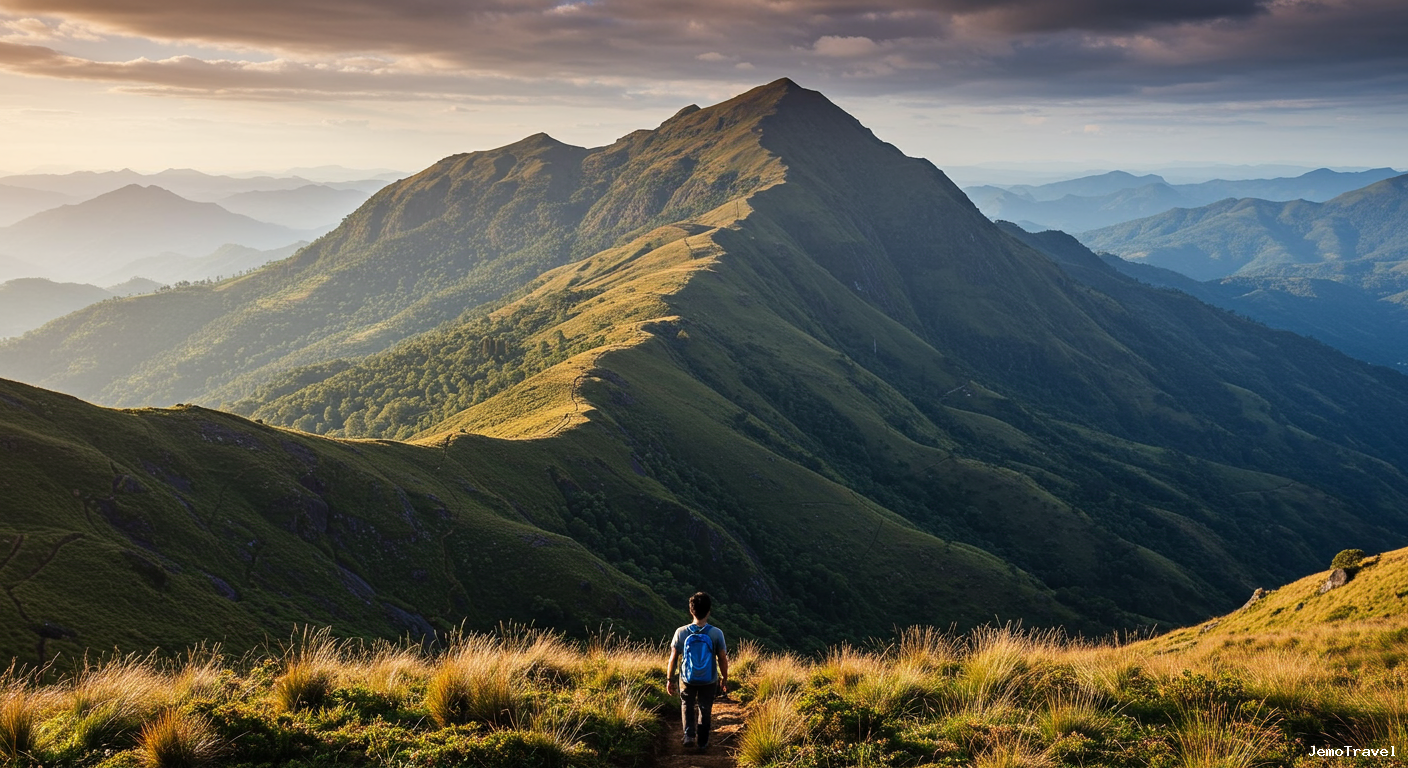
Knuckles Mountain Range Sri Lanka: A Hiker's Ultimate Guide
Explore the UNESCO World Heritage Knuckles Mountain Range in Sri Lanka. This guide covers the best h...
Read More
The Best Time to Visit Sri Lanka: A Complete Seasonal Guide
Planning a trip to Sri Lanka? Our expert guide breaks down the island's dual monsoons, helping you f...
Read More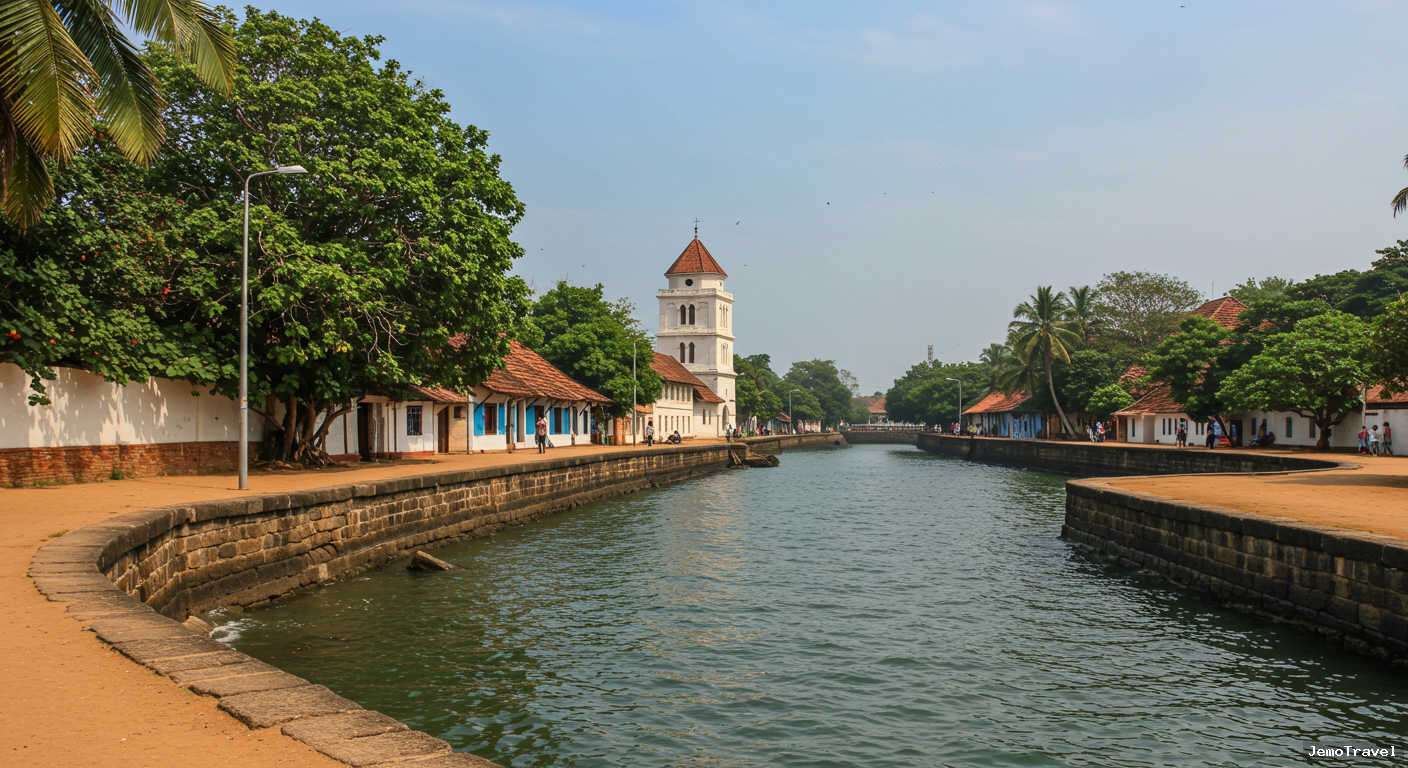
Negombo, Sri Lanka: Your Ultimate Guide to the 'Little Rome' of Asia
Discover Negombo, the vibrant coastal gem of Sri Lanka! Explore its rich colonial history, bustling...
Read More