Kandy Temple of the Tooth: A Spiritual Guide to Sri Lanka's Heart
Discover the spiritual heart of Sri Lanka at the Kandy Temple of the Tooth. Our guide covers its history, what to see, and tips for your visit.
Introduction
Nestled beside the serene Kandy Lake in the verdant hill country of Sri Lanka lies a site of immense spiritual and cultural significance: the Sri Dalada Maligawa, or the Temple of the Sacred Tooth Relic. This is not merely a temple; it is the sacred home of what is believed to be a canine tooth of the Buddha himself, making it one of the most venerated objects for Buddhists worldwide. A visit here is a journey into the soul of Sri Lankan heritage, where ancient rituals unfold daily amidst the sounds of drumming and the fragrance of lotus blossoms. Visitors can expect to be enveloped in an atmosphere of deep reverence, witnessing devotees from all corners of the globe offer their prayers. The temple complex, a magnificent example of Kandyan architecture and a UNESCO World Heritage site, promises an unforgettable experience of history, faith, and breathtaking beauty.
History & Background
The story of the Sacred Tooth Relic is a saga of devotion, royalty, and survival. According to legend, the relic was retrieved from the Buddha's funeral pyre in 543 BC and was smuggled to Sri Lanka from India in the 4th century AD. Princess Hemamali and her husband, Prince Dantha, disguised themselves as ascetics to carry the precious relic, hiding it within the princess's hair. From the moment it arrived on the island, the relic became a symbol of sovereignty; it was believed that whoever held the relic held the divine right to rule the land. Consequently, it was enshrined in magnificent temples in each successive capital, from Anuradhapura to Polonnaruwa and Dambadeniya.
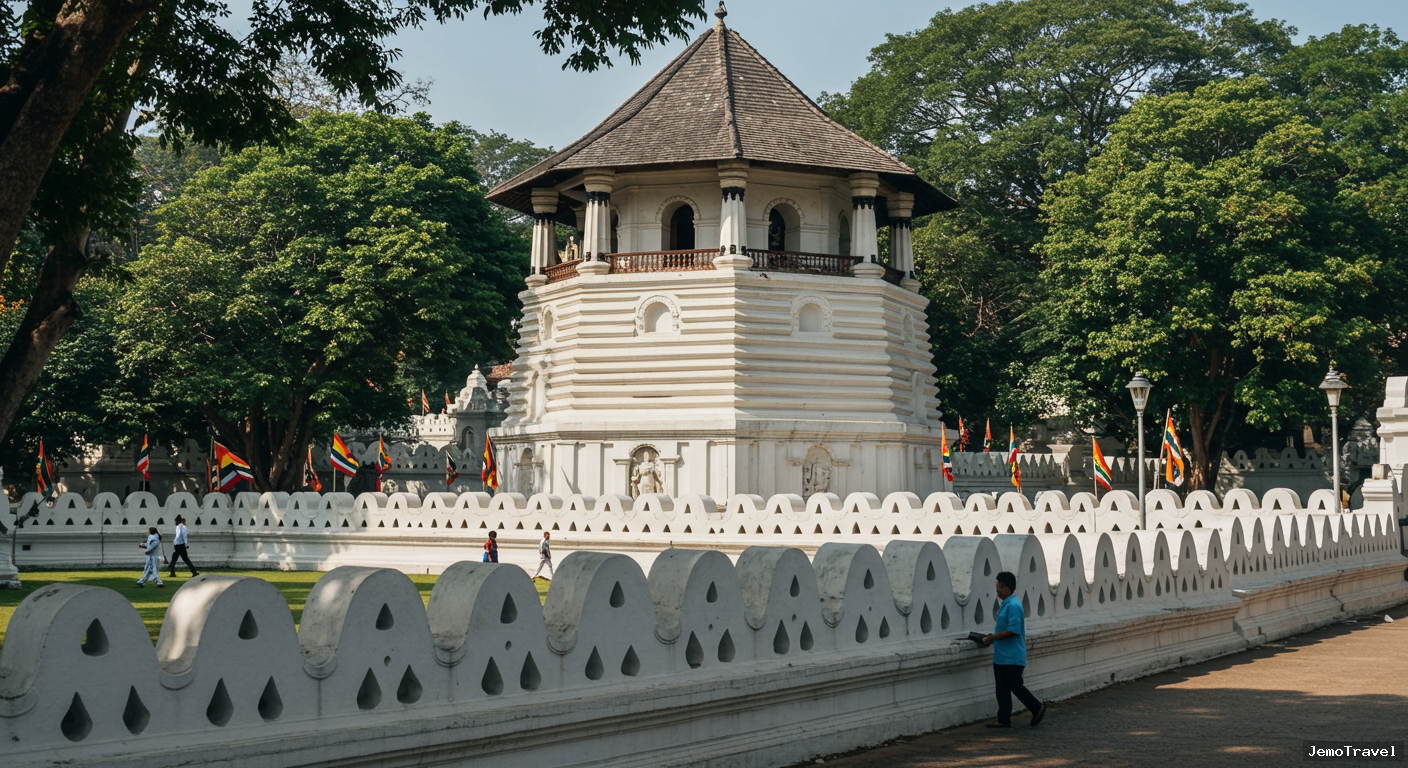
After centuries of being moved to protect it from foreign invaders and internal conflicts, the Sacred Tooth Relic finally found its permanent home in Kandy in 1595 during the reign of King Vimaladharmasuriya I. The current temple complex we see today was largely constructed by kings of the Kandyan Kingdom throughout the 17th and 18th centuries, with each ruler adding to its grandeur. The iconic octagonal pavilion, the Paththirippuwa, was added later by King Sri Vikrama Rajasinha. Due to its profound historical and religious importance, the entire Sacred City of Kandy, including the Temple of the Tooth Relic, was declared a UNESCO World Heritage site in 1988, cementing its status as a global treasure.
What to See and Do
A visit to the Temple of the Tooth is a multi-sensory experience with numerous points of interest within its hallowed walls. The main destination is the upper floor of the inner chamber, the Vedahiti Maligawa, where the Sacred Tooth Relic is kept. While the tooth itself is not visible, it is housed within a stunning golden stupa-shaped casket, which itself contains six smaller caskets of diminishing size. The chamber doors are only opened during the daily puja or offering ceremonies (known as 'Thevava'), held at dawn, midday, and in the evening. This is the most atmospheric time to visit, as the air fills with the rhythmic beat of the hewisi drums and the chants of monks.
Beyond the main shrine, explore the Aluth Maligawa, or the New Shrine Hall. This three-story building, added in the 20th century, features a series of vibrant paintings and displays that narrate the complete history of the Sacred Tooth Relic, from its origins in India to its arrival in Kandy. It also houses numerous statues of Buddha gifted by devotees from around the world. Adjacent to the temple, you will find the Sri Dalada Museum and the World Buddhism Museum, which offer deeper insights into the relic's history and the global spread of Buddhism, displaying a fascinating collection of artifacts, photographs, and documents.
Do not miss the other structures within the royal complex. The King's Audience Hall, or Magul Maduwa, is a magnificent open-air pavilion renowned for its intricately carved wooden pillars, a hallmark of Kandyan architecture. This is where the Kandyan kings held their court. Finally, take a moment to admire the temple's exterior, with its white walls, red roofs, and the tranquil moat, known as the Diyareli Bamma. The octagonal Paththirippuwa, a former royal viewing gallery, adds to the picturesque setting against the backdrop of Kandy Lake.
Best Time to Visit
The best time to visit the Kandy Temple of the Tooth largely depends on what you want to experience. For the most spectacular cultural immersion, plan your visit to coincide with the Kandy Esala Perahera. This grand 10-day festival, typically held in July or August, is one of Asia's most dazzling religious pageants, where a replica of the sacred casket is paraded through the streets on a majestic tusker, accompanied by hundreds of dancers, drummers, and elaborately decorated elephants. It's a truly unforgettable sight, but be sure to book accommodation and viewing spots well in advance.
For general sightseeing and more pleasant weather, the period from December to April is ideal. This is Kandy's driest season, with comfortable temperatures averaging between 20°C and 28°C, perfect for exploring the temple complex and the surrounding city. The shoulder months of May, September, and October can also be good, with fewer crowds, though you should be prepared for occasional rain showers from the inter-monsoon season. The main monsoon seasons, while not prohibitive, bring heavier rainfall, which may impact travel and outdoor activities.
How to Get There
Kandy is centrally located and well-connected, making it easily accessible from Sri Lanka's main international gateway, Colombo. One of the most popular and scenic ways to travel is by train. The Colombo to Kandy train ride is legendary, winding its way through lush green hills, tea plantations, and charming villages. The journey takes approximately 3 to 3.5 hours. It is highly recommended to book your tickets in advance, especially if you want a seat in the first-class observation car for the best views.
For more flexibility and comfort, hiring a private car or van is an excellent option, and it's a seamless part of any itinerary planned with JEMO TRIP & TOUR. The drive from Colombo takes around 3 to 4 hours, depending on traffic, primarily using the Colombo-Kandy highway. This allows you to stop at interesting sights along the way, such as the Pinnawala Elephant Orphanage. Budget-conscious travelers can opt for the intercity express buses, which are frequent and affordable. Both air-conditioned and non-air-conditioned buses are available, offering a direct route to Kandy's main bus terminal.
Travel Tips & Recommendations
To ensure a respectful and enjoyable visit, it is crucial to adhere to the temple's dress code. All visitors must wear modest clothing that covers their shoulders and knees. It is wise to carry a scarf or sarong with you, which can be easily wrapped around if needed, though they are also available for rent near the entrance. You will be required to remove your shoes and hats before entering the main complex. As the stone and sand pathways can get very hot during the day, bringing a pair of socks to wear can make your walk much more comfortable.
Plan your visit to coincide with one of the daily puja ceremonies (held around 5:30 am, 9:30 am, and 6:30 pm) to witness the temple at its most vibrant. Be prepared for security checks at the entrance and try to leave large bags at your hotel. While photography is generally permitted in the outdoor areas and some halls, it is forbidden inside the inner chamber housing the relic. Always be mindful of devotees and maintain a quiet, respectful demeanor throughout the sacred grounds.
Conclusion
The Temple of the Sacred Tooth Relic is more than just a destination; it is the spiritual heartbeat of Sri Lanka. A visit offers a profound connection to the island's rich history, enduring faith, and vibrant culture. From its ancient rituals to its stunning architecture, the Sri Dalada Maligawa is an essential experience for any traveler.
Ready to witness this sacred wonder for yourself? Contact JEMO TRIP & TOUR today to craft your personalized Sri Lankan adventure and let us handle all the details.
Related Articles
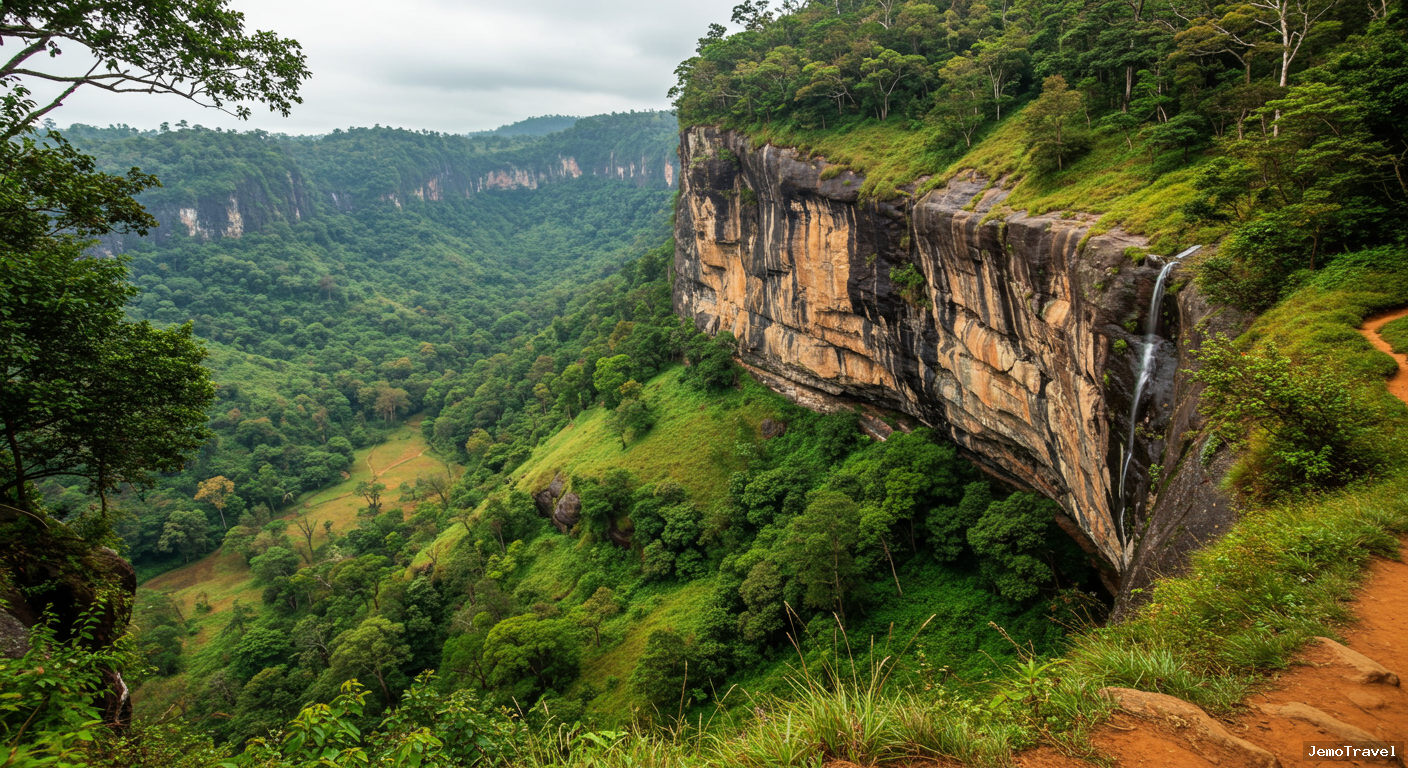
Belihul Oya: Sri Lanka's Hidden Eco-Adventure Paradise
Discover Belihul Oya, a breathtaking destination where Sri Lanka's wet and dry zones meet. Explore l...
Read More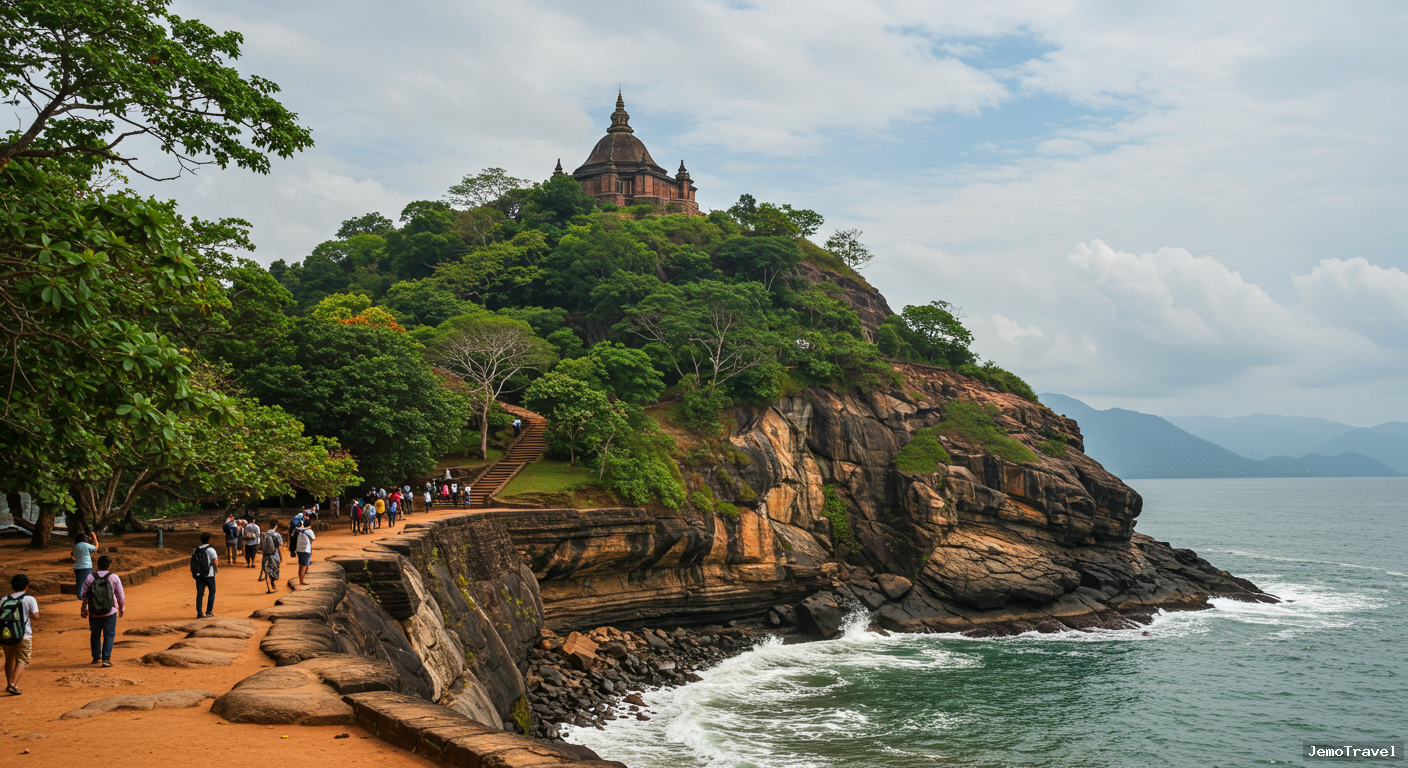
Top Must-Visit Places in Sri Lanka: An Ultimate Travel Guide
Discover the top must-visit places in Sri Lanka, from the ancient rock fortress of Sigiriya to the c...
Read More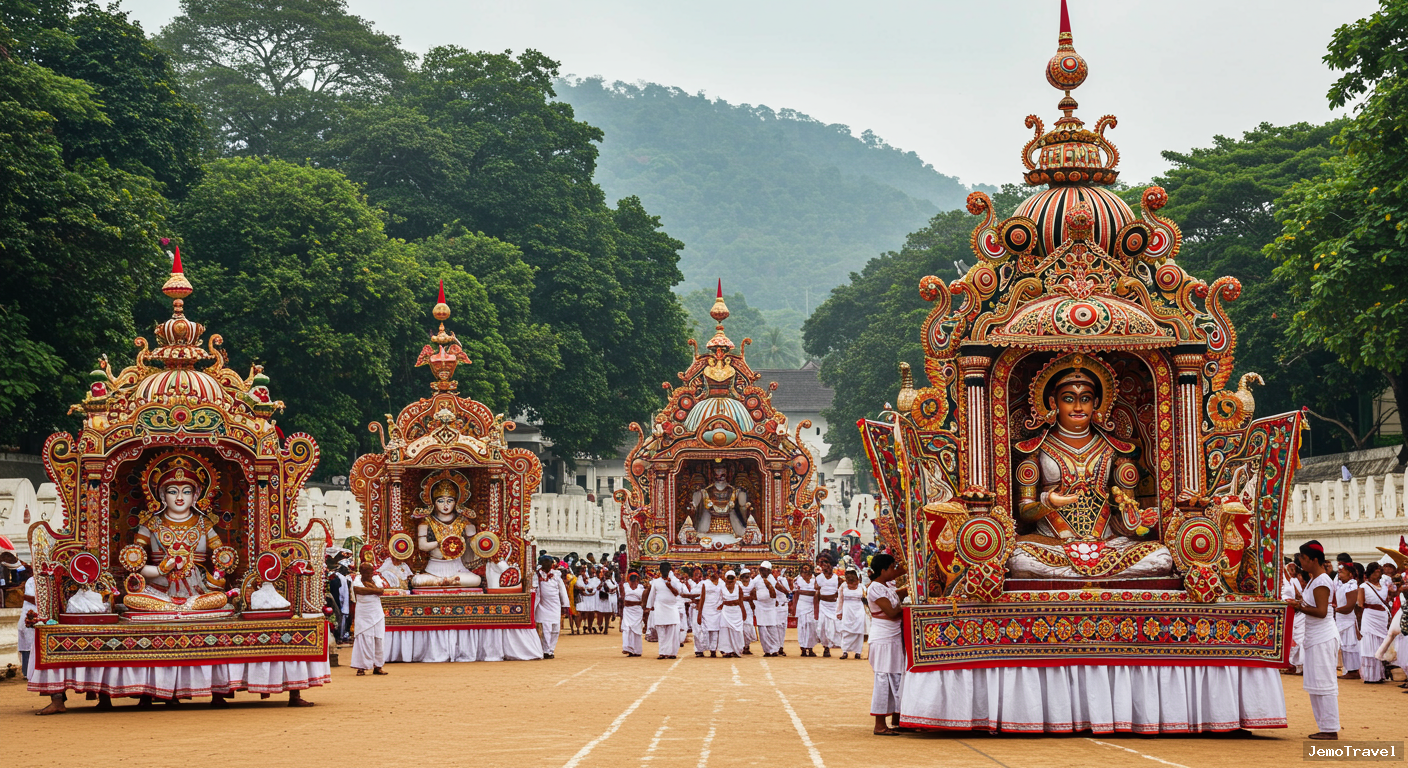
Kandy Esala Perahera: A Guide to Sri Lanka's Grandest Festival
Experience the magic of the Kandy Esala Perahera, Sri Lanka's most sacred festival. Discover dazzlin...
Read More