
Sigiriya Lion Rock: A Guide to Sri Lanka's Ancient Fortress
Discover the awe-inspiring Sigiriya Lion Rock, a UNESCO World Heritage site in Sri Lanka. Climb the ancient fortress for incredible views and marvel at its history.
Introduction
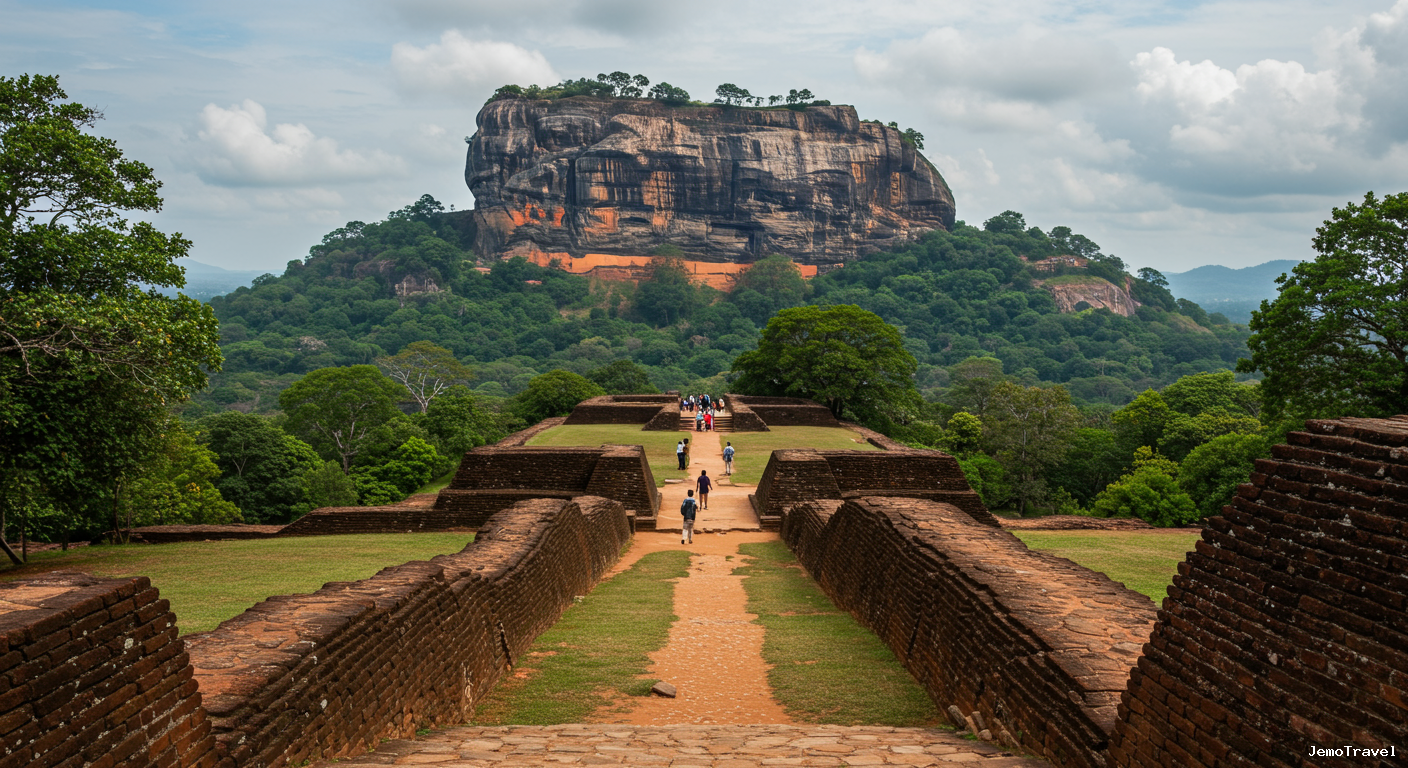
Rising dramatically from the central plains of Sri Lanka, a colossal pillar of rock stands as a testament to ancient ambition and artistry. This is Sigiriya, the legendary ‘Lion Rock.’ More than just a geological marvel, Sigiriya is a magnificent fortress, a ruined palace, and an urban planning masterpiece that has captivated travelers for centuries. Designated a UNESCO World Heritage site in 1982, this ancient citadel, soaring nearly 200 meters (660 feet) high, was the epicentre of a short-lived but glorious kingdom. Visitors who undertake the famous climb are rewarded not only with breathtaking 360-degree panoramic views of the lush landscape but also with an intimate look at sophisticated gardens, world-renowned frescoes, and the poignant ruins of a sky palace. A visit to Sigiriya is an unforgettable journey back to the 5th century, offering a profound glimpse into Sri Lanka’s rich and dramatic history.
History & Background
The story of Sigiriya is a dramatic saga of power, betrayal, and architectural genius centered around King Kashyapa I, who reigned from 477 to 495 AD. After seizing the throne by entombing his father, King Dhatusena, alive, Kashyapa lived in fear of reprisal from his half-brother and rightful heir, Moggallana, who had fled to South India to amass an army. To create an impenetrable stronghold, Kashyapa abandoned the traditional capital of Anuradhapura and moved his court to Sigiriya. He transformed the imposing rock into a fortified palace complex, complete with elaborate gardens, reservoirs, and defensive structures, envisioning it as a mythical city of the gods.
His magnificent sky palace was built atop the flat summit, while the mid-level terrace featured a monumental gate in the form of a colossal lion, of which only the giant paws remain today. It is from this feature that the rock derives its name, Sihagiri or Lion Rock. The western face of the rock was adorned with hundreds of vibrant frescoes, depicting celestial maidens or ‘Apsaras.’
Kashyapa's reign, however, was fleeting. In 495 AD, Moggallana returned with his army, and Kashyapa descended from his fortress to meet him in battle on the plains below. Defeated, Kashyapa took his own life. Following his death, Sigiriya was converted into a Buddhist monastery and was used as such until it was abandoned in the 14th century. It remained largely forgotten by the outside world until it was brought to the attention of British archaeologists and antiquarians in the 19th century, leading to its eventual recognition as a site of global importance.
What to See and Do
A tour of Sigiriya is an ascent through layers of history and nature. Your journey begins at the base, amidst the symmetrical and sophisticated Water Gardens. These ancient pleasure gardens, featuring fountains, ponds, and channels, are some of the oldest landscaped gardens in the world and showcase the advanced hydraulic engineering of the era. As you proceed, you will pass through the Boulder Gardens, where natural rock formations are cleverly integrated with man-made pavilions and pathways.
The main event is the climb itself, which consists of approximately 1,200 steps. Partway up the rock face, you will encounter the famous Mirror Wall. This wall was once polished so finely that the king could see his reflection. Today, it is covered in ancient inscriptions and poems, known as the 'Sigiri graffiti,' left by visitors between the 6th and 14th centuries. Just beyond, a sheltered spiral staircase leads to a gallery of the Sigiriya Frescoes. These world-famous paintings depict beautiful, ethereal women, believed to be either celestial nymphs (Apsaras) or portraits of Kashyapa's concubines. Though originally numbering around 500, only about 21 frescoes survive today.
Further up, you reach the Lion Platform, a large terrace where the monumental gateway to the palace once stood. Here, you will find the gigantic carved lion's paws that are the last remnants of the original entrance. The final, steep ascent takes you to the summit. At the top, you can explore the 1.5-hectare area of palace ruins, including foundations, cisterns carved from solid rock, and the king's throne. The real prize, however, is the absolutely stunning 360-degree view of the surrounding jungle, lakes, and distant mountains, offering a true sense of the kingdom Kashyapa ruled.
Best Time to Visit
To make the most of your visit to Sigiriya, timing is key. Sri Lanka’s central region experiences two main dry seasons, making January to April and July to September the most ideal periods for a visit. During these months, you can expect clearer skies, less rainfall, and more comfortable conditions for climbing the rock and exploring the extensive gardens. Temperatures remain consistently warm year-round, typically hovering between 25°C and 32°C (77°F to 90°F), but the humidity is lower during the dry seasons.
Beyond the time of year, consider the time of day for your climb. To avoid the intense midday heat and the largest crowds, it is highly recommended to start your ascent either early in the morning, right when the site opens at 7:00 AM, or in the late afternoon, around 3:00 PM. An early morning climb offers cooler temperatures and soft, beautiful light for photography. A late afternoon climb allows you to witness a spectacular sunset from the summit, casting a golden glow over the entire landscape—a truly magical experience.
How to Get There
Sigiriya is conveniently located in the heart of Sri Lanka's Cultural Triangle, approximately 170 kilometers (about 105 miles) northeast of the capital, Colombo. The most comfortable and efficient way to travel is by hiring a private car or van with a driver, a service JEMO TRIP & TOUR can arrange. This journey typically takes around 4 to 5 hours and allows for flexibility and stops along the way.
For those seeking a more budget-friendly option, public transportation is available. You can take a direct intercity bus from Colombo to Dambulla, a major town just 30 minutes away from Sigiriya. From Dambulla, a short bus ride or a tuk-tuk will take you directly to the entrance of the rock fortress. Alternatively, you can take a train from Colombo Fort to Habarana, the nearest railway station. The train ride is scenic but can be slower. From Habarana, it’s a 20-minute tuk-tuk ride to Sigiriya. These options are more economical but require more time and planning.
Travel Tips & Recommendations
To ensure a comfortable and enjoyable climb, preparation is essential. Wear lightweight, breathable clothing and, most importantly, sturdy and comfortable walking shoes or trainers, as the climb involves many steps, some of which are steep and uneven. The Sri Lankan sun can be intense, so bring a hat, sunglasses, and apply high-SPF sunscreen. Carrying at least one liter of water per person is crucial to stay hydrated throughout the ascent and descent. While the climb is manageable for anyone with a reasonable level of fitness, take your time and rest at the various platforms along the way.
Be a respectful visitor to this ancient site. The Sigiriya Frescoes are delicate works of art; photography of them is strictly prohibited to prevent damage from flash. Do not touch the Mirror Wall or add any new graffiti. Also, be aware that there are wasp nests on the rock face. Signs will warn you of their presence. If you encounter wasps, it is best to remain quiet and move along calmly to avoid disturbing them. By following these simple guidelines, you help preserve this world treasure for future generations.
Conclusion
Sigiriya is more than a destination; it is an epic tale etched in stone, a marvel of ancient engineering, and one of Sri Lanka’s most iconic landmarks. The challenging climb rewards every visitor with unparalleled views and a deep connection to the island's vibrant past. Don't just read about this wonder of the ancient world. Let JEMO TRIP & TOUR craft your perfect journey to the Lion Rock for a seamless and unforgettable adventure in the heart of Sri Lanka.
Related Articles
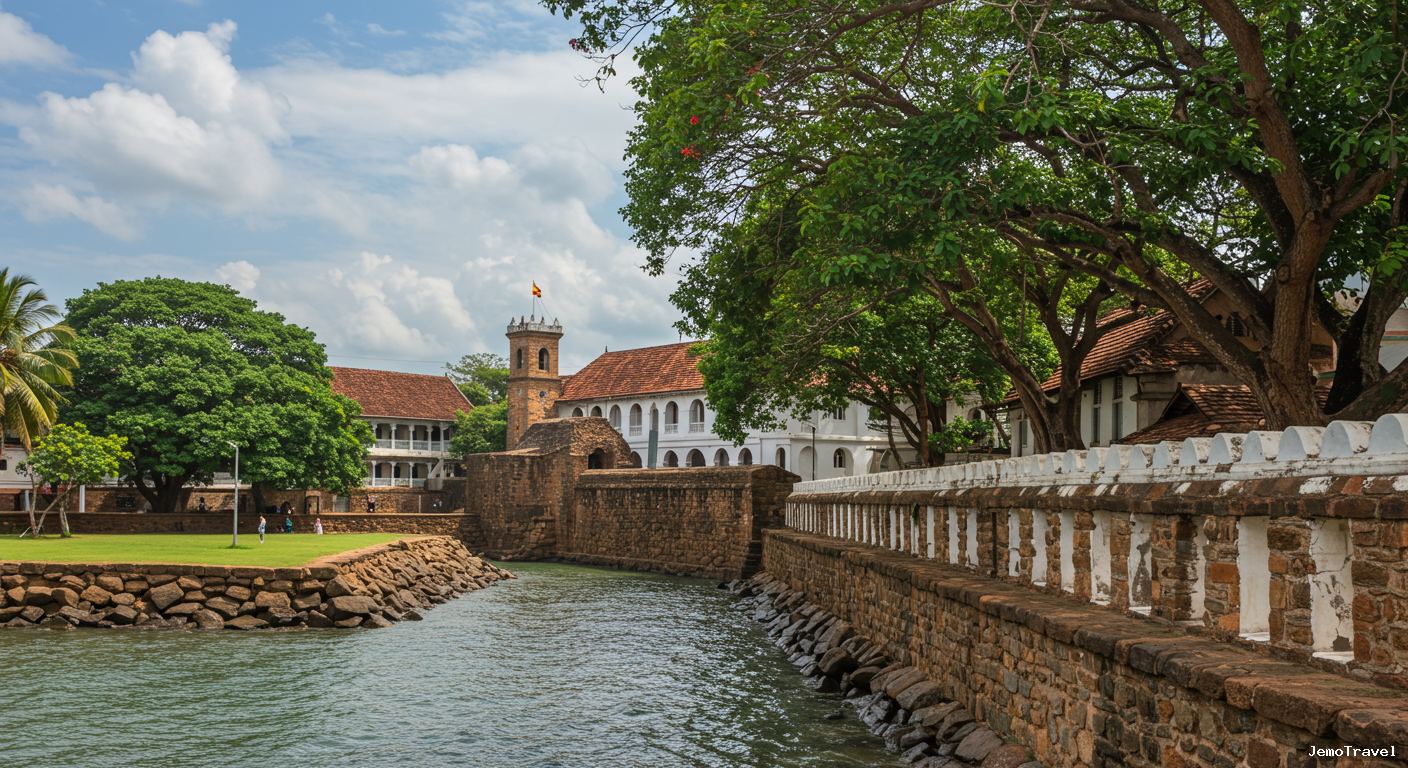
Galle, Sri Lanka: A Timeless Journey Through a Colonial Masterpiece
Discover the UNESCO World Heritage site of Galle Fort in Sri Lanka. Explore its cobblestone streets,...
Read More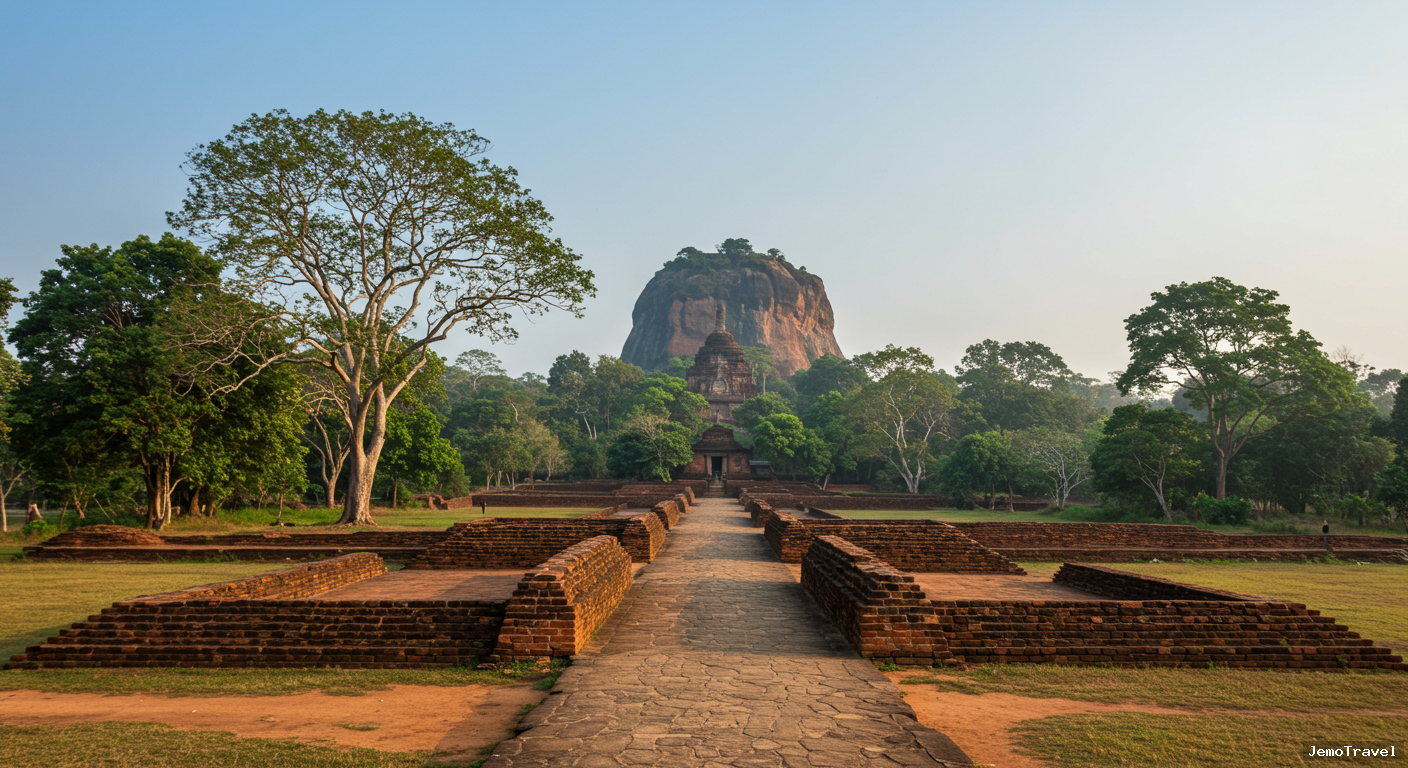
Udawalawe National Park, Sri Lanka: An Elephant Lover's Guide
Discover Sri Lanka's gentle giants at Udawalawe National Park. Our expert guide details the best eth...
Read More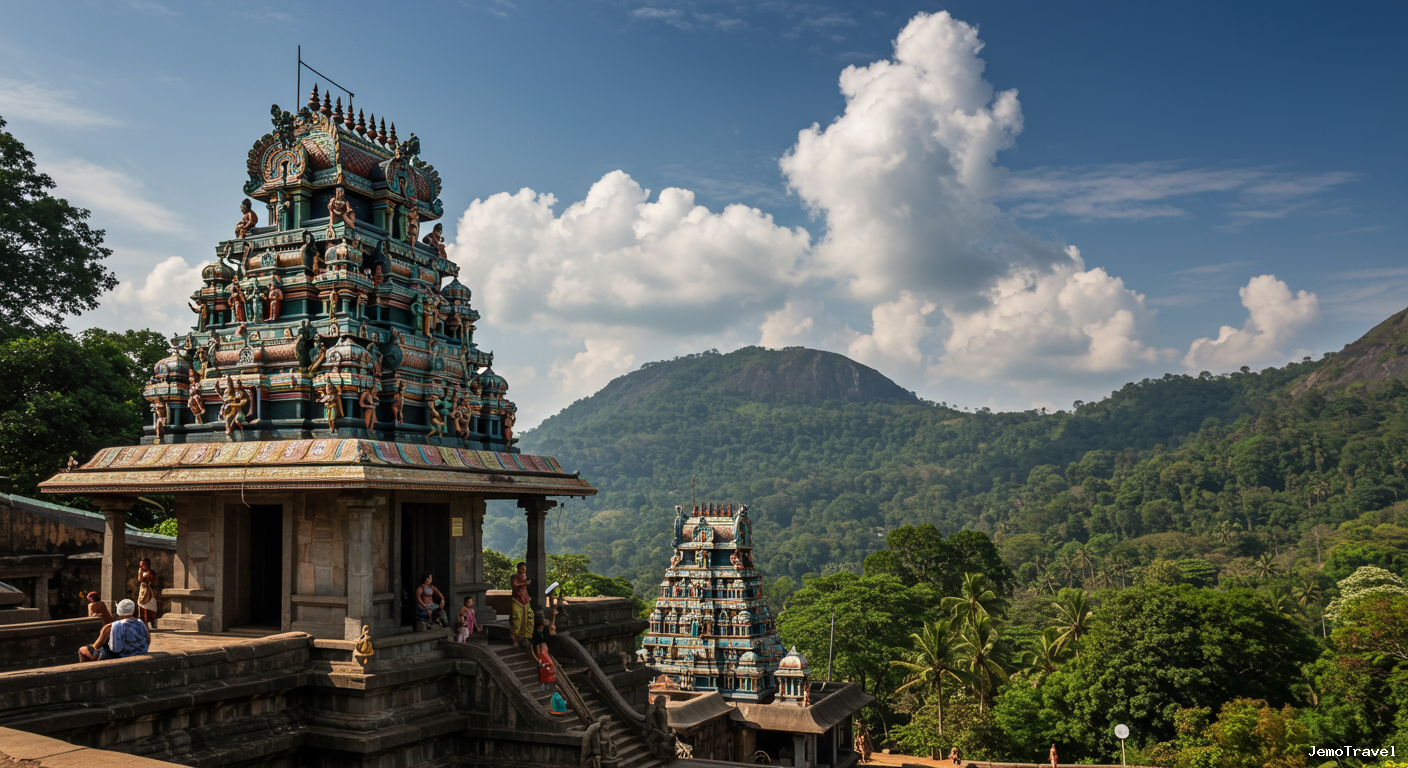
Seetha Amman Kovil: A Divine Ramayana Legend in Sri Lanka's Hills
Explore the Seetha Amman Kovil in Nuwara Eliya, a sacred site from the Ramayana epic. Discover where...
Read More