Sri Lanka's Endless Wave: A Seasonal Guide to Surfing
Discover Sri Lanka's unique dual coastline for year-round surfing. Our seasonal guide reveals the best spots on the South and East coasts, from Weligama to Arugam Bay.
Introduction: The Island of Two Summers
Imagine a surfing destination where the season never truly ends. A place where, when the waves flatten on one coast, a world-class break is just beginning to fire on the other. This isn't a surfer's daydream; it's the reality of surfing in Sri Lanka. Thanks to its unique position between two opposing monsoon systems, this island nation offers a continuous, year-round surfing journey. Forget packing away your board for half the year. In Sri Lanka, the only question is: which coast is calling?
As experts in crafting bespoke Sri Lankan adventures, we at JEMO TRIP & TOUR know that timing is everything. This is especially true for surfing. Choosing the right spot at the right time of year is the difference between a frustrating paddle and the wave of a lifetime. This guide is your key to unlocking Sri Lanka’s endless wave, a tale of two coasts that ensures you’re always in the right place.
The Monsoon Dance: A Tale of Two Coasts
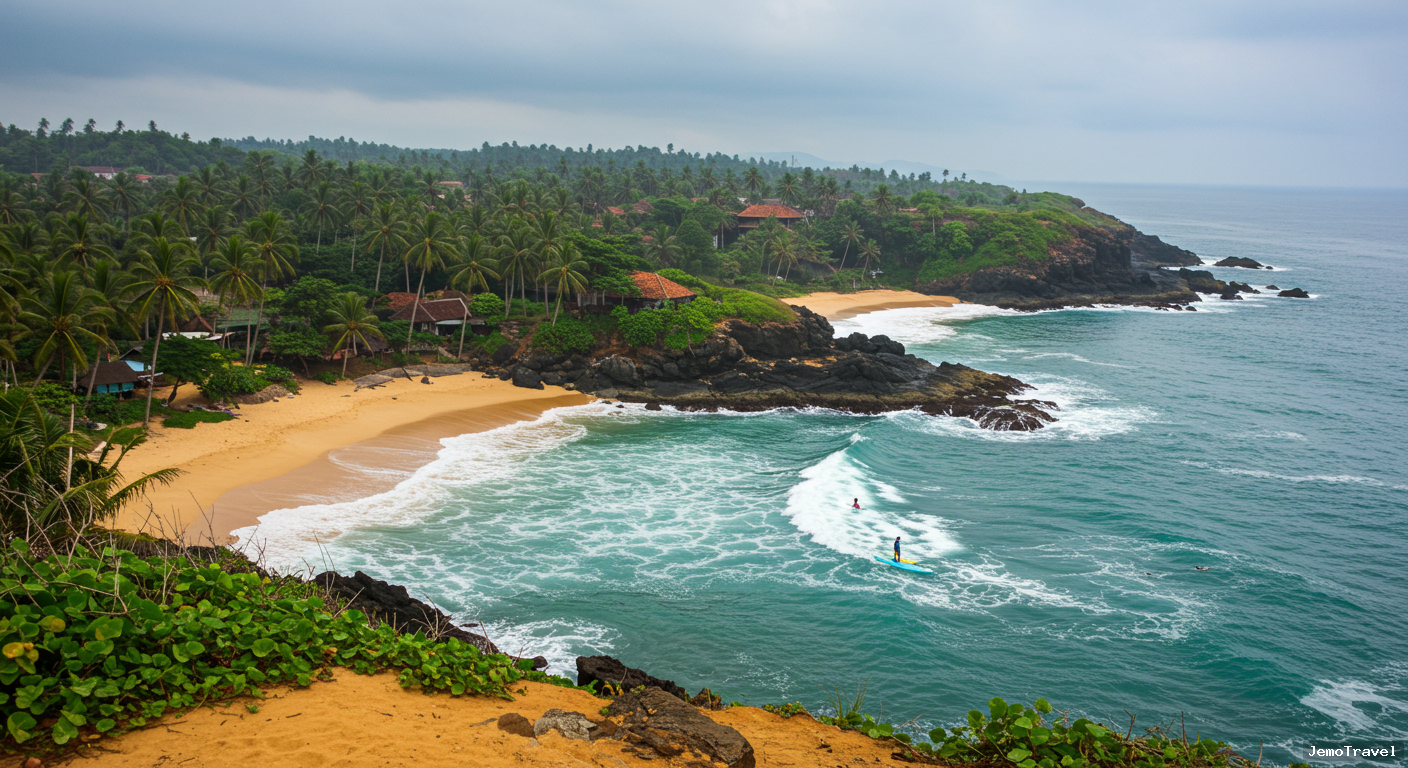
Sri Lanka's climate is governed by two monsoons that hit opposite sides of the island at different times of the year. This weather phenomenon is the secret to its year-round surfability. The Southwest monsoon, from May to October, brings rain and onshore winds to the south, making the waves choppy and messy. Simultaneously, it creates perfect, clean conditions with offshore winds on the East Coast.
Conversely, from November to April, the Northeast monsoon affects the East Coast, while the South Coast enjoys dry, sunny weather and pristine offshore winds that groom the Indian Ocean swells into perfect lines. This beautiful natural rhythm means that no matter when you book your trip, epic waves are waiting for you.
South Coast Season: November to April
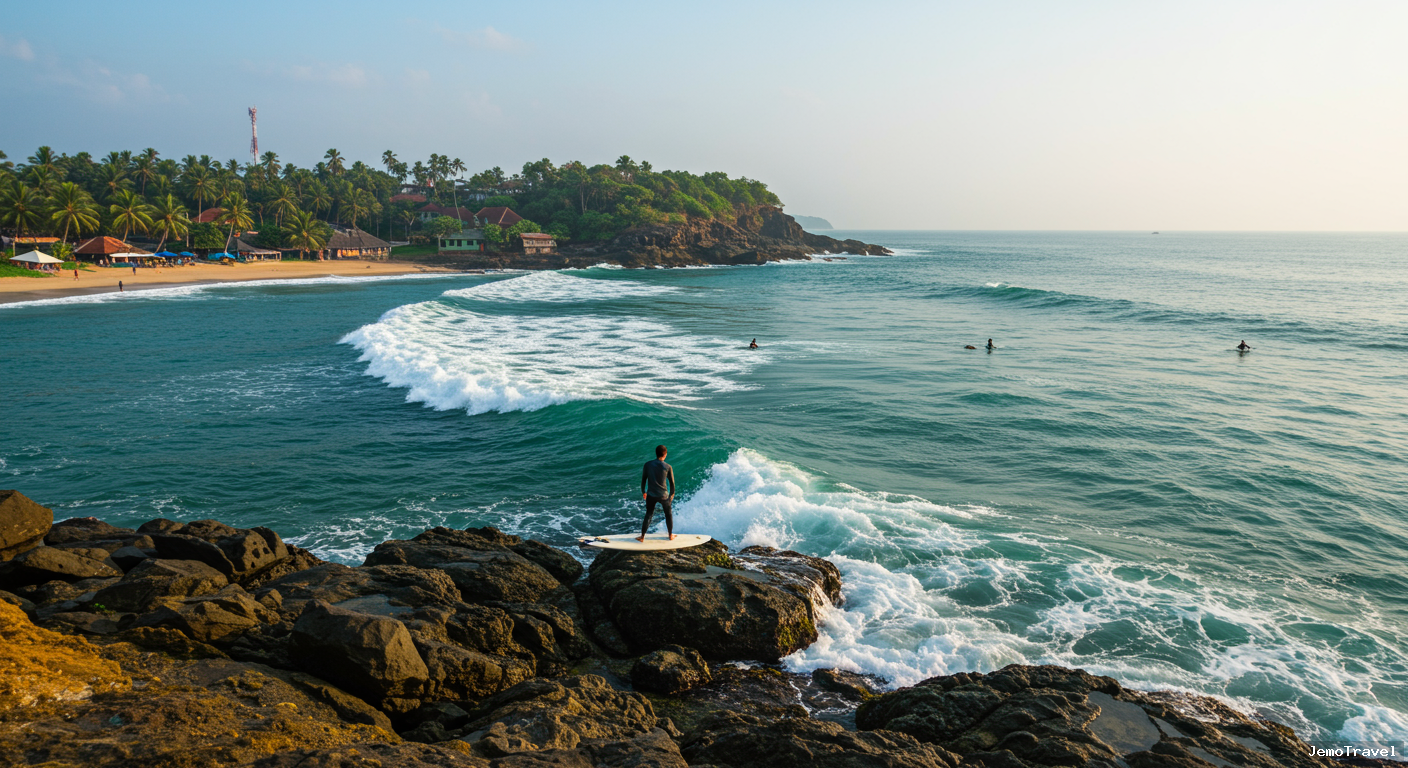
When winter arrives in the northern hemisphere, Sri Lanka's South Coast awakens. This is the island’s primary surf season, a 60-kilometre corridor of wave-rich coastline buzzing with energy. From sheltered beginner bays to powerful reef breaks, the south has it all.
What to See and Do:
- Weligama: The Beginner's Paradise: Weligama, meaning "sandy village," is the undisputed best place to learn to surf in Sri Lanka. Its two-kilometer sandy-bottom bay offers gentle, rolling waves perfect for finding your feet.The beach is lined with surf schools, and the vibe is encouraging and fun. A 1.5-hour lesson typically costs between $15-$30.
- Midigama & Ahangama: The Intermediate Playground: A short tuk-tuk ride away, these neighboring towns are the next step up. They host a collection of accessible reef breaks like the long, peeling 'Lazy Left' and the aptly named 'Lazy Right', perfect for intermediates looking to progress their turning skills. For more advanced surfers, 'Rams Right' in Midigama offers a short, powerful, and often hollow wave.
- Hikkaduwa: The Original Surf Hub: One of the first spots to attract international surfers, Hikkaduwa has a more developed and lively atmosphere. It offers more powerful reef breaks, such as the consistent A-frame in front of the main beach, that work best with a southwest swell and northeast offshore winds. With its vibrant nightlife and abundance of cafes, it's a great choice for those who want to socialize after a long day in the water.
East Coast Season: May to October
As the monsoon shifts, the surf community packs up and heads east. The vibe here is more rustic and laid-back, centered around a single, legendary destination: Arugam Bay. The area comes alive from May to September, drawing surfers from around the globe to its world-class right-hand point breaks.
What to See and Do:
- Arugam Bay - Main Point: The crown jewel of the East Coast. A powerful, sand-bottomed point break that delivers incredibly long rides of up to 500 meters, Main Point is an advanced surfer’s dream. Its international reputation means it can get crowded, but the quality of the wave is undeniable.
- Whiskey Point & Pottuvil Point: Just a short tuk-tuk journey north of Arugam Bay, these spots offer a more mellow experience. Whiskey Point is fantastic for intermediates and longboarders with its fun, peeling right-handers and chill beachfront atmosphere.
- Peanut Farm & Elephant Rock: To the south, these scenic spots provide excellent options for all skill levels. Peanut Farm has two breaks: a forgiving inside wave for beginners and a more challenging outside wave for intermediates.Elephant Rock is one of the most picturesque spots, offering gentle waves perfect for learners against a stunning backdrop.
How to Get There
Your Sri Lankan surf adventure begins at Bandaranaike International Airport (CMB) near Colombo. From there, your onward journey depends on the season and your chosen coast.
- To the South Coast (Weligama, Midigama): The most scenic and affordable option is the coastal train line from Colombo Fort to Weligama, a beautiful journey of 3-4 hours. Alternatively, a private vehicle arranged by JEMO TRIP & TOUR offers comfort and convenience, taking about 2.5 hours via the Southern Expressway.
- To the East Coast (Arugam Bay): Arugam Bay is more remote. The most common method is a private taxi, which is a 6-8 hour drive. Public buses run from Colombo but can be a long and crowded journey, often requiring a change in a town like Monaragala.
Tips & Recommendations
- Board Rental: Unless you are a pro attached to your specific board, renting is a convenient option. Most major surf spots have a wide selection. Daily rentals cost around $5-$15. High-performance rentals are also available in some areas.
- What to Bring: The water is warm year-round (27-29°C), so a wetsuit is unnecessary. Essential items include a high-SPF, reef-safe sunscreen, a rash guard for sun protection, tropical surf wax, a hat, and a small first-aid kit for minor reef scrapes.
- Surf Culture & Etiquette: Sri Lankan surf culture is incredibly welcoming, with a friendly mix of locals and travelling surfers. Always respect the lineup hierarchy, don’t drop in on other surfers, and share a smile. Early morning sessions (6:30-9am) usually offer the best conditions and smaller crowds.
- Beyond the Surf: When your arms feel like noodles, there's plenty more to explore. On the South Coast, visit the historic Galle Fort or go on a leopard safari in Yala National Park. Near Arugam Bay, you can explore Kumana National Park, known for its birdlife and occasional elephants.
Conclusion: Your Perfect Wave Awaits
Sri Lanka is a surfer’s paradise in the truest sense. It's a land of contrast and constant discovery, offering an endless summer of waves that cater to every style and skill level. Whether you’re a complete novice taking your first tentative pushes in Weligama's gentle surf or an experienced rider carving up the legendary point breaks of Arugam Bay, this island has a wave with your name on it.
The magic lies in its rhythm, the biannual shift that breathes life from one coast to the other. Planning your trip around this natural dance is the key to an unforgettable experience.
Ready to catch your perfect wave? Don't leave your adventure to chance. Contact JEMO TRIP & TOUR today, and let our local expertise guide you. We'll handle the logistics, from airport transfers to finding the perfect accommodation near the best breaks, so all you have to worry about is the surf forecast.
Related Articles
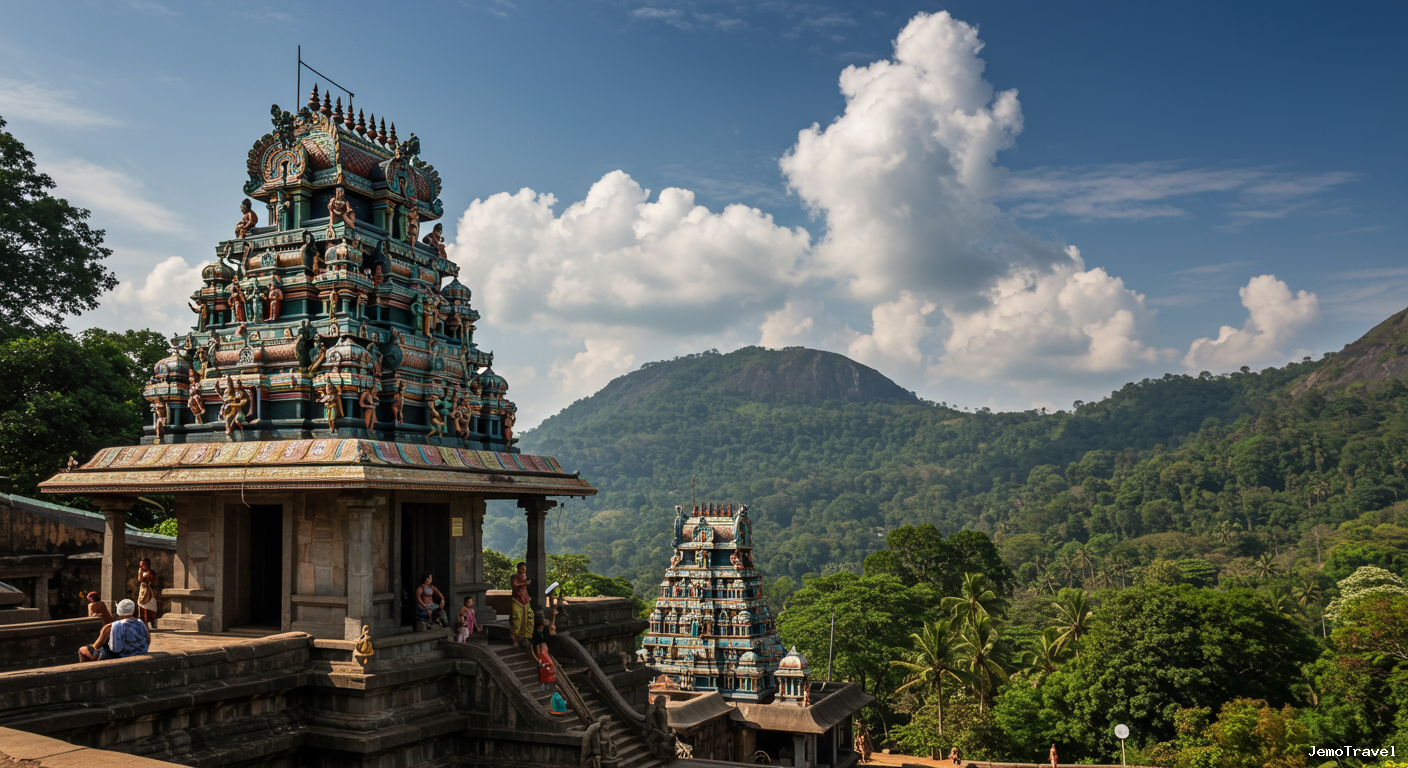
Seetha Amman Kovil: A Divine Ramayana Legend in Sri Lanka's Hills
Explore the Seetha Amman Kovil in Nuwara Eliya, a sacred site from the Ramayana epic. Discover where...
Read More
A Journey Through Time: The Rich History of Sri Lanka
Explore Sri Lanka's epic past, from ancient kingdoms and sacred relics to colonial forts. Uncover th...
Read More
Tangalle Beach Sri Lanka: The Ultimate Guide to a Coastal Paradise
Discover Tangalle Beach, Sri Lanka's serene coastal jewel. This guide covers pristine bays, turtle w...
Read More