
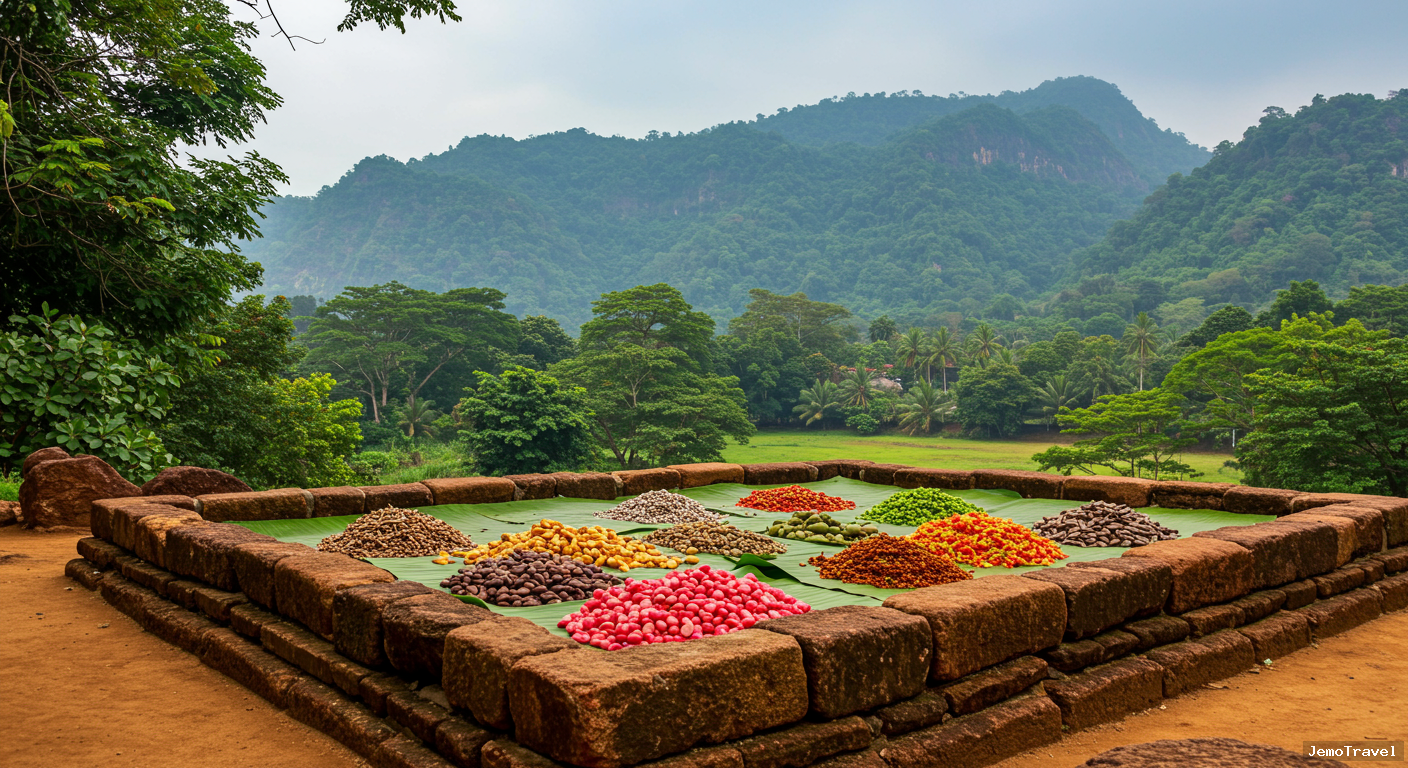
Taste of Paradise: A Guide to Authentic Sri Lankan Foods
Embark on a culinary journey through Sri Lanka! Discover iconic dishes like rice and curry, kottu roti, and hoppers, and explore the rich history behind the island's vibrant flavors.
Introduction
A journey to Sri Lanka is an assault on the senses in the most glorious way, and nowhere is this more evident than in its cuisine. Sri Lankan food is a vibrant tapestry of aromatic spices, creamy coconut milk, and an astonishing variety of fresh ingredients. It’s a culinary tradition shaped by centuries of trade, colonization, and rich agricultural heritage. Visitors can expect an adventure for the palate, where the national dish, rice and curry, is not a single meal but a magnificent spread of multiple, distinct dishes. From the fiery kick of a seafood curry and the rhythmic clang of a kottu roti being prepared on a hot griddle to the delicate, bowl-shaped hoppers served at breakfast, the island’s food is an essential and unforgettable part of the travel experience. It’s more than just sustenance; it’s a direct line to the heart of Sri Lankan culture.
History & Background
The story of Sri Lankan cuisine is as complex and layered as its curries. Its foundations lie in ancient history, with rice cultivation dating back to at least 900 BC and the use of indigenous spices and herbs heavily influenced by Ayurvedic principles. The island’s strategic position on maritime trade routes meant it became a melting pot of culinary influences. Arab traders, who arrived as early as the 7th century, introduced new spices and the concept of biryani, which evolved into the local 'buriyani'. The proximity to Southern India led to a significant exchange, particularly evident in the Tamil cuisine of the northern regions, with staples like dosas and idlis becoming commonplace.
The colonial era profoundly reshaped the island's palate. The Portuguese, who arrived in 1505, introduced the chili pepper, which is now an indispensable ingredient, forever changing the spice profile of local curries. They also brought their love for rich cakes, leading to the creation of the iconic Sri Lankan 'love cake'. Following them, the Dutch left their mark with dishes like 'lamprais'—a flavorful parcel of rice and accompaniments baked in a banana leaf—and sweet, crispy snacks like 'kokis'.
The British period, from 1815 to 1948, introduced roast meats, breads, and puddings, though their influence is more prominent in urban and upper-class dining. Finally, the Malay community, brought by the Dutch, contributed beloved dishes such as 'wattalapam', a steamed custard made with coconut milk, jaggery, and spices. This historical fusion is what makes Sri Lankan food a truly unique and dynamic culinary landscape.
What to See and Do
Experiencing Sri Lankan food is an activity in itself, a delicious exploration that takes you from bustling city streets to serene village kitchens. Your culinary tour must begin with the quintessential Rice and Curry. This is not one dish but a personal buffet served on your plate, featuring a mound of rice surrounded by several small curries. Expect a creamy dhal (lentil curry), a fish or meat curry, and a variety of vegetable curries, such as those made from young jackfruit ('polos'), beetroot, or banana blossom. It’s almost always served with a fiery 'pol sambol' (a relish of scraped coconut, chili, and lime) and crispy papadums.
Next, dive into the world of street food by seeking out Kottu Roti. You will likely hear it before you see it—the distinctive, rhythmic clatter of metal blades chopping and mixing godamba roti, vegetables, egg, and your choice of meat on a large flat-top grill. It’s a theatrical, noisy, and utterly delicious experience. While exploring, especially in coastal areas like Galle Face Green in Colombo, be sure to try 'isso vadei' (spicy lentil cakes with prawns) and other deep-fried 'short eats'.
For breakfast or a light dinner, nothing beats Hoppers ('Appa'). These are delicate, bowl-shaped pancakes made from a fermented batter of rice flour and coconut milk, with crispy, lacy edges and a soft, doughy center. An egg hopper, with a perfectly cooked egg steamed in the middle, is a must-try. Another breakfast favorite is string hoppers ('Idiyappam'), which are nests of steamed rice flour noodles, typically served with a mild coconut milk gravy ('kiri hodi') and sambol.
To truly understand the cuisine, venture into regional specialties. The food in Jaffna, in the island's north, is distinct, known for its intensely spicy flavors, use of toasted spices, and legendary seafood dishes like the Jaffna Crab Curry. For a hands-on experience, participate in a cooking class, often hosted in private homes in cultural hubs like Kandy or the tranquil hills of Ella. These classes offer invaluable insight into the techniques and fresh ingredients that define this incredible food culture.
Best Time to Visit
While Sri Lanka is a year-round destination, timing your visit can enhance your culinary journey. The island experiences two monsoon seasons, so the best weather depends on where you go. For exploring the food markets and coastal eateries of the south and west coasts (including Colombo and Galle) and the Hill Country, the ideal time is from December to April. This period offers dry, sunny weather, perfect for comfortable travel and al fresco dining. Conversely, if your foodie trail leads you to the east coast, plan your trip between May and September.
Beyond weather, consider timing your visit with food-related seasons and festivals. The months of May through August are a fruit lover's dream, marking the peak season for succulent mangoes, rambutans, and the infamously pungent durian, which are sold at roadside stalls everywhere. A particularly special time for a culinary visit is during the Sinhala and Tamil New Year (Avurudu) in mid-April. This major cultural festival sees homes across the country preparing an array of traditional sweets and celebratory dishes like 'kavum' (oil cakes) and 'kokis' (crispy rosettes), offering a unique taste of Sri Lankan hospitality and tradition.
How to Get There
Your gateway to the flavors of Sri Lanka is Bandaranaike International Airport (CMB), located near the capital city of Colombo. This airport is well-connected, with numerous airlines offering direct and connecting flights from major international hubs across Asia, Europe, the Middle East, and Australia. Upon arrival, you have several options for navigating the island on your culinary quest.
For maximum flexibility and comfort, hiring a private car and driver through a trusted company like JEMO TRIP & TOUR is the premier choice. This allows you to create a bespoke itinerary, stopping at famed restaurants, hidden local eateries, and roadside fruit stalls at your leisure. For those on a tighter budget or seeking more adventure, Sri Lanka's public transport system is extensive. The scenic train journeys, particularly the iconic route from Kandy to Ella, are a fantastic way to see the country while moving between culinary hotspots. Buses are the most common mode of transport and connect virtually every town and village, offering a truly local experience.
Travel Tips & Recommendations
To make the most of your Sri Lankan food adventure, embrace local customs. Try eating with your right hand, as the locals do; it is believed that mixing the rice and curries with your fingers actually enhances the flavors. Always drink bottled or filtered water, and be mindful when consuming uncooked items like salads. When it comes to street food, your best bet is to choose popular vendors with a high turnover, where the food is cooked fresh to order right in front of you.
Don’t be afraid of the spice, but if you're sensitive, you can request your dish “sarai aduwen” (less spicy). For the most authentic meals, seek out small, family-run eateries known locally as “hotels” or “buth kade” (rice shops), which often serve the best and most affordable rice and curry. A visit to a local produce market, such as the bustling Pettah Market in Colombo or a smaller town market, is an essential experience to witness the incredible diversity of vegetables, fruits, and spices that form the backbone of this amazing cuisine.
Conclusion
Sri Lankan cuisine is not merely a part of the travel experience; it is a destination in itself. Its rich history, bold spices, and incredible diversity offer a culinary journey that is vibrant, surprising, and deeply satisfying. From the simplest sambol to the most complex curry, every dish tells a story of the island's soul. Ready to taste it for yourself? Contact JEMO TRIP & TOUR today to design your personalized culinary adventure through the heart of Sri Lanka.
Related Articles
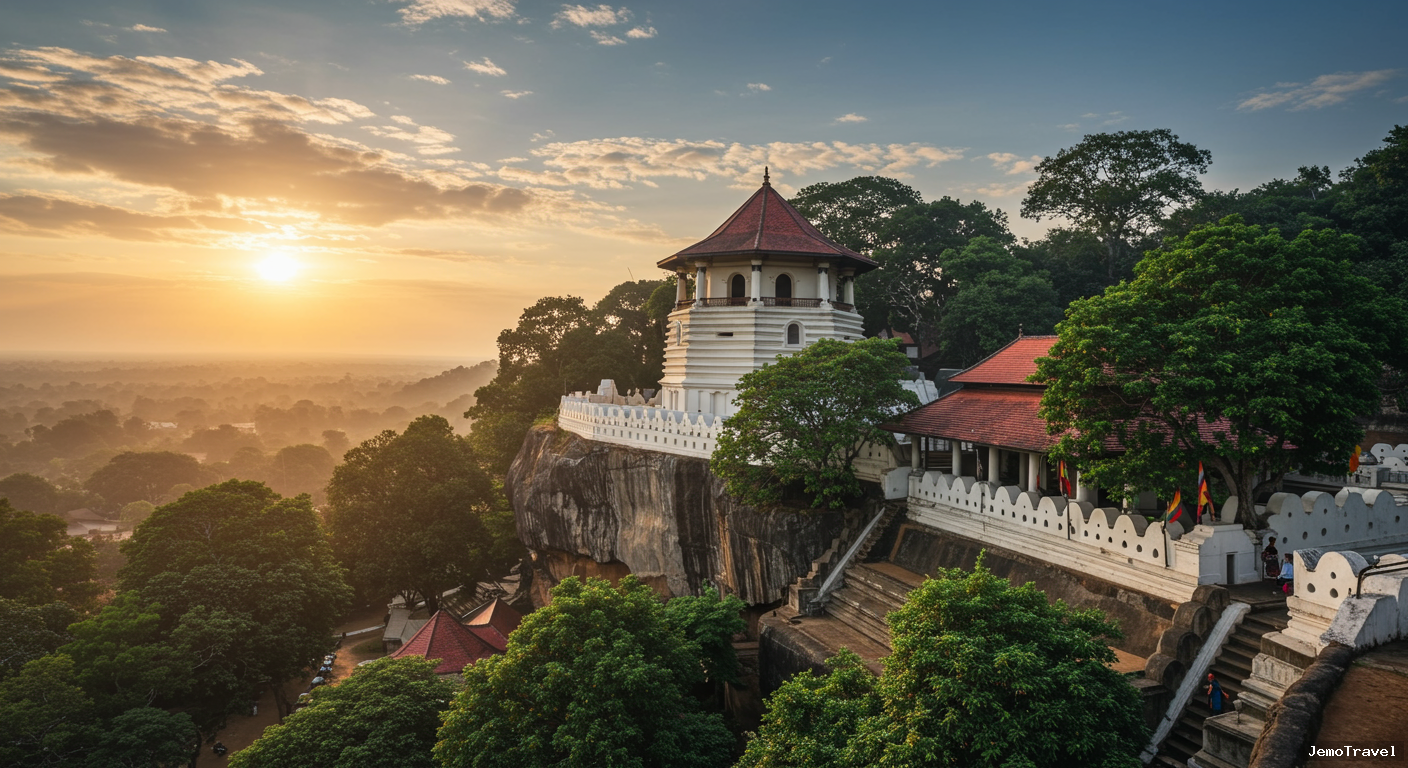
Dambulla Golden Temple: A Guide to Sri Lanka's Sacred Caves
Discover the Dambulla Golden Temple, a UNESCO World Heritage site in Sri Lanka. Explore ancient cave...
Read More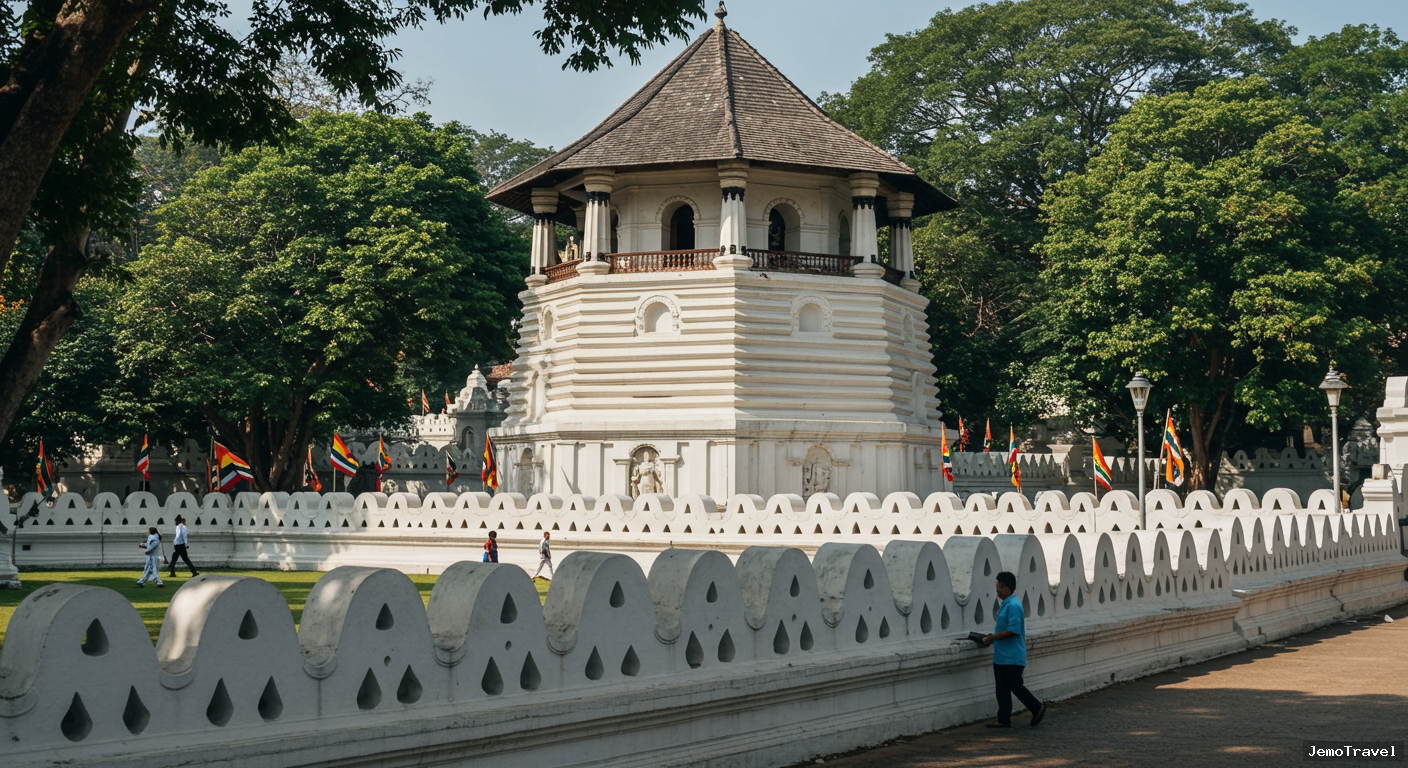
Kandy Temple of the Tooth: A Spiritual Guide to Sri Lanka's Heart
Discover the spiritual heart of Sri Lanka at the Kandy Temple of the Tooth. Our guide covers its his...
Read More
Udawalawe National Park, Sri Lanka: An Elephant Lover's Guide
Discover Sri Lanka's gentle giants at Udawalawe National Park. Our expert guide details the best eth...
Read More