
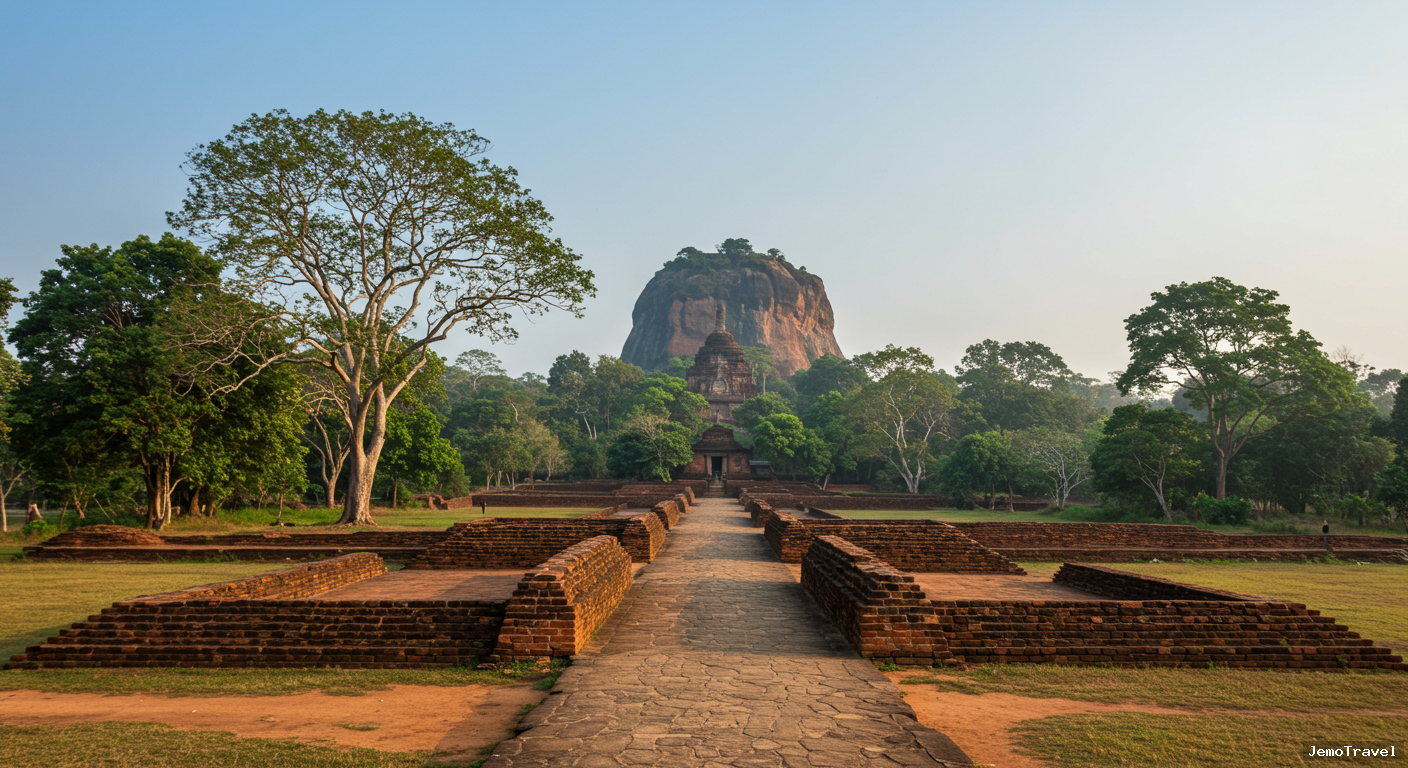
Udawalawe National Park, Sri Lanka: An Elephant Lover's Guide
Discover Sri Lanka's gentle giants at Udawalawe National Park. Our expert guide details the best ethical elephant encounters, safari tips, and the heartwarming Elephant Transit Home.
For the traveller whose heart beats a little faster at the thought of witnessing majestic elephants in their natural, untamed splendour, Sri Lanka offers a destination that feels like a promise fulfilled: Udawalawe National Park. While the island is rich with wildlife hotspots, Udawalawe stands apart. It is, quite simply, the most reliable place in the world to see wild Asian elephants year-round. But this isn't just about sightings; it's about a profound and ethical connection to one of nature's most intelligent creatures.
At JEMO TRIP & TOUR, we believe in travel that goes beyond the surface. This guide isn't just about a safari; it's a deep dive for the true elephant enthusiast. We'll explore not only the thrill of the safari but also the inspiring conservation work that makes this region a true sanctuary.
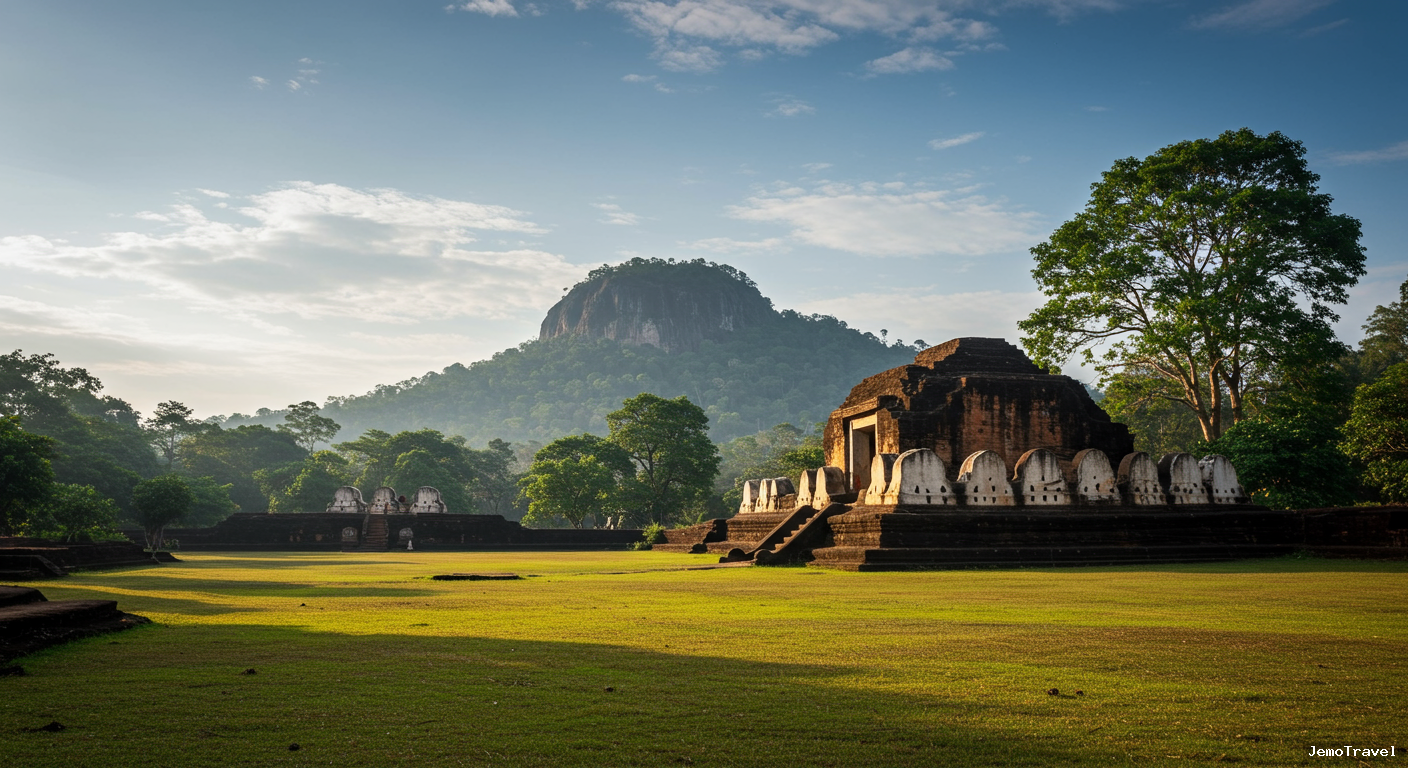
Where Giants Roam: Why Udawalawe is Elephant Paradise
Established on June 30, 1972, Udawalawe National Park was created with a clear purpose: to provide a sanctuary for wildlife displaced by the construction of the massive Udawalawe Reservoir. This act of conservation foresight transformed 30,821 hectares of former farmland into a thriving habitat. The park's landscape, a unique mix of open grasslands, scrubland, and marshes, is a direct result of its history with 'chena' (shifting) cultivation. This open terrain, combined with the permanent water source of the reservoir, created the perfect, non-migratory haven for a large elephant population, which is now estimated to be around 250 permanent residents.
The park's geography is what makes elephant viewing so exceptional. Unlike dense jungles where animals can remain hidden, Udawalawe's vast plains offer unobstructed views, allowing you to watch herds interact, calves play, and solitary bulls graze against the stunning backdrop of the distant hills.
The Main Event: Your Udawalawe Safari Experience
A safari in Udawalawe is an immersion into the daily lives of elephants. As your 4x4 jeep ventures into the park, the sense of anticipation is electric. Morning safaris, starting around 6:00 AM, often reward visitors with cooler temperatures and more active animals, sometimes shrouded in a magical mist rising from the reservoir. Afternoon safaris, typically starting around 2:30 PM, are equally compelling as elephants make their way to the water to drink and cool down before dusk.
While elephants are the undisputed stars, they share this stage with a rich cast of other characters. Keep your eyes peeled for mugger crocodiles basking on the reservoir banks, herds of wild water buffalo, sambar and spotted deer, and wild boar. The park is also a birdwatcher's paradise, with 184 recorded species, including the magnificent Indian Peafowl, Crested Serpent Eagle, and the endemic Sri Lanka Junglefowl. Though present, the Sri Lankan leopard and sloth bear are incredibly elusive here, making any sighting a rare and fortunate bonus.
Park gates are open from 6:00 AM to 6:00 PM. A standard safari lasts about 3-4 hours, which is ample time to explore a significant portion of the park and have meaningful wildlife encounters.
A Story of Hope: The Elephant Transit Home (ETH)
Just outside the national park lies one of Sri Lanka's most heartwarming conservation success stories: the Elephant Transit Home (ETH). Established in 1995 by the Department of Wildlife Conservation, the ETH is not a tourist attraction or an orphanage in the traditional sense. It is a dedicated rehabilitation center for orphaned elephant calves.
Here, young elephants, often victims of human-elephant conflict or having lost their mothers, are nursed back to health with the ultimate goal of being released back into the wild. Human contact is deliberately minimized to prevent the elephants from becoming accustomed to people, ensuring they can thrive once they join wild herds. Visitors watch from a dedicated viewing platform as the energetic calves rush to drink their milk—a truly unforgettable sight.
Public feeding times are generally at 10:30 AM, 2:30 PM, and 6:00 PM. A visit to the ETH perfectly complements a park safari and offers a deeper understanding of the conservation challenges and triumphs in Sri Lanka. It's a powerful reminder that your visit contributes directly to the survival of these incredible animals.
Best Time to Visit
One of Udawalawe's biggest advantages is its status as a year-round destination for elephant sightings. However, for the most concentrated wildlife viewing, the dry season from May to September is considered ideal. During this time, lower water levels cause animals to congregate around the main reservoir and other waterholes, making them easier to spot.
The months from December to March also offer pleasant, dry weather for a safari. Even during the wet seasons (October-January and March-May), safaris are still very rewarding, with lush green landscapes and fewer crowds.
How to Get There
Udawalawe is strategically located in the south of Sri Lanka, making it accessible from several major tourist hubs.
- From the South Coast (Galle, Mirissa, Tangalle): A private transfer is the most convenient option, taking approximately 2-2.5 hours from Galle or Mirissa. Buses are also available but will require a change in a larger town like Embilipitiya.
- From the Hill Country (Ella): The journey takes around 2-2.5 hours by car. Traveling by bus involves at least one transfer, typically in Wellawaya, and can take considerably longer.
- From Colombo: The drive is around 4 hours by car.
JEMO TRIP & TOUR can seamlessly integrate a trip to Udawalawe into your Sri Lankan itinerary, arranging comfortable and reliable private transport for a hassle-free experience.
Tips & Recommendations for an Ethical Encounter
- Choose Your Guide Wisely: A good driver-guide will not only find the animals but will also respect their space and park rules. Reputable guides do not crowd elephants or chase them for a better photo.
- Maintain a Respectful Distance: Never pressure your driver to get too close. If an animal seems stressed by your presence, it's time to back away. This is especially crucial around mothers with calves.
- Silence is Golden: Keep your voice low to avoid startling the animals. The best wildlife encounters happen when you become a quiet observer in their world.
- Patience Pays Off: Don't rush from one sighting to the next. Sometimes the most magical moments unfold when you switch off the engine and simply watch the animals' natural behavior.
- What to Bring: Pack light-colored, comfortable clothing, a sun hat, sunglasses, sunscreen, and insect repellent. Binoculars are highly recommended for birdwatching and getting a closer look at distant animals. Don't forget your camera with a good zoom lens!
Conclusion
Udawalawe National Park offers more than just a safari; it provides a comprehensive and deeply moving elephant experience. It's the thrill of seeing a large herd move across the plains, complemented by the poignant, hopeful work of the Elephant Transit Home. It's a destination that satisfies the desire for adventure while reinforcing the importance of responsible, ethical tourism.
Ready to witness the gentle giants of Sri Lanka? Contact JEMO TRIP & TOUR today. Let our experts craft your perfect Udawalawe adventure, complete with expert guides, comfortable transport, and an itinerary that respects both you and the magnificent wildlife you've come to see.
Related Articles
Tangalle Beach Sri Lanka: The Ultimate Guide to a Coastal Paradise
Discover Tangalle Beach, Sri Lanka's serene coastal jewel. This guide covers pristine bays, turtle w...
Read More
Ella, Sri Lanka: Your Guide to the Hill Country's Green Paradise
Discover the emerald hills and misty mountains of Ella, Sri Lanka. Our complete guide covers epic hi...
Read More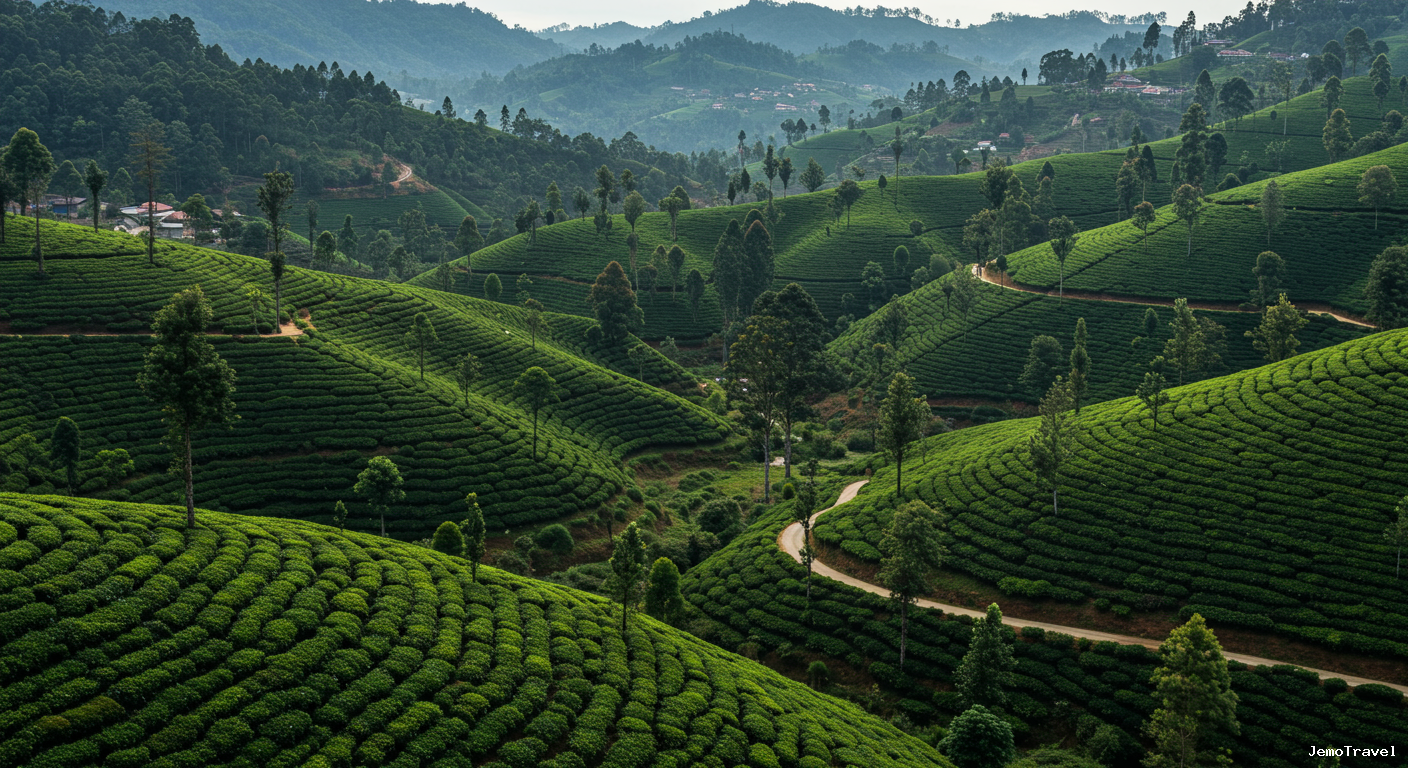
Sri Lanka's Tea Plantations: A Journey Through Emerald Hills
Explore the emerald hills of Sri Lanka's tea plantations. This guide covers the iconic Ella train ri...
Read More