
A Journey Through Time: The Rich History of Sri Lanka
Explore Sri Lanka's epic past, from ancient kingdoms and sacred relics to colonial forts. Uncover the stories etched into the island's stunning landscapes.
Introduction
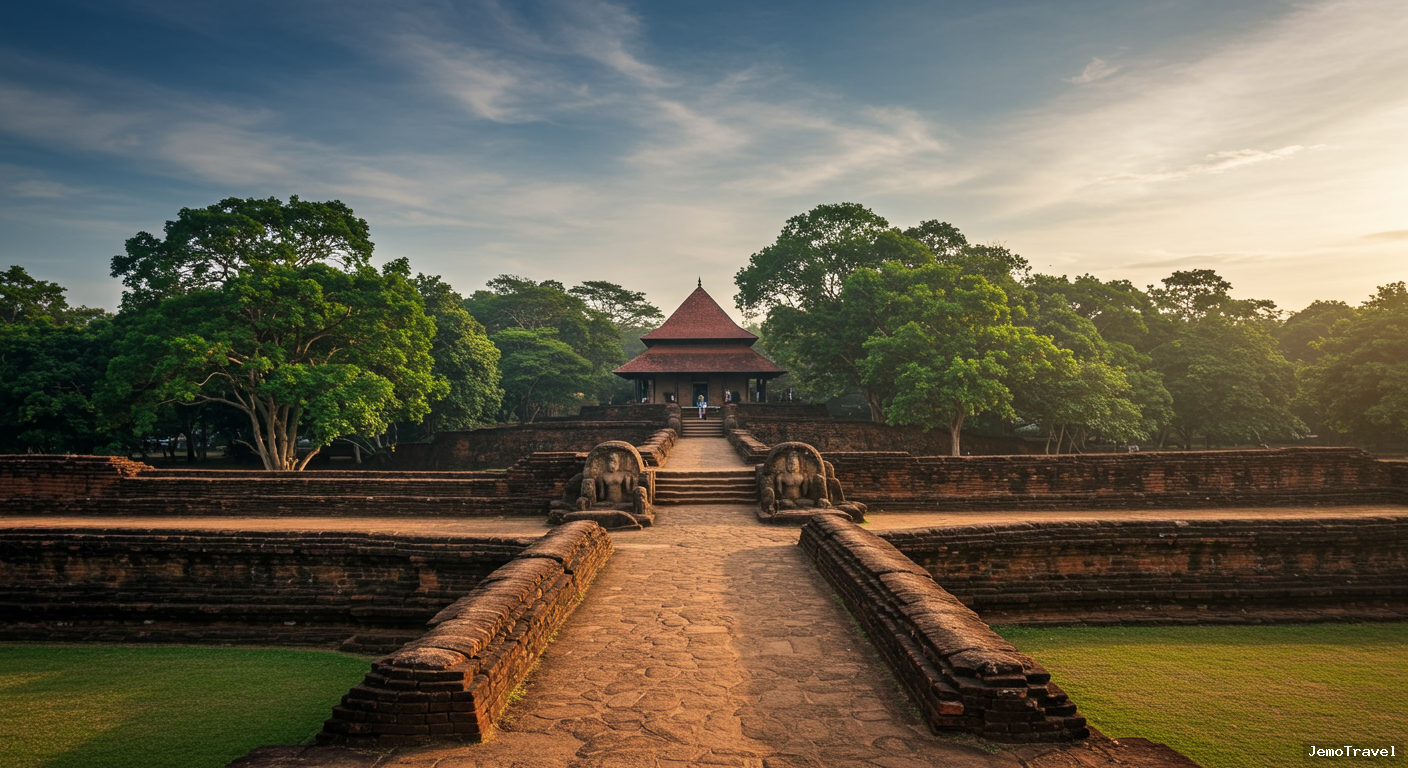
Sri Lanka, the resplendent island known as the Pearl of the Indian Ocean, offers more than just sun-drenched beaches and lush tea plantations. It is a land steeped in a recorded history that spans over 2,500 years, a vibrant tapestry woven with tales of powerful kings, ancient monastic orders, and waves of colonial influence. To travel through Sri Lanka is to walk through a living museum, where the whispers of the past echo from colossal stupas, intricately carved rock temples, and formidable colonial fortresses. The island’s story is meticulously documented in ancient chronicles like the Mahavamsa, providing a rare, continuous historical narrative. Visitors will not just see ruins; they will feel the grandeur of bygone eras, from the sacred city of Anuradhapura, once a thriving capital, to the charming, cobbled streets of Galle Fort, a testament to European maritime power.
History & Background
The story of Sri Lanka begins long before its written chronicles. Archaeological evidence points to prehistoric human settlements dating back at least 34,000 years. However, the island's documented history commences around the 5th century BC with the arrival of Prince Vijaya from northern India, who established the first Sinhalese kingdom. This pivotal event, detailed in the Mahavamsa, marks the beginning of a dynastic rule that would last for centuries. The most transformative moment in early Sri Lankan history occurred in the 3rd century BC when Buddhism was introduced by Arahat Mahinda, the son of the Indian Emperor Ashoka. This led to the establishment of a deeply rooted Buddhist culture that shaped the island's civilization, art, and architecture, and remains the heart of its identity today.
The golden age of ancient Sri Lanka is embodied by its great capitals, Anuradhapura and Polonnaruwa, both now UNESCO World Heritage sites. Anuradhapura reigned as the island's spiritual and political center for over 1,300 years, boasting magnificent dagobas (stupas) and sophisticated irrigation systems. After its decline, the capital shifted to Polonnaruwa, which flourished from the 11th to the 13th century, leaving behind a more compact but equally impressive legacy of temples and colossal stone sculptures. The subsequent centuries saw a gradual drift of kingdoms to the southwest, culminating in the colonial era. The Portuguese arrived in 1505, followed by the Dutch in 1658 and finally the British in 1796, who unified the island and ruled until Sri Lanka, then known as Ceylon, gained independence in 1948.
What to See and Do
To truly immerse yourself in Sri Lanka's history, a journey into the Cultural Triangle is essential. This region is home to the island's most significant ancient wonders. Begin in Anuradhapura, a sprawling UNESCO World Heritage city where you can marvel at the sheer scale of ancient stupas like the Ruwanwelisaya and Jetavanaramaya, once among the tallest structures of the ancient world. Here, you can also visit the Jaya Sri Maha Bodhi, a sacred fig tree believed to be a cutting from the original Bodhi tree under which the Buddha attained enlightenment, making it the oldest historically authenticated tree in the world.
From there, travel to Polonnaruwa, the island’s second ancient capital. This compact and well-preserved UNESCO site is perfect for exploring by bicycle. Witness the incredible rock-cut Buddha statues of Gal Vihara, each carved from a single granite slab with remarkable subtlety and grace. Wander through the ruins of the Royal Palace, the council chambers, and the impressive Parakrama Samudra, a vast man-made reservoir built by King Parakramabahu the Great in the 12th century, showcasing the incredible engineering prowess of the time.
No historical tour is complete without ascending the magnificent Sigiriya Rock Fortress. This 5th-century UNESCO-listed palace, built atop a 200-meter-high rock by the formidable King Kasyapa, is a marvel of urban planning and artistry. Climb past the famous 'mirror wall' and the celestial frescoes of the Sigiriya damsels to reach the summit, passing between the gigantic lion paws that give the fortress its name. Nearby, the Dambulla Cave Temple, another UNESCO site, houses a spectacular complex of five caves filled with over 150 Buddha statues and vibrant ceiling murals that have been painted and repainted for over 2,000 years.
Finally, trace the lineage of Sri Lankan royalty to its last stand in Kandy. Here, the main attraction is the Sri Dalada Maligawa, or the Temple of the Sacred Tooth Relic, which houses the most revered object in the Buddhist world. To witness the colonial chapter of Sri Lanka's history, head south to the Galle Fort. This beautifully preserved Dutch-built fortress, a UNESCO World Heritage site, is a maze of charming cobblestone streets, colonial-era villas, chic boutiques, and imposing ramparts offering stunning ocean views.
Best Time to Visit
Sri Lanka's complex dual monsoon climate makes it a year-round destination, but timing your visit to specific regions is key for the best experience. For exploring the historical sites of the Cultural Triangle (Anuradhapura, Polonnaruwa, Sigiriya) and the east coast, the ideal time is during the dry season from May to September. During these months, you can expect clear skies and minimal rainfall, perfect for climbing Sigiriya and exploring sprawling archaeological sites. Temperatures in this region typically hover around 30-33°C (86-91°F).
Conversely, if your historical journey also includes the last royal capital of Kandy and the colonial hub of Galle on the southwest coast, the best weather is from December to April. This period offers the driest and sunniest conditions for these areas. A highlight for any history enthusiast is the Kandy Esala Perahera, one of Asia's most spectacular religious festivals, which takes place over ten nights in July or August to honor the Sacred Tooth Relic.
How to Get There
Your journey into Sri Lanka's history begins at Bandaranaike International Airport (CMB), located near Colombo, the nation's commercial capital. This airport is well-connected with major airlines from across Europe, Asia, the Middle East, and Australia, making international access straightforward. Upon arrival, you have several options for exploring the country's historical heartland. While public transport like trains and buses exists, they can be slow and less direct for a multi-stop historical itinerary.
For a seamless and efficient exploration of the Cultural Triangle and other historical sites, we at JEMO TRIP & TOUR highly recommend hiring a private car with an experienced driver-guide. This provides unparalleled flexibility, allowing you to travel at your own pace and easily navigate the distances between Anuradhapura, Sigiriya, Polonnaruwa, and Kandy. A typical drive from the airport to the Sigiriya area takes approximately 4-5 hours. A private vehicle ensures you can maximize your time at each site, access more remote locations, and travel in air-conditioned comfort, which is a significant advantage in the tropical climate.
Travel Tips & Recommendations
When visiting Sri Lanka’s sacred historical sites, such as the Temple of the Tooth Relic or the Dambulla Cave Temples, respectful attire is mandatory. Both men and women should wear clothing that covers their shoulders and knees. It is wise to carry a sarong or scarf for this purpose. You will also be required to remove your shoes and hat before entering temple premises, so wearing shoes that are easy to slip on and off is a practical choice. The ground can get very hot, so keeping a pair of socks in your bag can make walking more comfortable.
Exploring the vast archaeological parks of Anuradhapura and Polonnaruwa involves a considerable amount of walking. Be sure to wear comfortable, sturdy footwear. The Sri Lankan sun is strong, so packing high-SPF sunscreen, a wide-brimmed hat, and sunglasses is essential. Stay hydrated by drinking plenty of bottled water throughout the day. To enrich your experience, consider hiring a licensed local guide at major sites; their deep knowledge can bring the stones and stories of these ancient kingdoms to life in a way a guidebook cannot.
Conclusion
Sri Lanka’s history is not confined to books; it is etched into the very landscape of the island. From the monumental achievements of ancient engineers to the enduring legacy of faith and the layered influences of global trade, every corner tells a story. This journey through time offers a profound connection to a civilization that has thrived for millennia. Let JEMO TRIP & TOUR be your guide on this unforgettable expedition. Contact us today to craft your personalized historical tour of Sri Lanka.
Related Articles
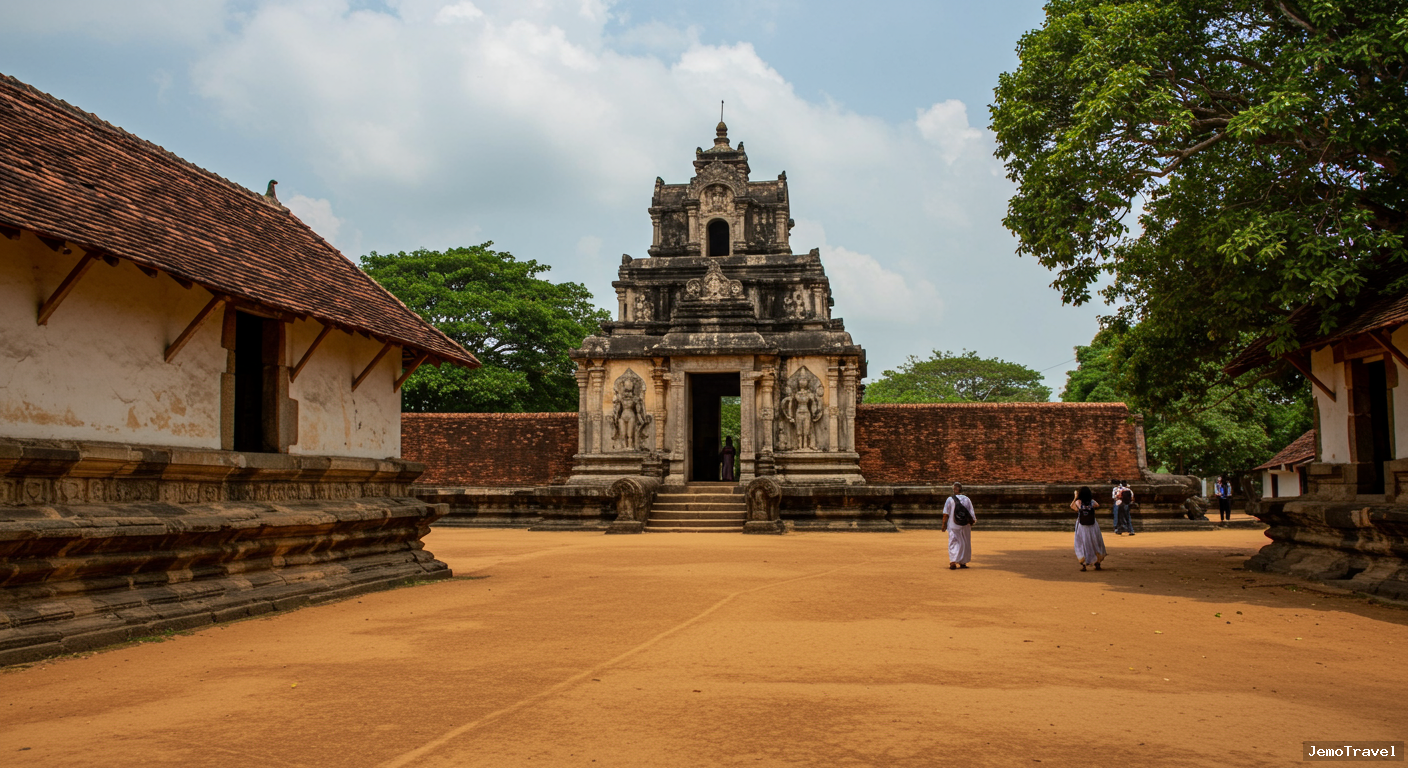
Jaffna Uncovered: A Guide to Northern Sri Lanka's Cultural Heart
Discover Jaffna, Sri Lanka's northern jewel. Explore its vibrant Tamil culture, ancient temples, and...
Read More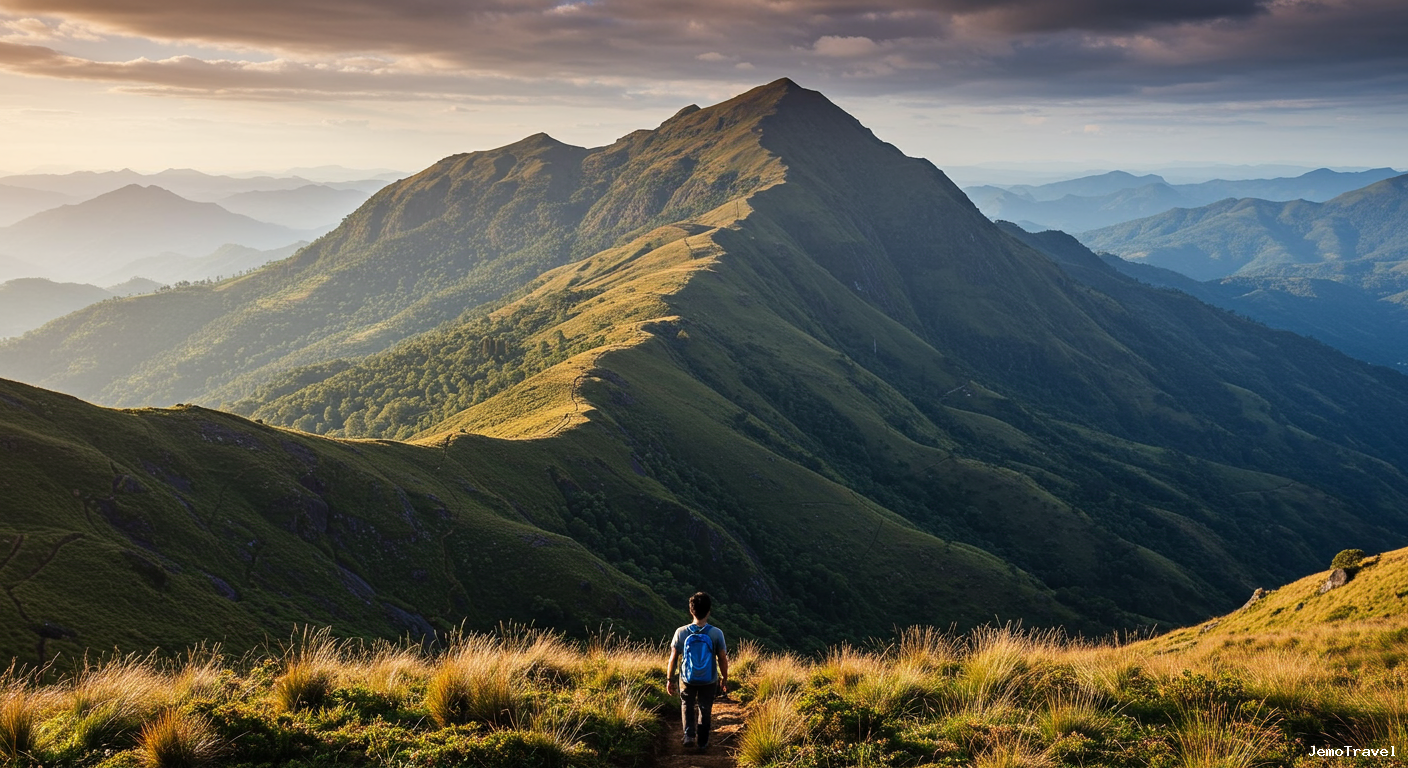
Knuckles Mountain Range Sri Lanka: A Hiker's Ultimate Guide
Explore the UNESCO World Heritage Knuckles Mountain Range in Sri Lanka. This guide covers the best h...
Read More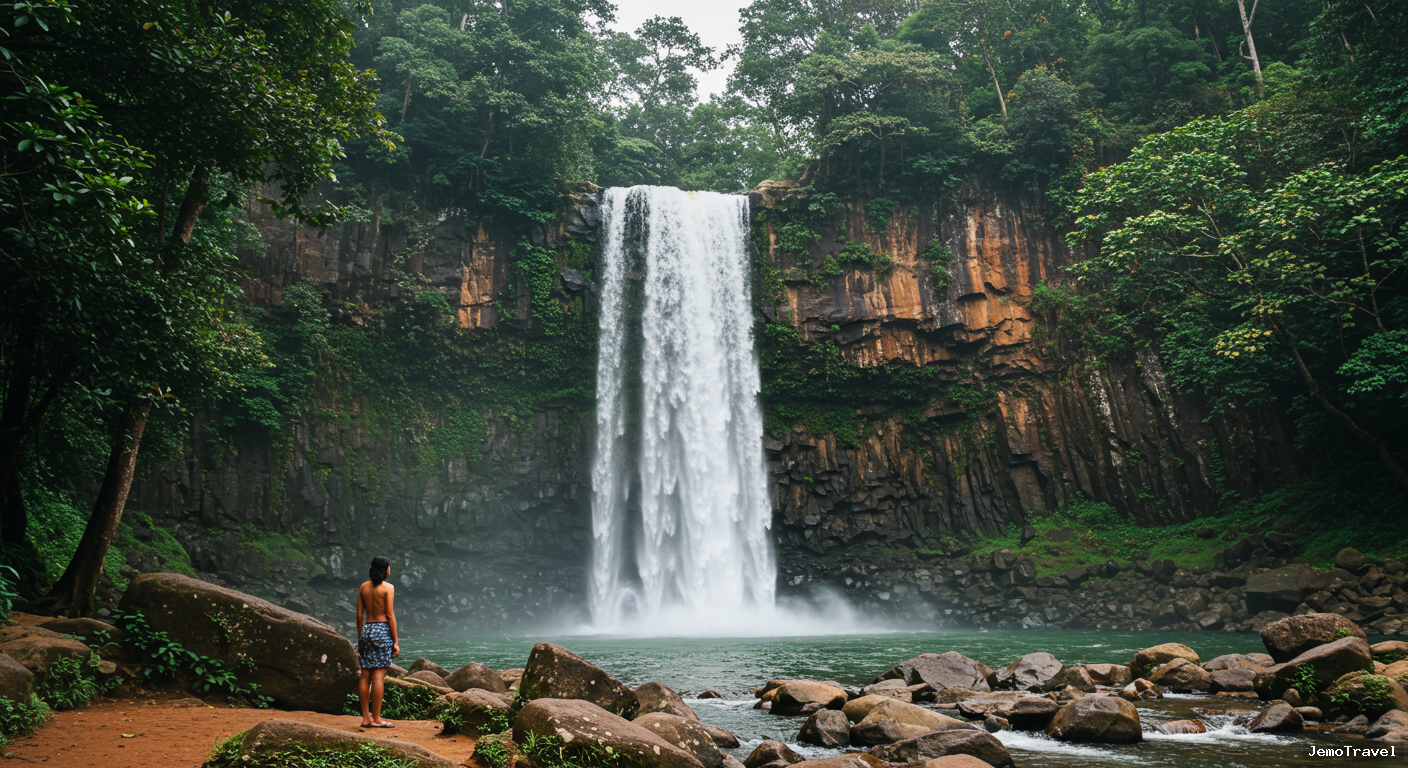
Diyaluma Falls: A Guide to Sri Lanka's Epic Waterfall Adventure
Discover Diyaluma Falls, Sri Lanka's 220m giant. Hike to its famous upper pools, swim in natural inf...
Read More