Ambalangoda, Sri Lanka: Unmasking the Coastal Cultural Capital
Discover Ambalangoda, Sri Lanka's cultural heart. Explore vibrant mask museums, ancient puppetry traditions, and serene beaches with our expert guide.
Introduction
Nestled on Sri Lanka’s sun-drenched southern coast, approximately 87 kilometers south of Colombo, lies the town of Ambalangoda. While many coastal towns lure visitors with just sand and surf, Ambalangoda offers a much deeper, more vibrant experience. This is the undisputed heartland of Sri Lanka’s traditional mask-making and devil-dancing heritage, a place where culture is not just preserved in museums but is a living, breathing part of the community. A visit here is an immersion into the island's rich folklore, where the rhythmic sound of the carver’s chisel blends with the crash of the Indian Ocean's waves. Visitors can expect to explore fascinating workshops where mythical creatures are brought to life from blocks of wood, witness the intricate art of string puppetry, and relax on quieter, more authentic beaches than those of its bustling neighbors. Ambalangoda is a journey beyond the typical beach holiday into the very soul of Sri Lankan artistry.
History & Background
Ambalangoda’s history is intricately woven with the fishing trade and its strategic location along the ancient coastal route. The name itself, derived from the Sinhalese words 'Ambalama' (a simple resting place for travellers) and 'Goda' (a hill or land), points to its long-standing role as a stopover for pilgrims and merchants journeying along the southern coast. While it has functioned as a bustling commercial town for centuries, its global fame stems from its deep-rooted artistic traditions, particularly the craft of mask carving. This art form is believed to have flourished for over 250 years, with skills and secret patterns passed down through generations within a few select families.
The masks of Ambalangoda are central to traditional folk rituals and theatre. They are primarily carved from the light, durable wood of the 'Kaduru' tree (Strychnine tree), which grows in the marshlands surrounding the town. The traditions encompass three main categories of masks: the narrative Kolam masks, used in rural folk plays depicting colonial-era characters and village life; the healing Sanni masks, representing 18 different demons of disease used in elaborate exorcism rituals known as Sanni Yakuma; and the vibrant Raksha masks, depicting demons, birds, and mythical figures used in festivals and processions. This living heritage, passed down by master craftsmen like the Ariyapala Wijesuriya family, offers a profound connection to the island's pre-Buddhist folk beliefs and animistic past, making Ambalangoda a crucial center for intangible cultural heritage in Sri Lanka.
What to See and Do
Your cultural exploration of Ambalangoda must begin at one of its renowned mask museums. The Ariyapala & Sons Mask Museum is an institution, a family-run establishment that has safeguarded this art for five generations. Here, you can tour the museum, which showcases an extensive collection of Kolam, Sanni, and Raksha masks, each with detailed explanations of their purpose and folklore. Attached is a workshop where you can witness artisans meticulously carving, sanding, and painting the masks, offering a fascinating insight into the creative process. The adjacent library contains ancient manuscripts on the history of mask-making and related rituals.
Just a short distance away, the Ambalangoda Mask Museum, founded by the Wijesooriya family, provides another deep dive into this cultural phenomenon. This center also features a museum, workshop, and showroom. It focuses heavily on the anthropological significance of the masks and the stories behind the various characters in Kolam theatre. Watching a live demonstration of the carving process here provides a true appreciation for the skill and patience required to create these intricate works of art. You can also purchase authentic, high-quality masks directly from the artisans who made them.
Beyond the masks, visit the impressive Sunandarama Viharaya, an ancient Buddhist temple located in the heart of the town. This temple is famed for its magnificent image house, which contains the longest reclining Buddha statue in South Asia, dating back to the late 19th century. The temple walls and ceilings are adorned with some of the finest examples of Kandyan-era and colonial-era murals, depicting Jataka tales (stories of the Buddha's previous lives) in vivid detail.
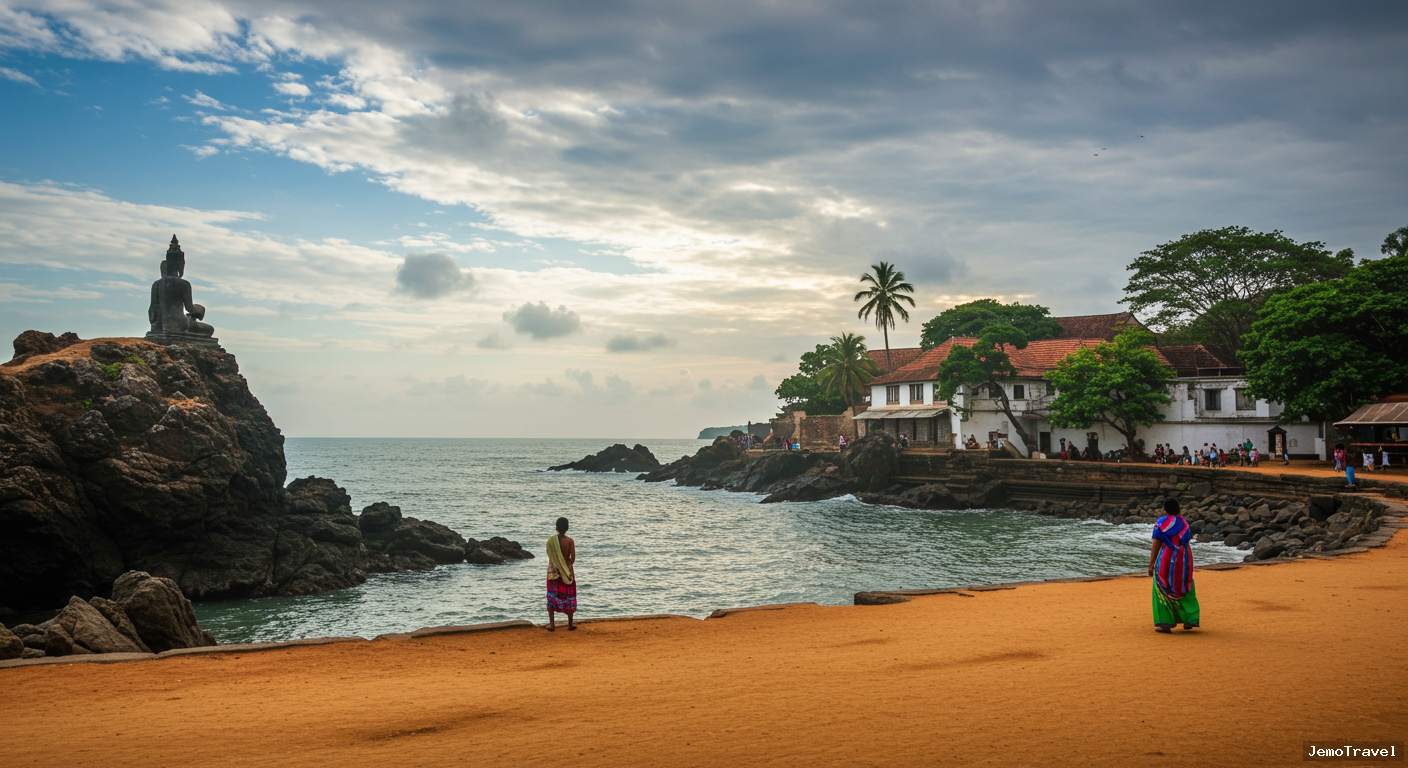
For a change of pace, unwind on Ambalangoda’s tranquil beach. Less crowded than its famous neighbors, it offers a more serene coastal experience. A unique feature is the large natural rock pool, which creates a calm, safe area for swimming, protected from the open ocean waves. It’s a perfect spot to watch the sunset and, if you’re lucky, spot the iconic stilt fishermen who sometimes practice their trade in the shallows.
Best Time to Visit
The ideal time to visit Ambalangoda and Sri Lanka's southern coast is during the primary dry season, which runs from December to April. During these months, you can expect long, sunny days, clear blue skies, and minimal rainfall. The sea is typically calm and inviting, making it perfect for swimming and other beach activities. Average daytime temperatures hover between a pleasant 28°C and 32°C (82°F to 90°F), creating a perfect tropical climate for exploring the town's cultural sites and relaxing by the shore. This period also coincides with the peak tourist season, so it's advisable to book accommodations and tours in advance.
The shoulder season, from May to September, marks the arrival of the 'Yala' southwest monsoon. While this period sees more rainfall, it rarely rains all day. Showers are often heavy but brief, usually occurring in the afternoon, leaving the mornings bright and sunny. The landscape becomes incredibly lush and green, and there are fewer crowds. The inter-monsoon period from October to November can also bring unpredictable rain, but it's a great time to find excellent deals on travel and accommodation. For cultural enthusiasts, checking local schedules for 'Perahera' (procession) seasons can be rewarding, as you might witness Raksha masks in use.
How to Get There
Ambalangoda is conveniently located and easily accessible from Sri Lanka's main international gateway, Bandaranaike International Airport (CMB), and the capital city, Colombo. The most efficient way to travel is by private vehicle via the Southern Expressway (E01). A private transfer arranged by JEMO TRIP & TOUR ensures a comfortable, air-conditioned journey that takes approximately 1.5 to 2 hours, depending on traffic conditions exiting Colombo. This is the most hassle-free option, taking you directly to your hotel.
For a more scenic and atmospheric journey, the coastal railway line offers a fantastic alternative. Trains depart regularly from Colombo Fort station and wind their way south, offering breathtaking views of the Indian Ocean for much of the trip. The journey to Ambalangoda railway station takes around 2 to 2.5 hours. While second and third-class carriages can be crowded, it is an authentic and memorable Sri Lankan experience.
The most economical option is to travel by bus. Numerous public and private buses ply the Galle Road (A2) route from the Central Bus Stand in Pettah, Colombo. This is the slowest method, taking anywhere from 3 to 4 hours due to frequent stops and traffic, but it provides a vivid slice of local life and is incredibly budget-friendly.
Travel Tips & Recommendations
When visiting Ambalangoda's temples and cultural sites, remember to dress modestly. This means covering your shoulders and knees as a sign of respect; carrying a sarong or scarf is a great way to ensure you are always prepared. While credit cards are accepted at larger hotels and museums, many smaller workshops, local eateries, and markets operate on a cash-only basis, so it's wise to have a supply of Sri Lankan Rupees (LKR) on hand.
To gain a deeper appreciation for the local craft, always ask for permission before taking photographs of artisans at work in the workshops. Purchasing a small, certified-authentic mask directly from a family workshop is not only a wonderful souvenir but also a direct contribution to preserving this invaluable cultural heritage. When shopping at local markets, gentle and respectful bargaining is part of the culture, but in established museums and shops with clearly marked prices, the cost is typically fixed. Stay hydrated by drinking plenty of bottled water throughout the day.
Conclusion
Ambalangoda is far more than just another stop on Sri Lanka’s coastline; it is a vibrant sanctuary of living culture, art, and history. From the mesmerizing gaze of a hand-carved mask to the tranquil beauty of its rock-pool beach, the town offers a unique and enriching travel experience. It invites you to look beyond the surface and connect with the island's profound artistic soul.
Ready to unmask the wonders of Ambalangoda? Let JEMO TRIP & TOUR craft your perfect cultural journey. Contact us today to start planning your unforgettable Sri Lankan adventure!
Related Articles
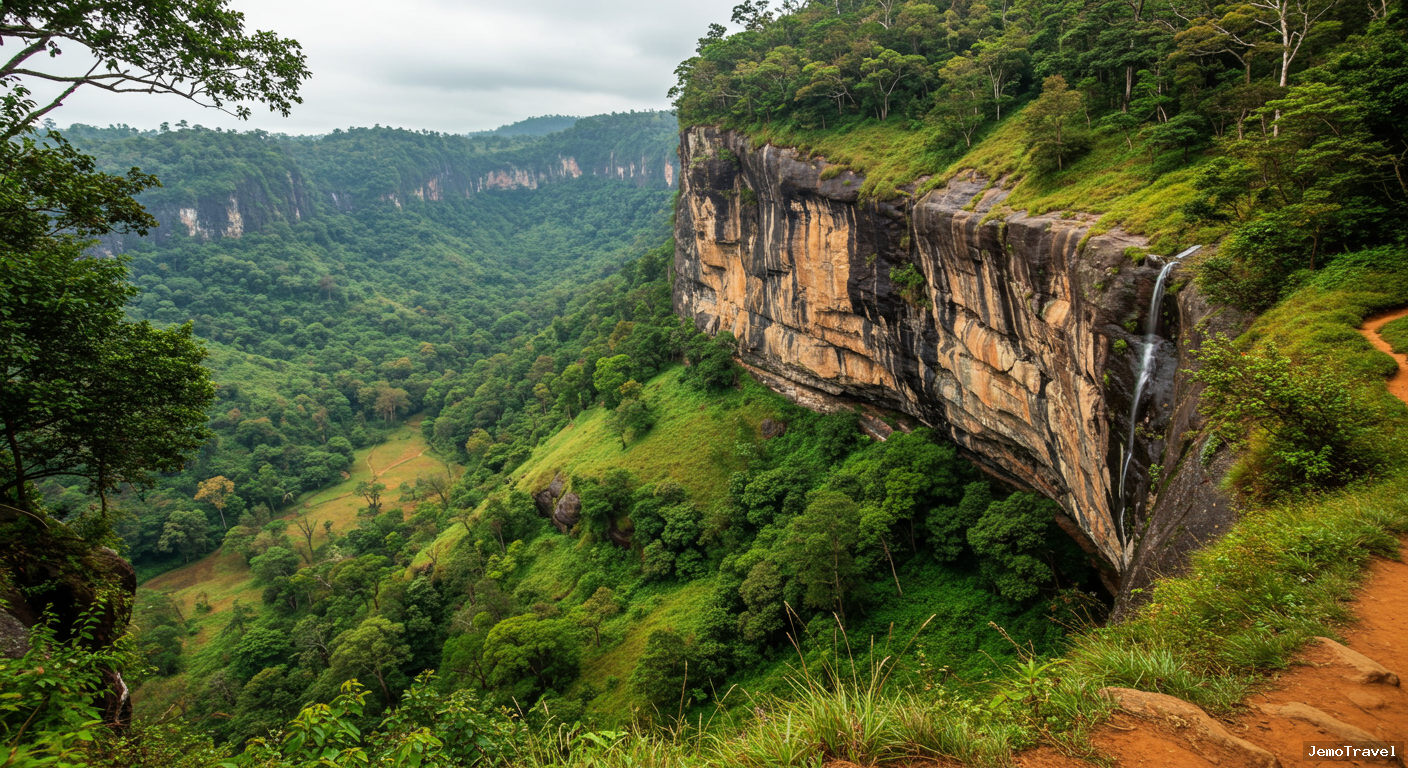
Belihul Oya: Sri Lanka's Hidden Eco-Adventure Paradise
Discover Belihul Oya, a breathtaking destination where Sri Lanka's wet and dry zones meet. Explore l...
Read More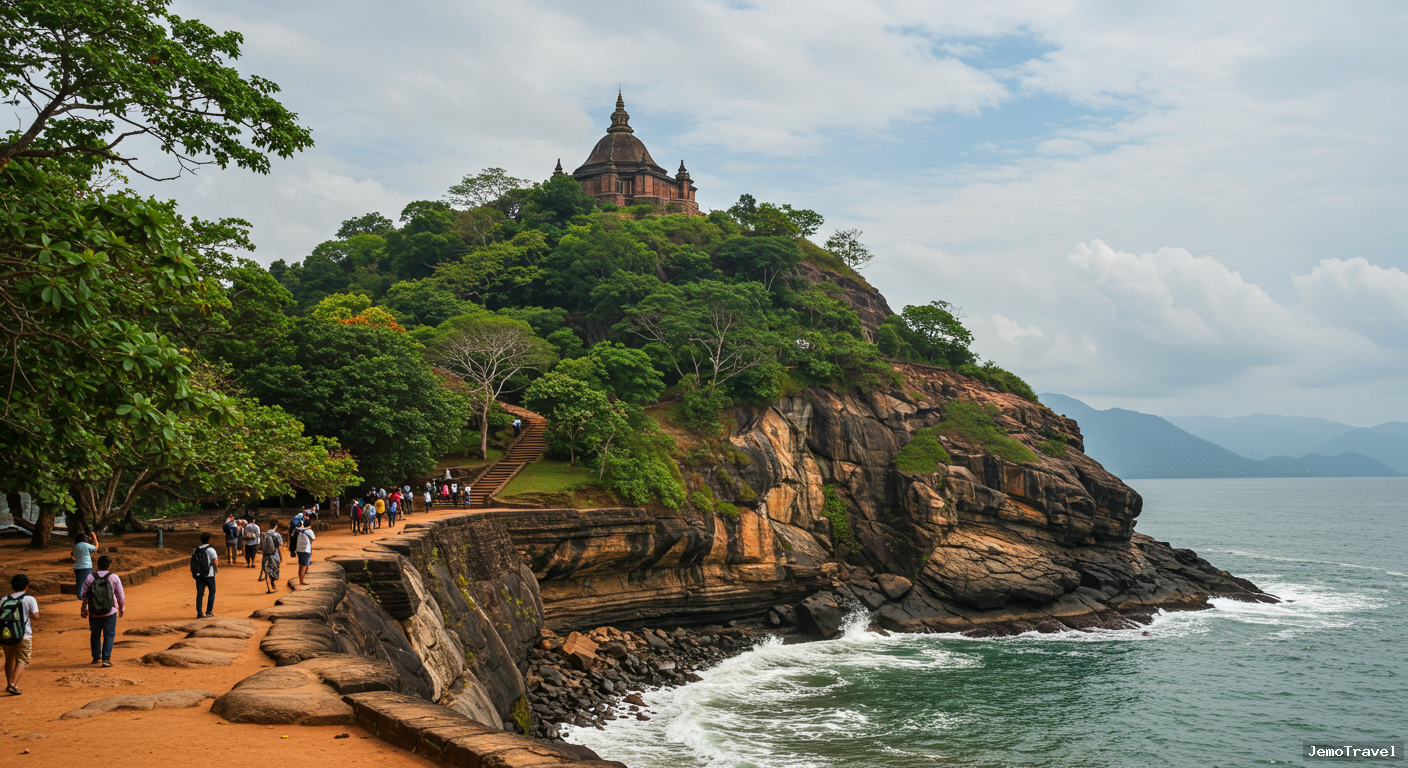
Top Must-Visit Places in Sri Lanka: An Ultimate Travel Guide
Discover the top must-visit places in Sri Lanka, from the ancient rock fortress of Sigiriya to the c...
Read More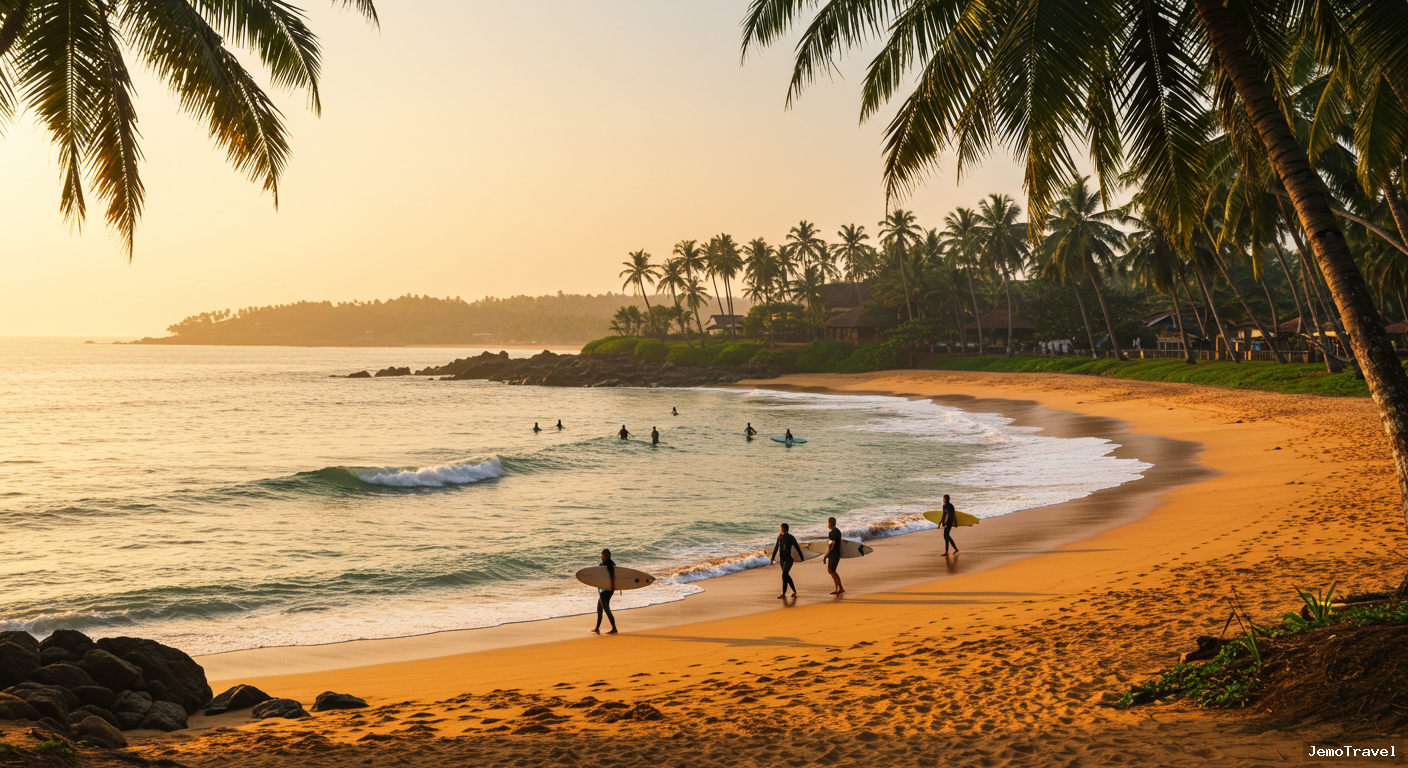
Where to Surf in Sri Lanka: The Ultimate Seasonal Guide
Master Sri Lanka's dual surf seasons with our expert guide. Find out exactly where and when to surf...
Read More