
King Kashyapa’s Sky Fortress: A Guide to Sigiriya, Sri Lanka
Discover the dramatic story of King Kashyapa and his incredible sky fortress, Sigiriya. Our guide covers the history, what to see, and how to visit this UNESCO wonder in Sri Lanka.
Introduction
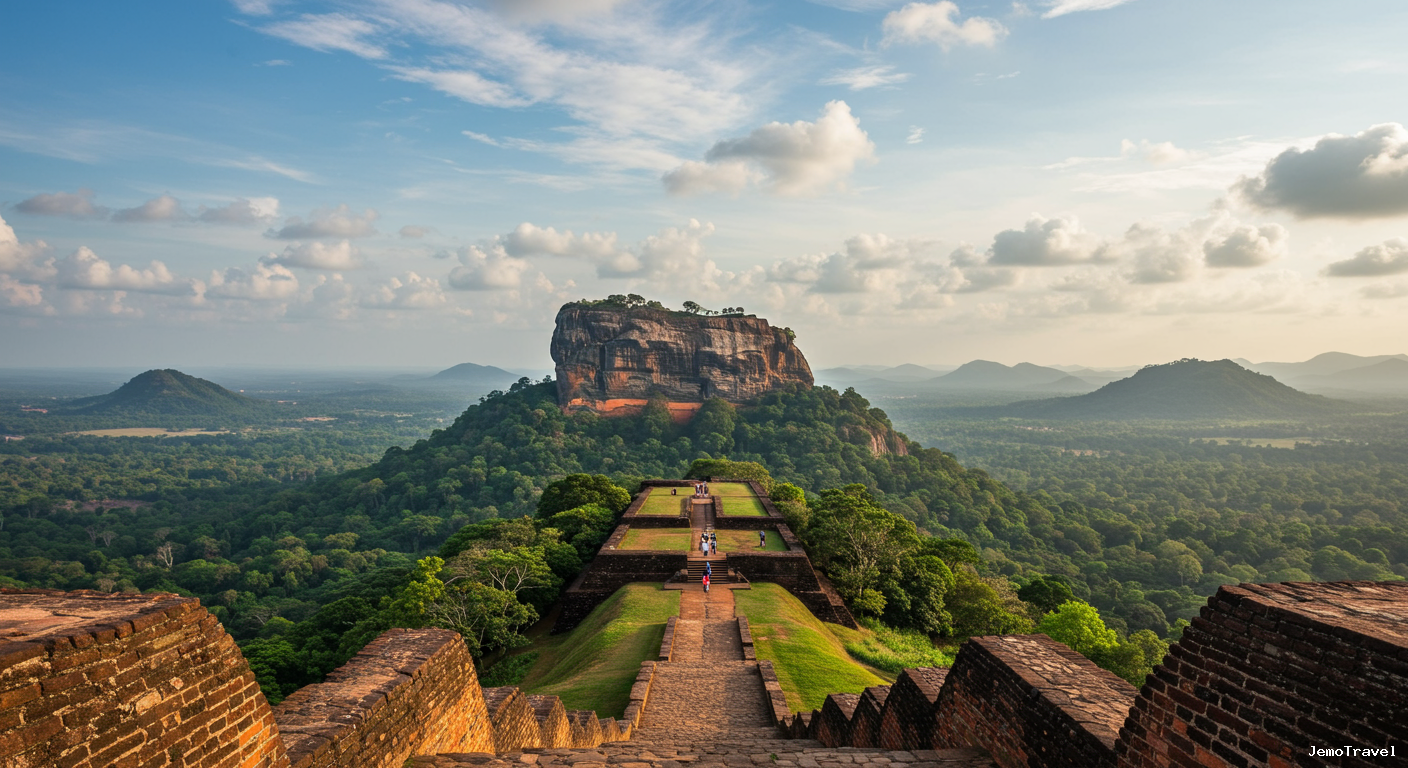
Looming dramatically from the central plains of Sri Lanka, the colossal rock of Sigiriya stands as a monument to one of history’s most ambitious and controversial rulers: King Kashyapa. This is not merely a geological wonder; it is the canvas for a 5th-century tale of betrayal, fear, and unparalleled artistic vision. Ascending the ‘Lion Rock’ is a journey back in time, a climb into the clouds where a paranoid king built his celestial palace. Visitors to this extraordinary UNESCO Sri Lanka site can expect to be mesmerized by ancient frescoes, sophisticated garden engineering, and breathtaking 360-degree views from the summit. The legacy of King Kashyapa offers a profound glimpse into the ingenuity and turmoil of ancient Sri Lanka, making it an essential and unforgettable part of any Sri Lanka travel itinerary with JEMO TRIP & TOUR.
History & Background
The story of Sigiriya is inextricably linked to the dramatic reign of King Kashyapa I (477–495 AD). The ancient chronicle, the Culavamsa, recounts a dark tale of patricide and power. Kashyapa was the son of King Dhatusena, but his mother was a non-royal consort, making his younger half-brother, Moggallana, the rightful heir to the throne. Consumed by ambition and fear of being overlooked, Kashyapa orchestrated a coup, usurping the throne and gruesomely entombing his own father alive within a wall. Moggallana, fearing for his life, fled to South India to raise an army and vow revenge.
Haunted by his crime and paranoid about his brother's inevitable return, King Kashyapa abandoned the traditional capital of Anuradhapura. He sought an impregnable location for his new seat of power and chose the monolithic 200-meter-high rock of Sigiriya. Over a remarkably short period, he transformed this natural monolith into a fortified palace complex of staggering complexity and beauty. It was designed as a microcosmic representation of the mythical city of Alakamanda, the celestial abode of the god of wealth, Kuvera.
This ancient fortress served as his royal residence and administrative center for nearly two decades. However, his reign of fear was finite. In 495 AD, Moggallana returned with his army. In the ensuing battle, Kashyapa, in a moment of tactical error or fateful despair, took his own life. After his death, Moggallana returned the capital to Anuradhapura, and Sigiriya was handed over to Buddhist monks, serving as a monastery until it was eventually abandoned in the 14th century. Its rediscovery by British archaeologists in the 19th century unveiled the incredible legacy of King Kashyapa to the world, leading to its designation as a UNESCO World Heritage site in 1982.
What to See and Do
Your visit to the magnificent Lion Rock Sri Lanka is a step-by-step ascent through layers of history and artistry. The journey begins at the base, within the meticulously planned Water Gardens. These symmetrical gardens, featuring pools, fountains, and channels, are a testament to advanced hydraulic engineering from over 1,500 years ago and represent one of the oldest landscaped gardens in the world. As you proceed, the path winds through the Boulder Gardens, where natural rock formations are integrated with brick pavilions and terraces, once serving as shelters for monks.
The climb continues via a spiral staircase to a sheltered gallery in the rock face, home to the world-renowned Sigiriya Frescoes. These vibrant paintings depict celestial maidens, or 'Apsaras', adorned with flowers and jewels. Though only a fraction of the original 500 paintings remain, their beauty and detail are captivating. Just beyond the frescoes lies the Mirror Wall. This wall was originally coated in a highly polished plaster, so reflective that King Kashyapa could see his image as he walked past. Today, it is covered in ancient graffiti (known as 'Sigiri graffiti'), with verses and comments left by visitors from as far back as the 8th century.
The final, dramatic ascent to the summit begins at the midway terrace, where you pass between two colossal Lion Paws carved from the rock. This gateway is what gives Sigiriya its name, meaning 'Lion Rock'. The climb up the steep metal staircase from here is challenging but immensely rewarding. At the summit, you are greeted by the foundations of King Kashyapa's palace. Wander through the ruins, imagining the grand halls, the sprawling royal chambers, and the king’s personal swimming pool, all while soaking in the breathtaking panoramic views of the surrounding jungles and plains. This vantage point truly illustrates the scale and ambition of this incredible ancient fortress.
Best Time to Visit
Planning your Sri Lanka travel to Sigiriya is best done with the weather in mind. The ideal time to visit this iconic landmark is during the two main dry seasons: from January to April and again from July to September. During these months, you can expect clear skies and less humidity, making the strenuous climb of over 1,200 steps more manageable. Temperatures in the region typically hover between 27°C and 32°C (81°F to 90°F) year-round, so an early start is always recommended.
To make the most of your experience, plan to begin your ascent as soon as the site opens, around 7:00 AM, or in the late afternoon, around 3:00 PM. This allows you to avoid the intense midday sun and the largest crowds, providing a more serene atmosphere to appreciate the history and the stunning views. Visiting during the shoulder months, like May or October, can also be pleasant, though you may experience short, intermittent rain showers. JEMO TRIP & TOUR can help schedule your visit to Sigiriya as part of a wider cultural triangle exploration, which often includes the nearby cave temples of Dambulla.
How to Get There
Sigiriya is centrally located in Sri Lanka's Cultural Triangle, in the Matale District near the town of Dambulla, making it accessible from several major tourist hubs. The most convenient and comfortable way to reach the ancient fortress is by private vehicle, a service seamlessly arranged as part of our JEMO TRIP & TOUR Sri Lanka tours. From the capital city of Colombo, the journey by car takes approximately 3 to 4 hours, covering a distance of about 170 kilometers. If you are traveling from the hill capital of Kandy, the drive is shorter, taking around 2 to 2.5 hours.
For those seeking a more adventurous or budget-friendly option, public transport is available. You can take a train to the nearby towns of Habarana or Dambulla and then hire a local bus or a three-wheeled tuk-tuk for the final leg of the journey to the Sigiriya site. While this method is more economical, it can be significantly longer and less direct. For a hassle-free journey that allows you to relax and enjoy the scenic countryside, we highly recommend a private transfer, ensuring you arrive refreshed and ready for the climb.
Travel Tips & Recommendations
To ensure a safe and enjoyable climb up Lion Rock Sri Lanka, preparation is key. The ascent involves over 1,200 steps, some of which are steep and narrow, so wear sturdy, comfortable walking shoes with good grip. The Sri Lankan sun is strong; bring a hat, sunglasses, and apply high-SPF sunscreen. It is crucial to stay hydrated, so carry at least one liter of water per person. You can purchase water at the entrance, but there are no vendors on the rock itself. It’s also wise to pack a small snack for an energy boost.
Remember that Sigiriya is a revered historical site. Be respectful by dressing modestly and adhering to the rules, especially the strict 'no flash photography' policy in the fresco gallery to preserve the ancient paintings. Be aware of the signs warning about hornets; stay quiet and avoid sudden movements if you encounter them. For a richer experience, consider visiting the Sigiriya Museum near the entrance before your climb. It provides excellent context about King Kashyapa and the archaeological significance of the site, enhancing your appreciation for the marvels that await you.
Conclusion
The legacy of King Kashyapa is not just a story of a fugitive king but a testament to human creativity and will, etched into the very rock of Sri Lanka. A visit to Sigiriya is more than a climb; it is an immersive experience that connects you to an ancient, powerful, and artistic civilization. The whispers of history echo from the Water Gardens to the palace ruins on the summit.
Ready to witness this marvel for yourself? Contact JEMO TRIP & TOUR today to craft your bespoke Sri Lanka tours and ascend the magnificent Lion Rock Sri Lanka.
Related Articles
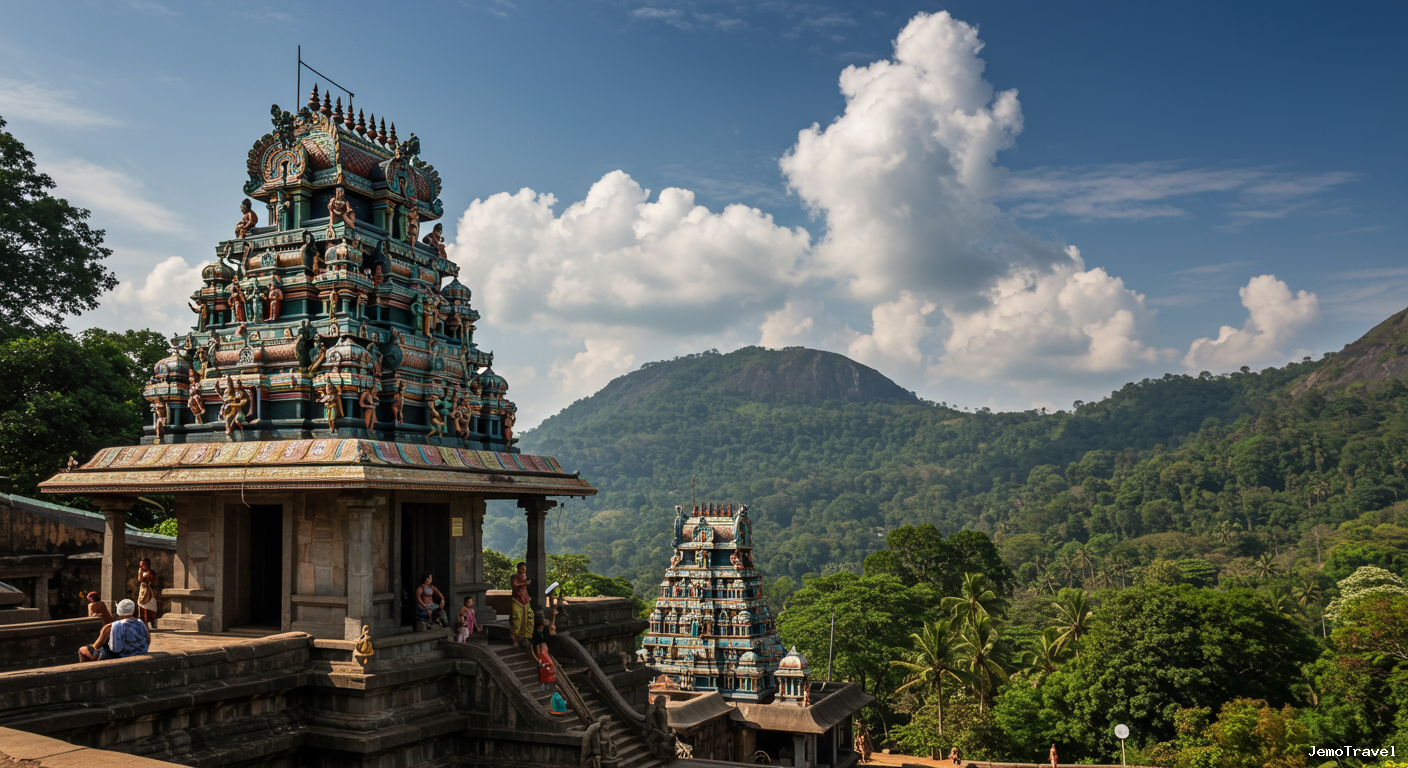
Seetha Amman Kovil: A Divine Ramayana Legend in Sri Lanka's Hills
Explore the Seetha Amman Kovil in Nuwara Eliya, a sacred site from the Ramayana epic. Discover where...
Read More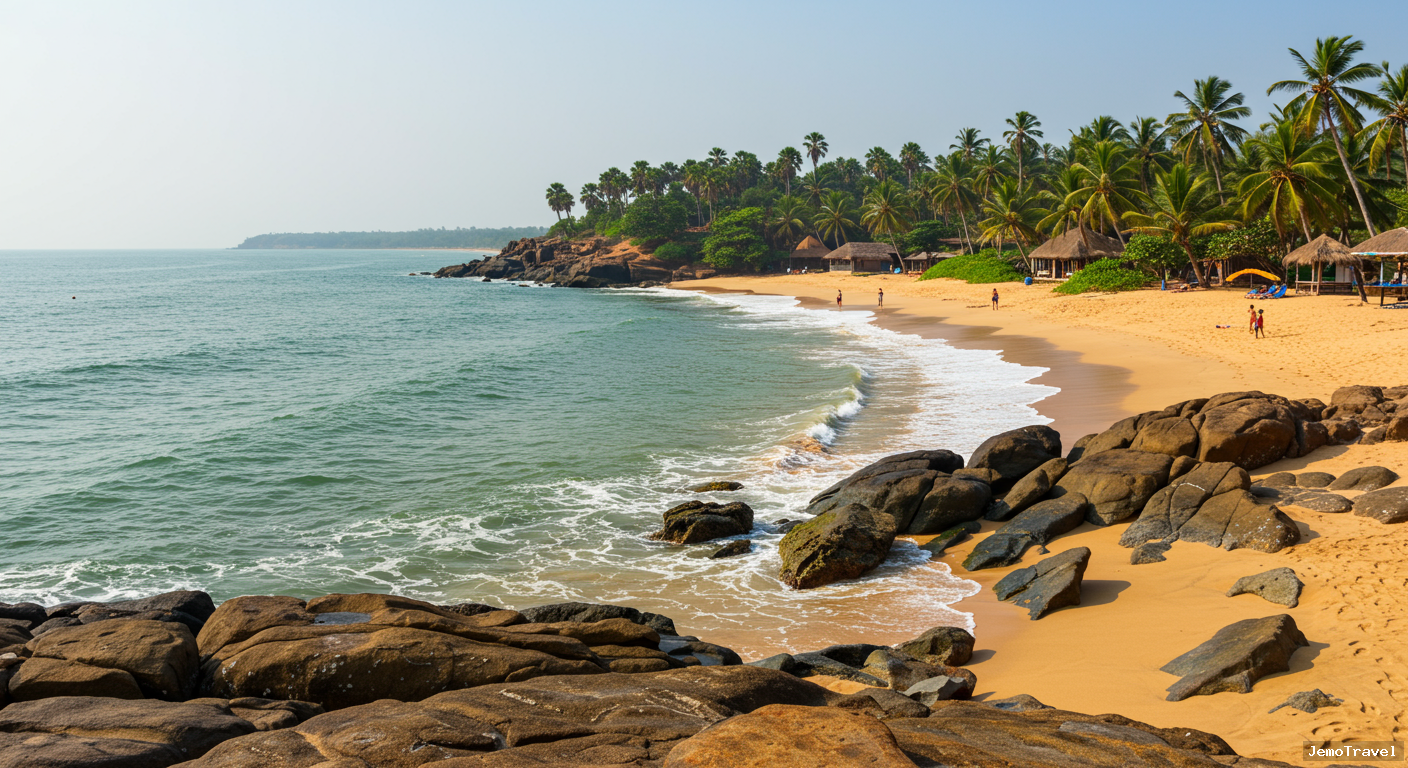
Mirissa Beach Guide: Sri Lanka's Unforgettable Coastal Paradise
Discover Mirissa, Sri Lanka's jewel of the south coast. Our guide covers whale watching, Coconut Tre...
Read More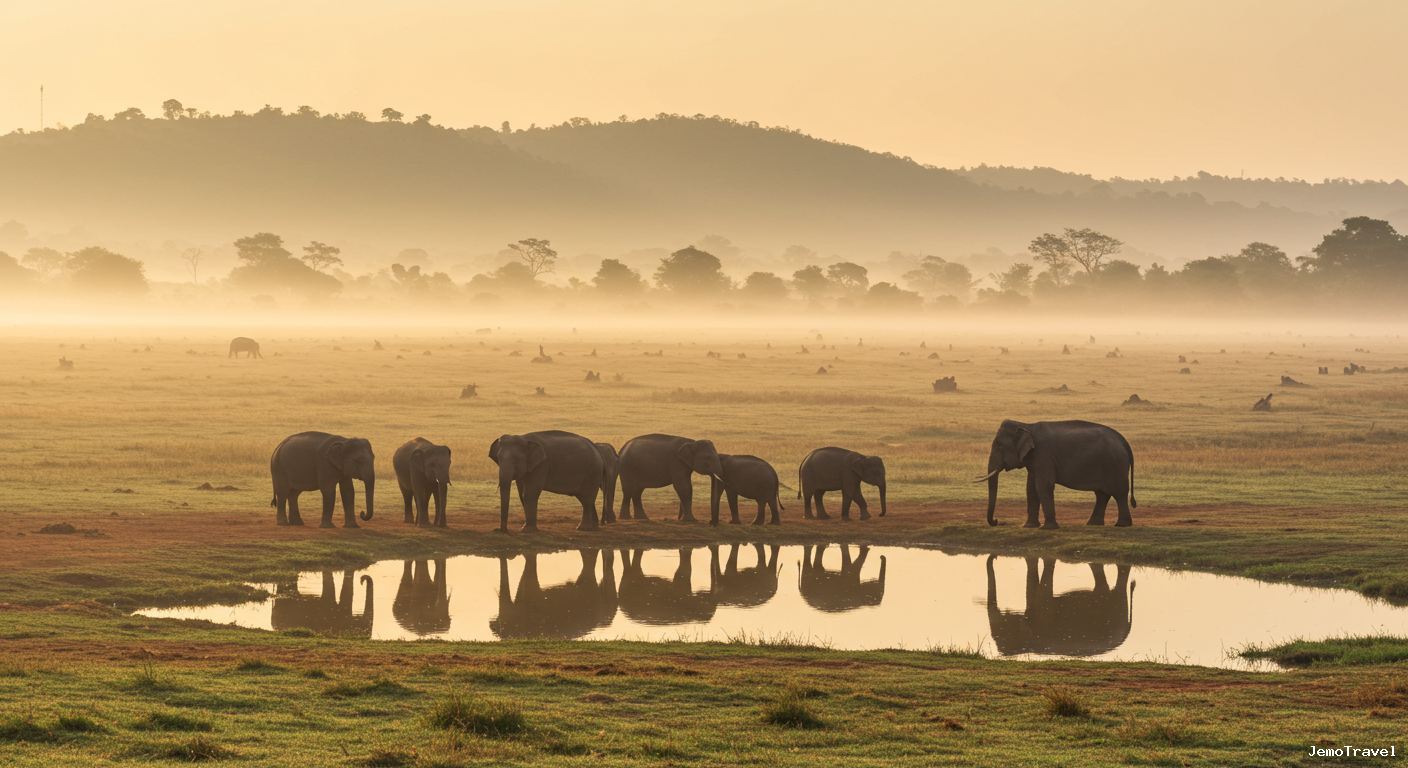
Best Wildlife Safaris in Sri Lanka: Top National Parks Guide
Sri Lanka is a premier wildlife destination. Explore the best wildlife safaris in Sri Lanka, featuri...
Read More