Anuradhapura, Sri Lanka: A Guide to the Sacred Ancient City
Discover the sacred city of Anuradhapura, Sri Lanka's first ancient capital. Explore majestic stupas, ancient monasteries, and the sacred Sri Maha Bodhi tree with our expert guide.
Introduction
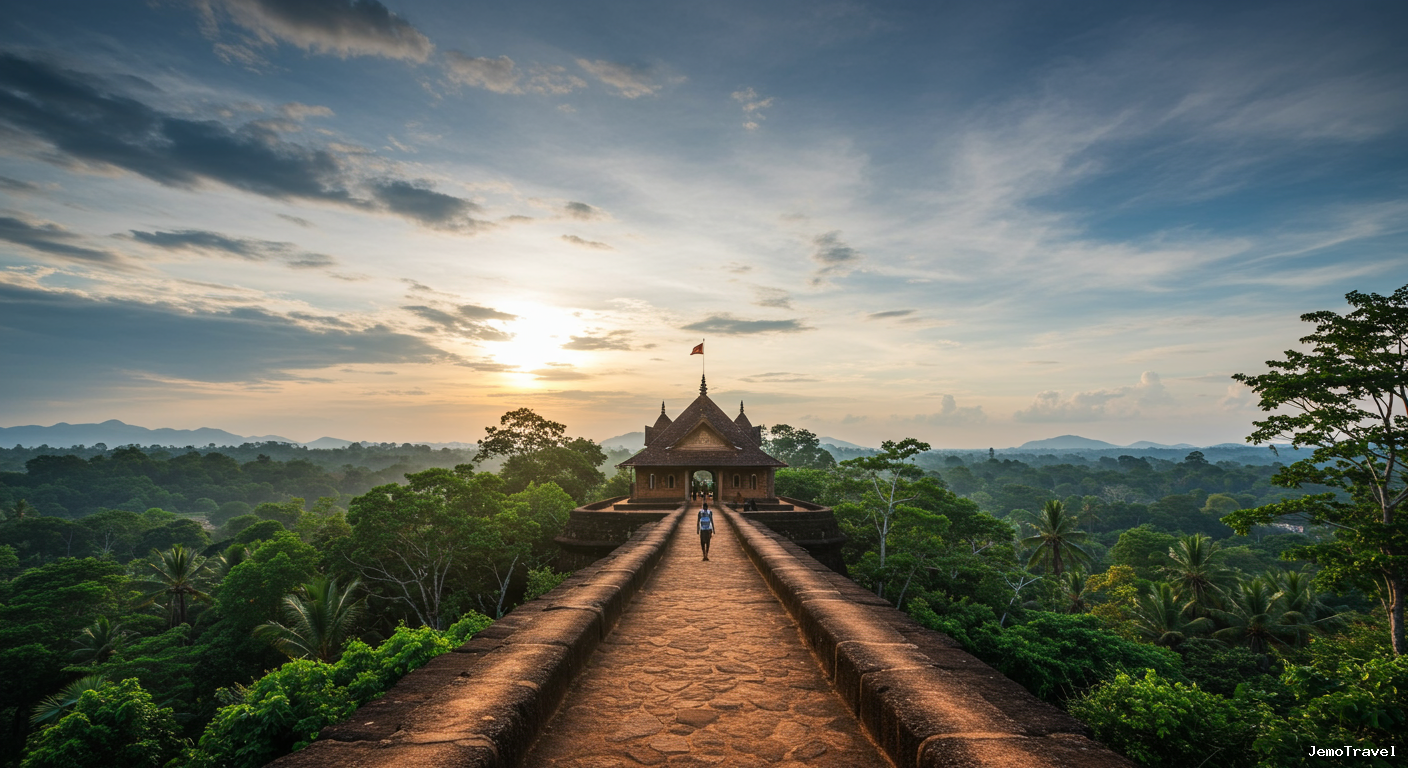
Welcome to Anuradhapura, the magnificent first capital of Sri Lanka and the cradle of Sinhalese civilization. A sprawling UNESCO World Heritage site, this sacred city is a journey back in time, offering a profound glimpse into the island's glorious past. [16, 24] For over a millennium, Anuradhapura stood as the political and religious heart of the nation, a center of power and a bastion of Theravada Buddhism. [11] Visitors today can wander through a vast archaeological park dotted with colossal dagobas (stupas) that pierce the sky, explore serene monasteries, and marvel at sophisticated ancient irrigation systems. The city's soul is palpable, especially at the revered Sri Maha Bodhi tree, the world's oldest historically documented tree. [5] A visit here is not just a tour of ruins; it’s an immersive experience into the history, art, and deep-rooted faith that shaped Sri Lanka.
History & Background
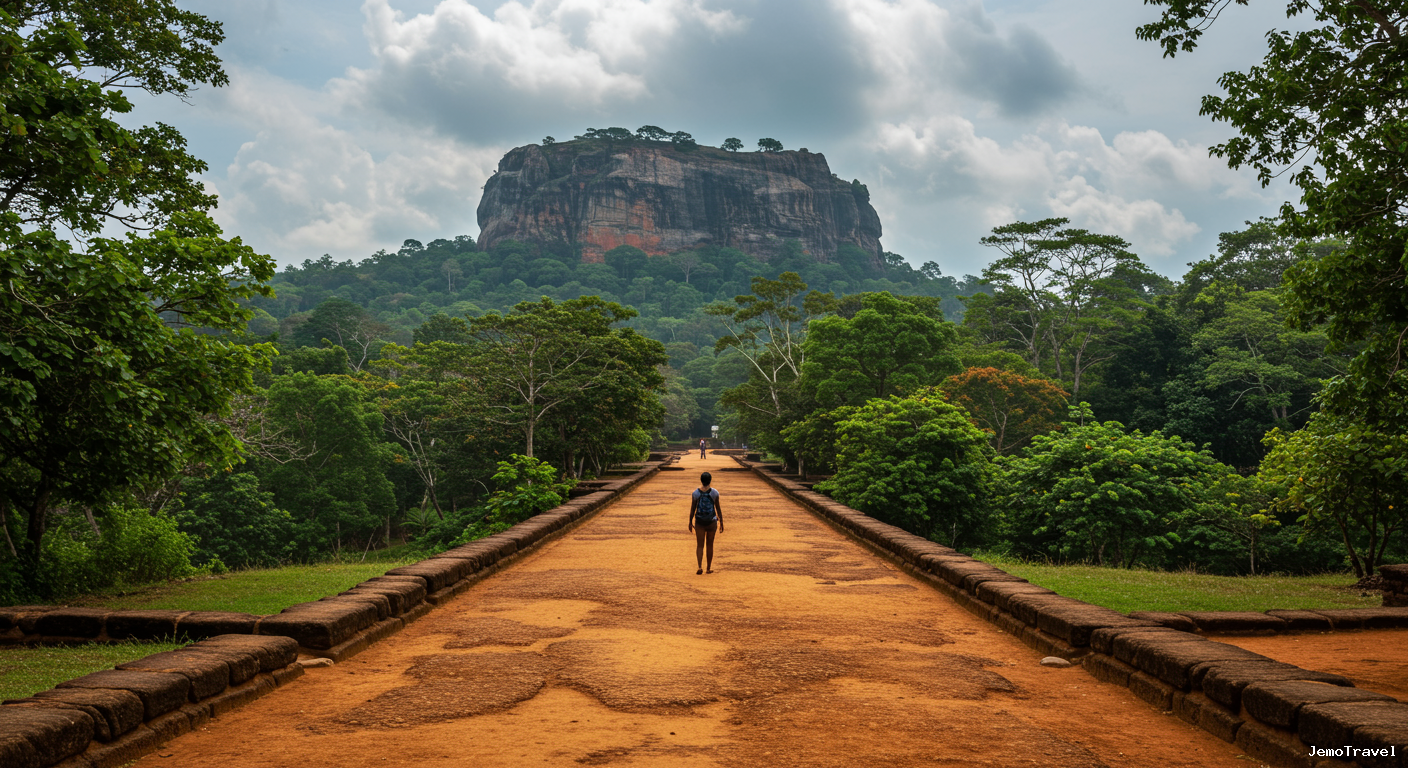
Anuradhapura's history is both long and illustrious, beginning with its formal establishment as Sri Lanka's capital by King Pandukabhaya in 377 BC. [3, 12] For approximately 1,400 years, it was the seat of power for 130 kings, evolving into a sophisticated urban center with remarkable achievements in engineering, architecture, and art. [16] The city's most transformative moment came in the 3rd century BC with the arrival of Buddhism, introduced by Mahinda, the son of Indian Emperor Ashoka. [12] This event heralded a golden age, marked by the construction of immense monastic complexes and towering stupas. King Devanampiya Tissa’s reign saw the planting of the Sri Maha Bodhi, a sapling from the very tree under which the Buddha attained enlightenment, solidifying the city's spiritual importance. [9, 24]
This era produced architectural marvels like the Ruwanwelisaya, built by the celebrated King Dutugemunu in the 2nd century BC after unifying the country. [8, 10] The city's engineers also created a vast network of man-made reservoirs, or 'wewa', which were crucial for sustaining its large population and supporting agriculture. However, Anuradhapura's long reign was punctuated by invasions from South India. The final blow came in 993 AD, when the Chola king Rajaraja I invaded and sacked the city, leading to its eventual abandonment in favor of Polonnaruwa. [7, 9] Lost to the jungle for centuries, the city's magnificent ruins were rediscovered in the 19th century and designated a UNESCO World Heritage site in 1982, recognizing their immense cultural and historical value. [3, 11]
What to See and Do
Exploring Anuradhapura's vast sacred landscape is an awe-inspiring experience, and renting a bicycle is the perfect way to navigate its many wonders. Begin your pilgrimage at the Sri Maha Bodhi, a sacred fig tree that grew from a cutting brought from Bodh Gaya, India, in the 3rd century BC. [5, 24] As the oldest living tree with a known planting date, it is a site of immense reverence, attracting white-clad pilgrims from all over the world who come to make offerings and chant prayers.
From there, witness the breathtaking scale of the city's stupas. The gleaming white dome of the Ruwanwelisaya is an unforgettable sight. Built by King Dutugemunu around 140 BC, this Great Stupa stands today at over 103 meters tall and is one of the most venerated sites for Buddhists, believed to enshrine the largest collection of the Buddha's relics. [8, 13] Equally impressive is the Jetavanaramaya, which, when constructed in the 3rd century AD, was the third tallest structure in the ancient world, its original height reaching 122 meters. [14, 21] This colossal brick monument is an engineering marvel that still astounds visitors with its sheer volume and grandeur. [15, 28]
The Abhayagiri Dagoba is another monumental stupa, once the centerpiece of a vast monastery that housed up to 5,000 monks. Don't miss the Samadhi Buddha statue, a 4th-century masterpiece of sculpture exuding an aura of profound peace and meditation. Finally, admire the artistry and advanced hydraulic engineering of the Kuttam Pokuna (Twin Ponds), a pair of exquisitely designed bathing pools used by the monks of the Abhayagiri monastery, showcasing the sophisticated craftsmanship of the ancient Sinhalese.
Best Time to Visit
Choosing the right time to visit Anuradhapura can significantly enhance your experience of exploring its sprawling outdoor ruins. The best and most popular period is during the dry season, which runs from May to September. During these months, you can expect plenty of sunshine and minimal rainfall, creating ideal conditions for cycling and walking around the vast archaeological park. [22, 23] Temperatures typically range from a warm 30°C to 34°C, so it's advisable to plan your sightseeing for the cooler morning and late afternoon hours to avoid the midday heat.
The period from October to January marks the northeast monsoon, which brings heavier rainfall. While this can sometimes interrupt outdoor activities, the landscape becomes incredibly lush and green, and the sites are generally less crowded. For a truly unique cultural immersion, consider visiting during the Poson Poya festival in June. [22] This vibrant festival celebrates the introduction of Buddhism to Sri Lanka and sees the city come alive with pilgrims, lanterns, and religious ceremonies, offering an unforgettable, though busy, spiritual experience.
How to Get There
Anuradhapura is a major city in Sri Lanka's North Central Province and is well-connected to the rest of the country. [3] From the capital, Colombo, several convenient travel options are available. The train journey is a scenic and popular choice, taking approximately 3.5 to 4.5 hours from Colombo Fort station and offering a comfortable way to see the countryside. [4] There are several services throughout the day, including air-conditioned carriages for added comfort. Alternatively, hiring a private car or taxi provides flexibility and a direct route, with the drive from Colombo taking around 4 to 5 hours, covering a distance of about 205 kilometers. [3]
For budget-conscious travelers, intercity buses are a frequent and economical option, departing from the Colombo Bastian Mawatha Bus Terminal. [4] Both A/C and non-A/C buses are available, with the journey taking approximately 5 to 6 hours. [17] Anuradhapura is also easily accessible from other key tourist hubs in the Cultural Triangle, such as Dambulla (around 1.5-2 hours by road) and Polonnaruwa (around 2-3 hours). To ensure a hassle-free journey, JEMO TRIP & TOUR can arrange all your transportation needs, allowing you to relax and anticipate the wonders ahead.
Travel Tips & Recommendations
To make the most of your visit to Anuradhapura, a little preparation goes a long way. As you will be visiting many sacred religious sites, a strict dress code is observed. Ensure you wear modest clothing that covers your shoulders and knees. You will be required to remove your shoes and any headwear before entering temples and stupa premises. The ground can get very hot under the sun, so carrying a pair of thick socks to wear while walking around the sacred areas is a practical insider tip.
The archaeological park is vast, and the Sri Lankan sun can be intense. It is essential to bring sun protection, including a wide-brimmed hat, sunglasses, and high-SPF sunscreen. Staying hydrated is crucial, so carry a reusable water bottle. Comfortable walking shoes are a must. Given the large distances between sites, renting a bicycle is the most popular and enjoyable way to explore the ancient city at your own pace. Many guesthouses and local shops offer bike rentals for a small daily fee.
Conclusion
A journey to Anuradhapura is more than just a trip; it's a pilgrimage to the very heart of Sri Lanka's cultural and spiritual identity. Walking amongst its colossal stupas and ancient monasteries offers a profound connection to a glorious past. Let the history and serenity of this sacred city captivate you. Contact JEMO TRIP & TOUR today, and let our experts craft an unforgettable itinerary for your historical adventure into the magnificent first kingdom of Sri Lanka.
Related Articles
The Spicy Secret: Tracing Ceylon Cinnamon's Origins in Sri Lanka
Uncover the rich history of Ceylon Cinnamon, the world's most prized spice. Journey through Sri Lank...
Read More
Sigiriya Lion Rock: A Guide to Sri Lanka's Ancient Fortress
Discover the awe-inspiring Sigiriya Lion Rock, a UNESCO World Heritage site in Sri Lanka. Climb the...
Read More
Nuwara Eliya, Sri Lanka: A Guide to 'Little England's' Charms
Discover Nuwara Eliya, Sri Lanka's 'Little England.' Explore lush tea plantations, colonial architec...
Read More