
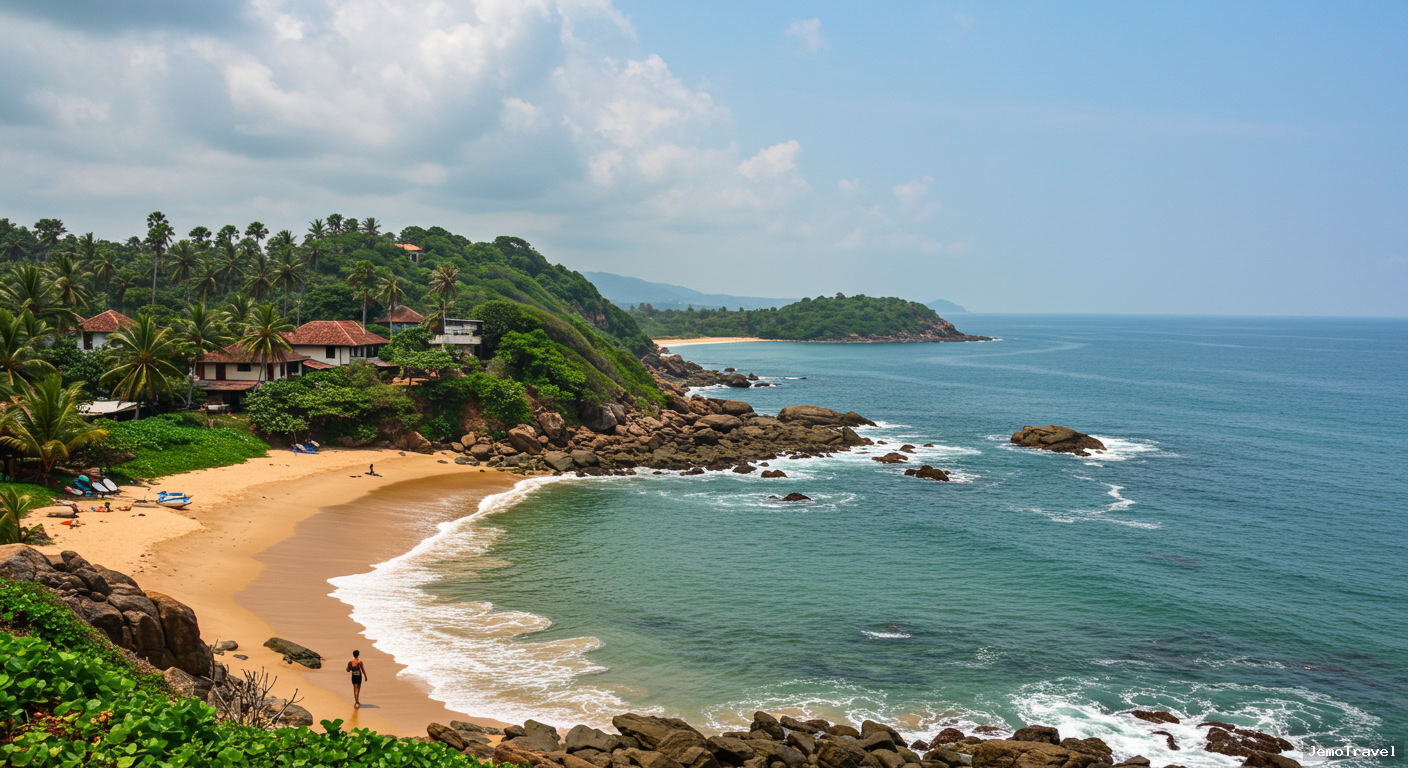
Sri Lanka's Golden Coast: A Guide to the Most Beautiful Beaches
Discover Sri Lanka's stunning coastline, from the surf havens of Arugam Bay to the tranquil shores of Mirissa. Your ultimate beach getaway awaits.
Introduction
Welcome to the teardrop isle, a paradise where over 1,340 kilometers of breathtaking coastline meet the turquoise waters of the Indian Ocean. Sri Lanka’s beaches are not just stretches of sand; they are vibrant tapestries of culture, adventure, and serenity. From the palm-fringed golden arcs of the south to the world-class surf breaks on the east coast, the island offers a coastal experience for every type of traveler. Imagine witnessing the world's largest mammal, the blue whale, off the coast of Mirissa, learning to ride the waves in Arugam Bay, or simply relaxing under a swaying palm tree in a secluded cove. The sheer diversity is what makes a Sri Lankan beach holiday so special. Visitors can expect sun-drenched days, incredibly fresh seafood, warm hospitality, and a landscape that shifts from bustling beach towns to untouched natural beauty. This is your definitive guide to discovering that perfect slice of coastal heaven.
History & Background
The story of Sri Lanka's beaches is deeply intertwined with the island's history as a crucial hub on ancient maritime silk roads. For centuries, its natural harbors and strategic location attracted traders from Arabia, Persia, and China. Coastal cities like Galle, a UNESCO World Heritage Site, stand as a testament to this era. The magnificent Galle Fort, originally built by the Portuguese in the 16th century and later extensively fortified by the Dutch in the 17th century, overlooks the ocean and tells a story of colonial ambition and global trade. These European powers vied for control of the island's lucrative spice trade, leaving behind a legacy of unique architecture and culture that still defines coastal towns.
Beyond trade and conflict, the coastline has always been the lifeblood for local communities. The traditional practice of stilt fishing, a picturesque method developed in the mid-20th century around towns like Koggala and Weligama, showcases a unique adaptation to the coastal environment. The devastating 2004 Indian Ocean tsunami was a pivotal event that reshaped both the physical and social landscape of the coast. However, the incredible resilience of the Sri Lankan people led to a period of rebuilding and revitalization, making the vibrant coastal life you see today even more poignant and remarkable.
What to See and Do
A journey along Sri Lanka's coast is an adventure packed with diverse activities and stunning sights. The southern coast is a traveler's dream. Head to Mirissa, the island's premier whale-watching destination. From November to April, you can embark on a boat tour to witness majestic blue whales and playful dolphins. Nearby, Unawatuna Beach offers a sheltered, crescent-shaped bay with calm, turquoise waters perfect for swimming and families. For a dose of culture, climb the nearby Japanese Peace Pagoda for panoramic views of the ocean and the historic Galle Fort.
Further along the south coast, between Weligama and Koggala, you can witness the iconic stilt fishermen. While now more of a paid photo opportunity, it’s a unique glimpse into a traditional practice. For those seeking a more active holiday, Bentota is the watersports capital. Here, the Bentota Ganga river meets the sea, creating ideal conditions for jet skiing, windsurfing, and banana boat rides. It’s a hub of luxury resorts and professional watersport centers, making it perfect for an adrenaline-filled day.
The eastern coast, which comes alive from May to September, offers a completely different vibe. Arugam Bay is a world-renowned surfing mecca, attracting surfers of all levels to its famous right-hand point break. Beginners can take lessons at gentler spots like Baby Point, while seasoned pros can tackle the main break. Just a short tuk-tuk ride away are more secluded surf spots like Peanut Farm and Elephant Rock. North of Arugam Bay, the beaches of Trincomalee, such as Nilaveli and Uppuveli, boast pristine white sand and exceptionally clear water, making them ideal for snorkeling and diving, especially around the famous Pigeon Island National Park.
Best Time to Visit
Sri Lanka's unique dual monsoon climate means there is always a sunny beach waiting to be discovered, no matter the time of year. The key is to know which coast to visit. For the popular southern and western coastlines—home to beaches like Mirissa, Unawatuna, and Bentota—the best time to visit is during the dry season, from December to April. During these months, you can expect clear blue skies, calm seas perfect for swimming and whale watching, and average temperatures hovering around a pleasant 29°C (84°F).
Conversely, if you are planning to visit the eastern coast, including surf paradise Arugam Bay and the tranquil shores of Trincomalee, the ideal window is from May to September. This period coincides with the Yala monsoon in the southwest, leaving the east coast dry, sunny, and with a refreshing ocean breeze. This is also the peak surfing season in Arugam Bay, when the swells are at their best. Visiting during these optimal times ensures you experience Sri Lanka’s beaches at their absolute finest, maximizing sunshine and minimizing rainfall.
How to Get There
Your journey to Sri Lanka's beautiful beaches will begin at Bandaranaike International Airport (CMB), located near Colombo. From there, reaching the southern coast is both efficient and scenic. The most convenient option is a private transfer arranged by JEMO TRIP & TOUR, which utilizes the Southern Expressway (E01). This modern highway can get you to Galle in approximately 2 hours and to Mirissa or Weligama in under 3 hours, offering a comfortable and swift journey. For a more picturesque and budget-friendly experience, the coastal train line from Colombo Fort to Matara is a must-do. The tracks run right alongside the ocean, providing breathtaking views of the coastline.
Reaching the eastern coast, including Arugam Bay and Trincomalee, requires a longer journey. A private vehicle is a popular choice, with the drive from Colombo taking around 6-8 hours. Alternatively, for those short on time, domestic flights are available from Colombo to airports in Trincomalee (TRR) and Batticaloa (BTC), significantly cutting down travel time. Once you arrive, local travel is easily managed via the ubiquitous three-wheeled tuk-tuks, which are perfect for short hops between beaches and towns.
Travel Tips & Recommendations
To make the most of your Sri Lankan beach adventure, a little preparation goes a long way. Pack light, breathable clothing made of cotton or linen to stay comfortable in the tropical climate. Essential items include high-SPF sunscreen, a wide-brimmed hat, sunglasses, and a strong insect repellent, especially for evenings. A reusable water bottle is an eco-friendly choice to stay hydrated; you can refill it with bottled or filtered water. Don't forget your swimwear and a quick-dry towel for spontaneous dips in the ocean.
When exploring, always respect local culture by dressing modestly when visiting temples or walking through villages away from the immediate beach area. Be mindful of ocean currents, which can be strong; always look for warning flags and swim in designated areas. For a truly local experience, stop at a roadside stall and try the refreshing water of a king coconut (thambili) – it's the perfect natural hydrator. Lastly, embrace the relaxed pace of life; things often move on 'Sri Lankan time', so sit back and enjoy the journey.
Conclusion
From the epic whale migrations in the south to the legendary surf of the east, Sri Lanka's coastline is a treasure trove of unforgettable experiences. Each beach has its own unique character, promising golden sands, azure waters, and the warmest of welcomes. This is more than just a holiday; it's an opportunity to connect with nature, culture, and adventure. Let JEMO TRIP & TOUR craft your perfect beach itinerary. Contact us today, and let’s start planning your dream getaway to the paradise shores of Sri Lanka.
Related Articles
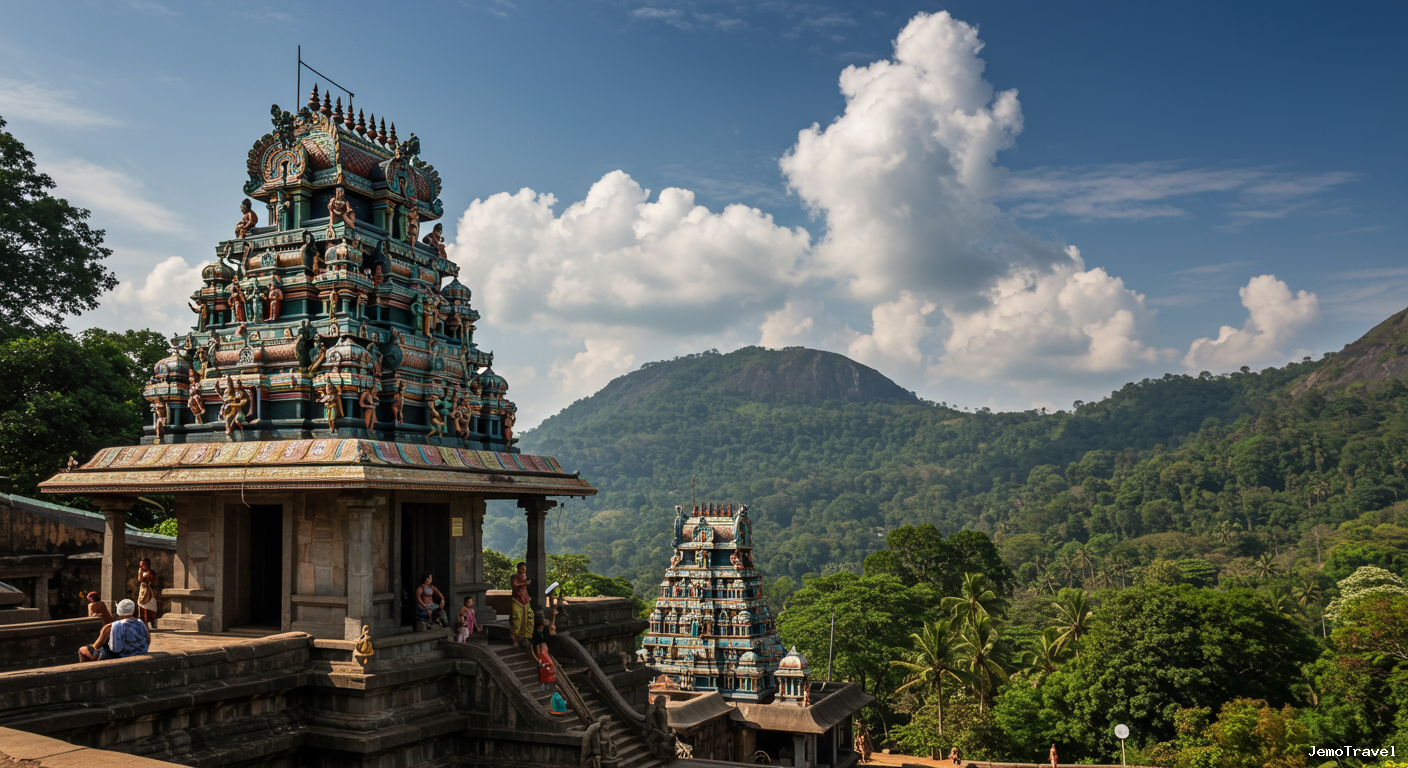
Seetha Amman Kovil: A Divine Ramayana Legend in Sri Lanka's Hills
Explore the Seetha Amman Kovil in Nuwara Eliya, a sacred site from the Ramayana epic. Discover where...
Read More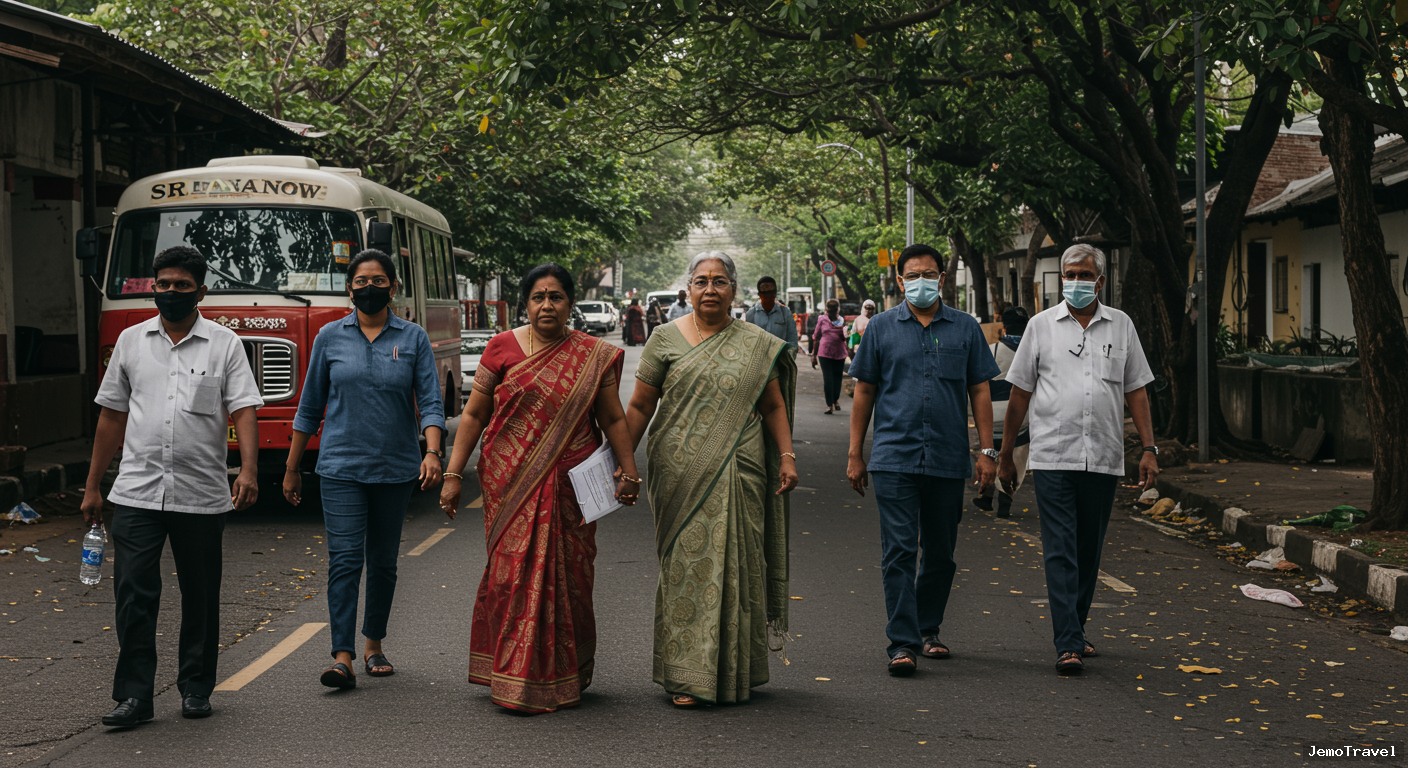
Sri Lanka Now: Cautious Recovery Navigates Post-Crisis Reforms
Sri Lanka shows signs of economic stabilization after its 2022 collapse, but high taxes and tough IM...
Read More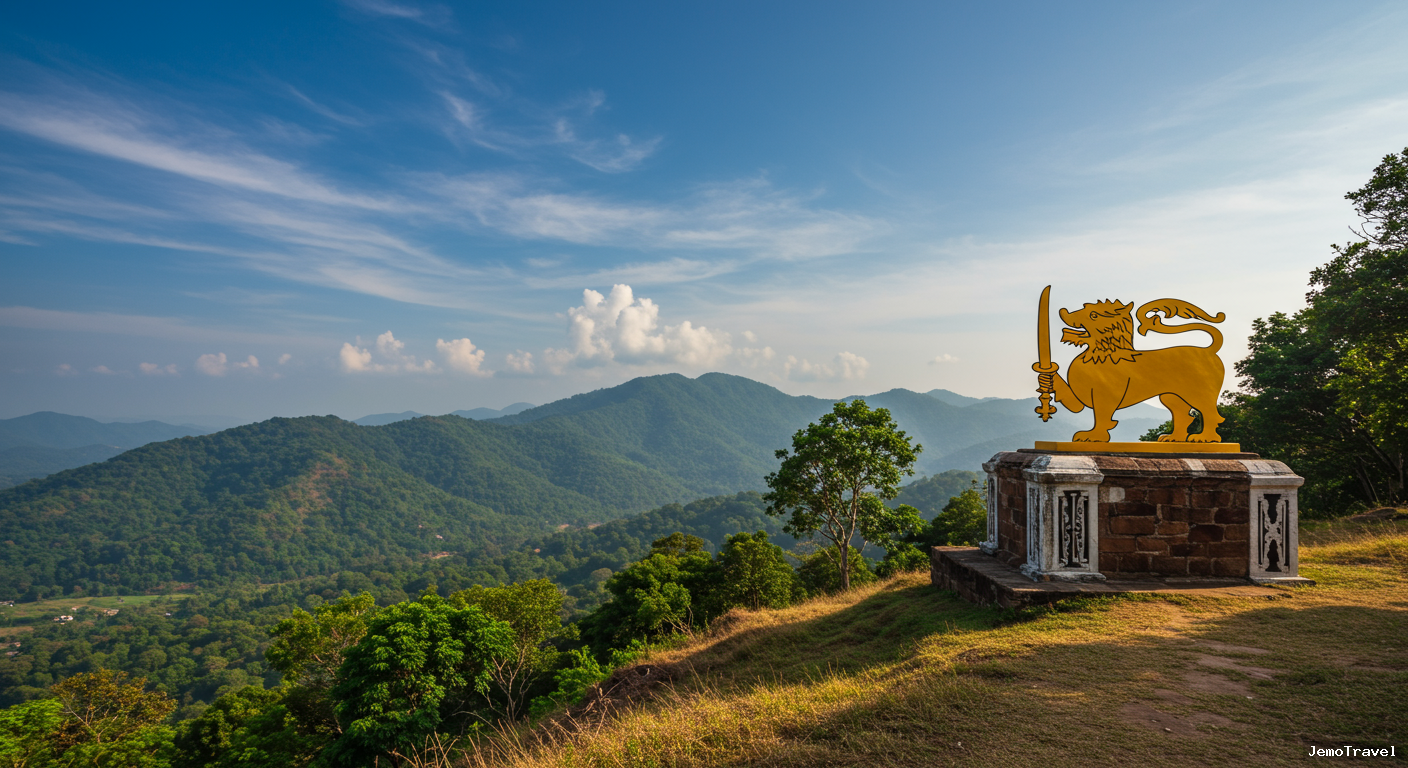
The Lion Flag of Sri Lanka: A Symbol of Unity and Pride
Discover the rich history and deep symbolism of the Sri Lankan flag. Learn what each element represe...
Read More