
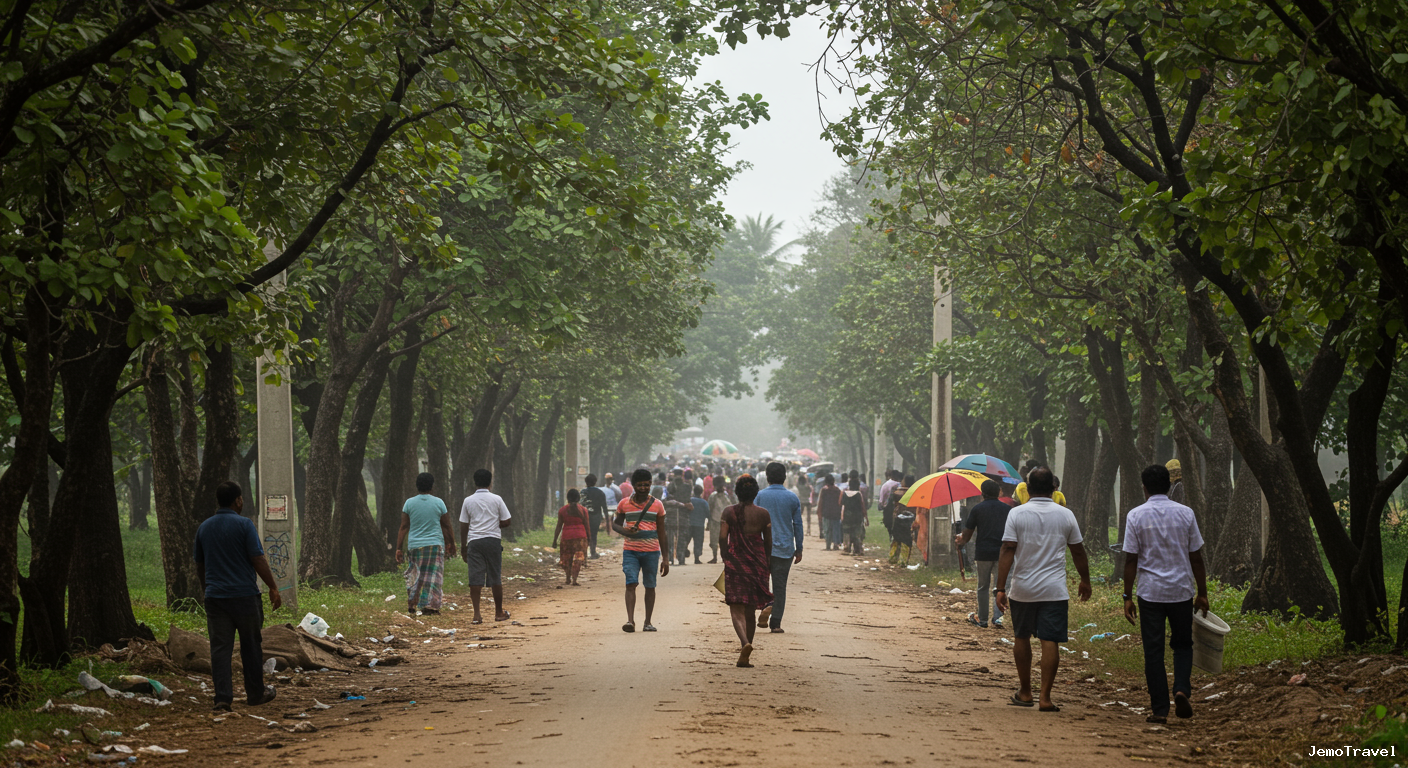
Cyclone Ditwah Hits Sri Lanka: At Least 600 Dead, Thousands Displaced
Cyclone Ditwah has caused widespread devastation across Sri Lanka's northern and eastern provinces, leaving at least 600 dead and displacing over 250,000 people. Rescue efforts are underway.
Introduction
Cyclone Ditwah, a severe cyclonic storm, has carved a path of destruction across Sri Lanka’s northern and eastern provinces, leaving a tragic toll of at least 18 people dead and dozens more missing. The storm, which made landfall late Tuesday night near the port city of Trincomalee, brought with it torrential rains and ferocious winds exceeding 120 km/h, triggering widespread flooding and landslides. Over a quarter of a million people have been forced from their homes, seeking refuge in temporary shelters as rescue teams scramble to reach isolated communities. The government has declared a state of disaster in the hardest-hit regions as the nation grapples with the immediate aftermath of one of the most powerful storms to strike the island in recent years, compounding the challenges faced by a country already navigating a severe economic crisis.
Background & Context
Sri Lanka's geographical position in the Bay of Bengal makes it inherently vulnerable to tropical cyclones, particularly during the northeast monsoon season, which typically spans from December to February. Historically, the island nation has faced numerous such weather events, with the northern and eastern coasts bearing the brunt of their force. This region's vulnerability is a recurring theme in the country's climatic history. The memory of Cyclone Burevi in December 2020, which also impacted the northern provinces, is still fresh in the minds of many residents, highlighting a pattern of recurring natural disasters that test the nation's preparedness and resilience. These events often result in significant damage to agriculture, fisheries, and local infrastructure.
Furthermore, many of the areas most affected by Cyclone Ditwah are regions that are still recovering from decades of civil conflict. Infrastructure in these parts of the country, including housing, road networks, and irrigation systems, is often less robust than in more developed southern and western provinces. This pre-existing vulnerability means that the impact of a powerful storm like Ditwah is often magnified, leading to more extensive damage and a more challenging and prolonged recovery process for communities that have already faced immense hardship. The disaster strikes at a time when Sri Lanka is navigating its worst economic crisis since independence, with limited state resources to allocate towards large-scale reconstruction and relief efforts, making the situation particularly dire.
Current Situation & Details
The Disaster Management Centre (DMC) has confirmed that as of Thursday morning, the official death toll stands at 18, with search and rescue operations ongoing for at least 30 individuals reported missing, primarily in the Mullaitivu and Kilinochchi districts. The Department of Meteorology reported that Cyclone Ditwah made landfall with sustained wind speeds of 115-125 km/h, gusting up to 140 km/h. Some areas in the Northern Province received over 300mm of rainfall within a 24-hour period, leading to the rapid overflow of reservoirs and irrigation tanks, which has exacerbated the flooding. Key transportation arteries, including sections of the A9 highway connecting Jaffna to the rest of the country, have been rendered impassable by floodwaters and fallen trees, severely hampering relief efforts.
Major districts including Jaffna, Mullaitivu, Trincomalee, and Batticaloa are reporting catastrophic damage. Widespread power outages are affecting over 500,000 households, with utility crews unable to access damaged lines in many flooded areas. A spokesperson for the DMC, Pradeep Kodippili, stated in a press briefing, "Our primary focus is on search and rescue and providing immediate relief to the displaced. We have deployed military personnel with boats and helicopters to evacuate stranded civilians, but the continued rainfall is a significant challenge." The Sri Lanka Navy and Air Force are actively involved in air-dropping food packets and essentials to communities that have been completely cut off by the floods.
Thousands of homes have been completely destroyed or severely damaged, and preliminary assessments indicate that the agricultural sector, the backbone of the rural economy in these regions, has suffered a devastating blow. Vast areas of paddy fields, ready for harvest, are now submerged, and the fishing industry has been brought to a complete standstill, with hundreds of boats damaged or lost. The full extent of the damage is still being assessed, but initial reports from district secretariats paint a grim picture of widespread destruction and humanitarian need.
Impact & Consequences
The immediate impact of Cyclone Ditwah has been devastating. The loss of at least 18 lives and the displacement of over 250,000 people underscore the severe human cost of this disaster. These displaced families are now housed in over 300 temporary shelters, mostly in schools and community halls, where conditions are becoming increasingly strained. The long-term consequences for these communities are profound. The destruction of homes and livelihoods, particularly in agriculture and fishing, threatens to push thousands of families deeper into poverty, erasing years of economic progress. The psychological trauma of the event, especially for children and those who have lost family members, will be a lasting scar.
Economically, the cyclone is a major blow to a nation already on fragile footing. Initial estimates from the Ministry of Finance project the infrastructure damage to exceed LKR 20 billion (approximately USD 60 million), a figure expected to rise as more detailed assessments are completed. The cost of rebuilding roads, bridges, power lines, and public buildings, combined with the loss of agricultural output, will place immense pressure on the national budget. This disaster could potentially divert crucial funds, including those from recent IMF packages, from economic stabilization programs to immediate humanitarian and reconstruction needs, complicating the country's path to recovery.
Response & Relief Efforts
The Government of Sri Lanka has mobilized a full-scale emergency response. President Ranil Wickremesinghe has directed all relevant agencies to prioritize relief efforts and has allocated an initial LKR 2 billion from the national disaster fund for immediate needs. The Tri-Forces—the Sri Lanka Army, Navy, and Air Force—are at the forefront of the rescue and relief operations, utilizing helicopters and inflatable boats to evacuate stranded individuals and deliver essential supplies like dry rations, clean drinking water, and medical kits. The Disaster Management Centre (DMC) is coordinating the efforts of various government bodies and non-governmental organizations on the ground.
National and international NGOs, including the Sri Lanka Red Cross Society and Sarvodaya, have been quick to respond, deploying volunteers and distributing aid packages. The government has made a formal appeal for international assistance to support the long-term recovery and rebuilding process. Discussions are underway to potentially reallocate a portion of the existing IMF Extended Fund Facility to address the urgent economic fallout from the cyclone. International partners have expressed their solidarity, and several countries have pledged to provide financial and material support to help Sri Lanka navigate this crisis and rebuild the shattered communities in the affected northern and eastern regions.
Conclusion & Outlook
As the rains from Cyclone Ditwah begin to recede, the true scale of its devastating impact on Sri Lanka is becoming tragically clear. While immediate search and rescue operations remain the top priority, the focus will soon shift to the monumental task of recovery and reconstruction. The government and aid agencies face the immense challenge of providing shelter, food, and healthcare to hundreds of thousands of displaced people. The road ahead is long, requiring sustained national effort and significant international support to rebuild not just infrastructure, but also the lives and livelihoods shattered by the storm.
Related Articles
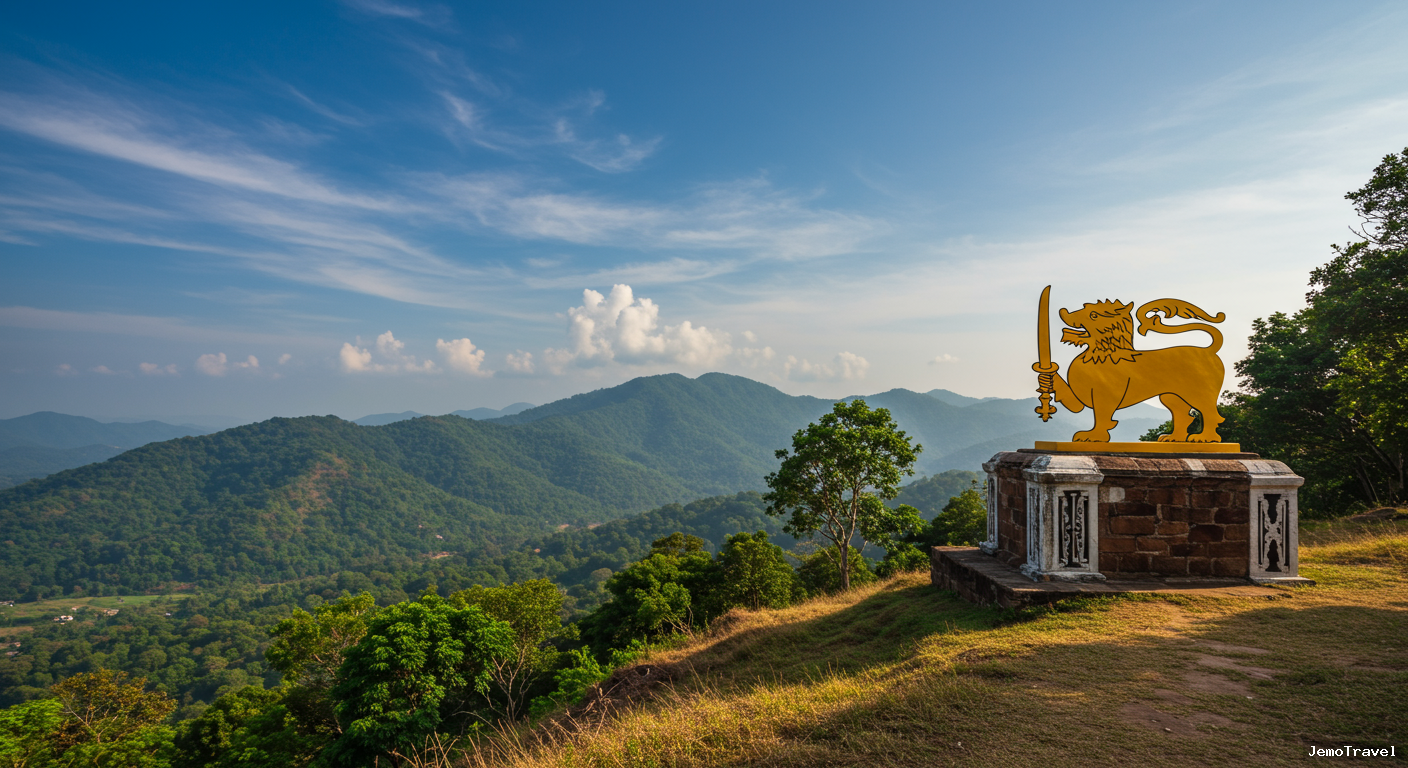
The Lion Flag of Sri Lanka: A Symbol of Unity and Pride
Discover the rich history and deep symbolism of the Sri Lankan flag. Learn what each element represe...
Read More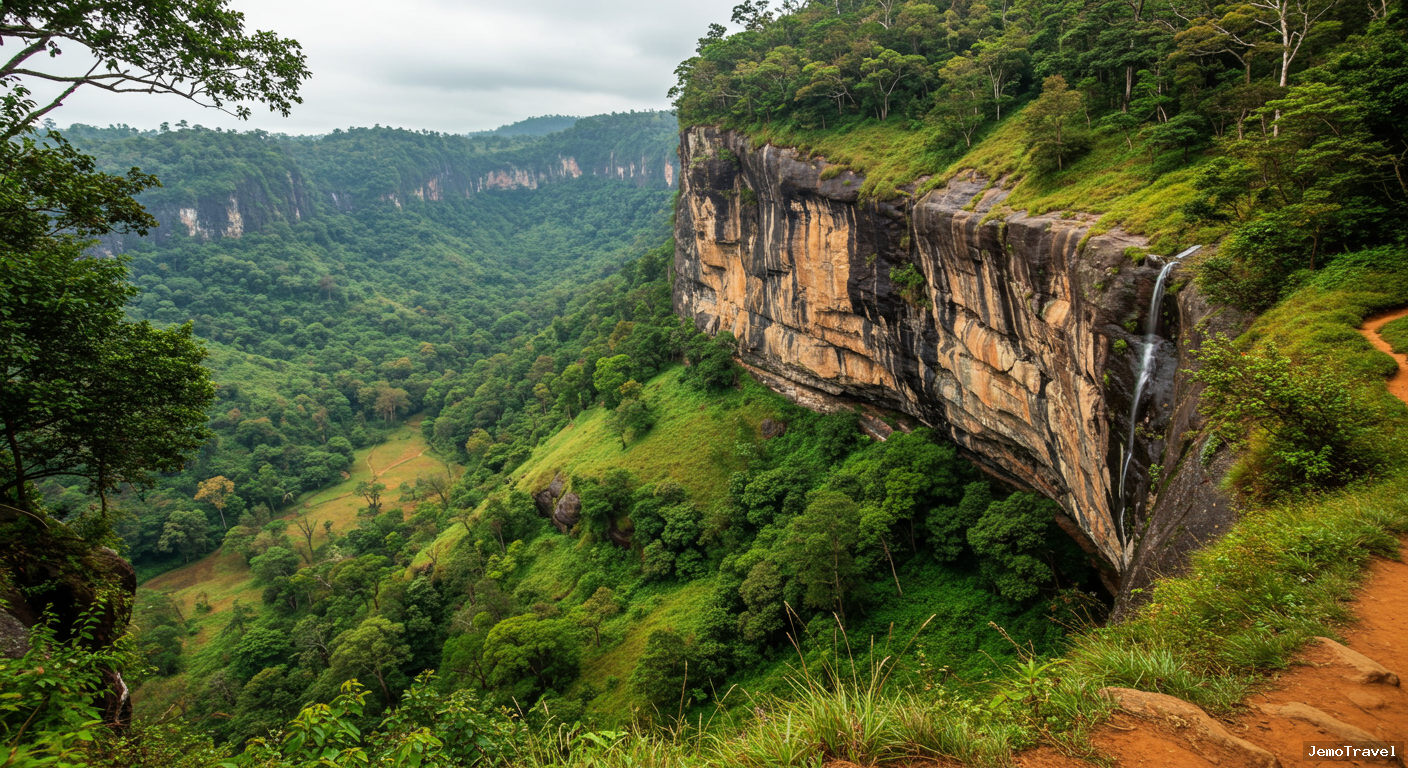
Belihul Oya: Sri Lanka's Hidden Eco-Adventure Paradise
Discover Belihul Oya, a breathtaking destination where Sri Lanka's wet and dry zones meet. Explore l...
Read More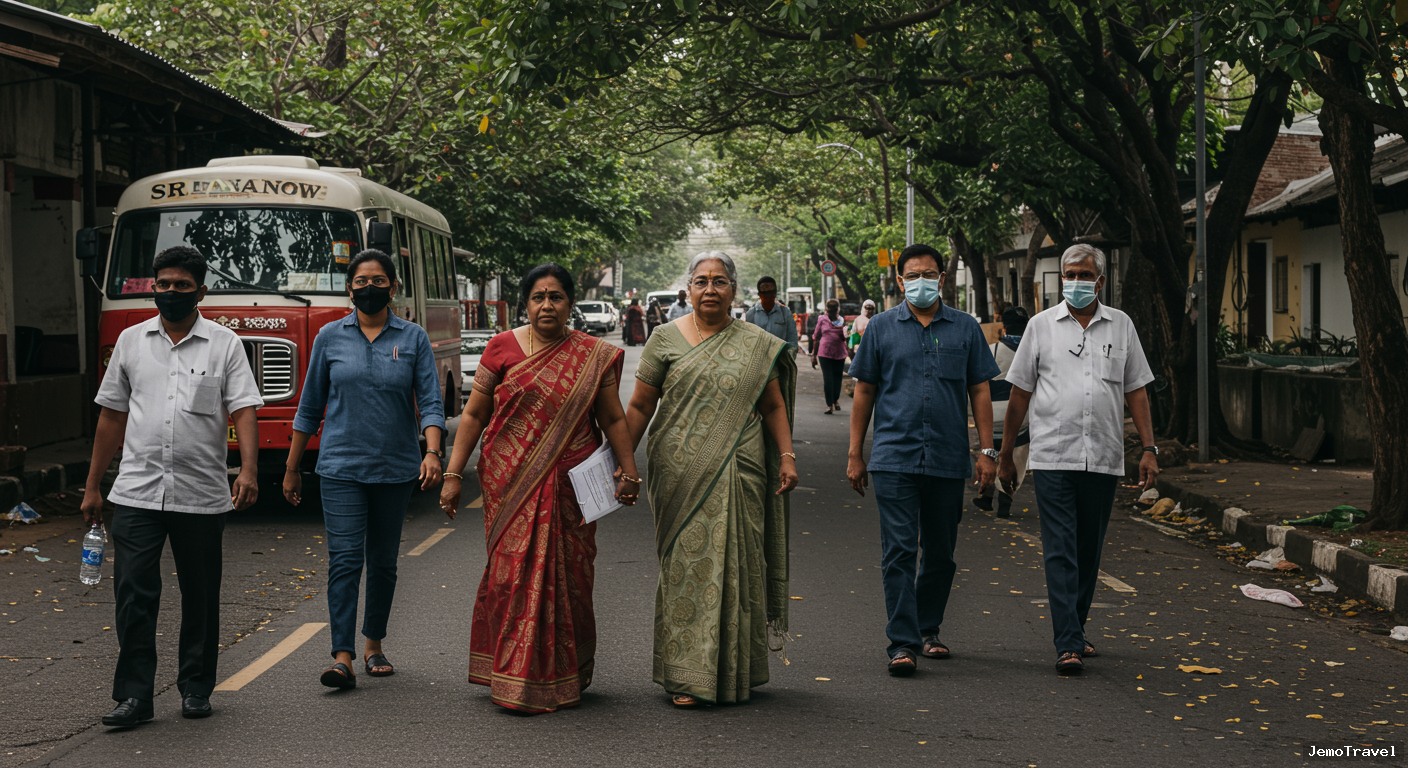
Sri Lanka Now: Cautious Recovery Navigates Post-Crisis Reforms
Sri Lanka shows signs of economic stabilization after its 2022 collapse, but high taxes and tough IM...
Read More