
Galle, Sri Lanka: A Timeless Journey Through a Colonial Masterpiece
Discover the UNESCO World Heritage site of Galle Fort in Sri Lanka. Explore its cobblestone streets, colonial history, and stunning coastal views with our complete guide.
Introduction
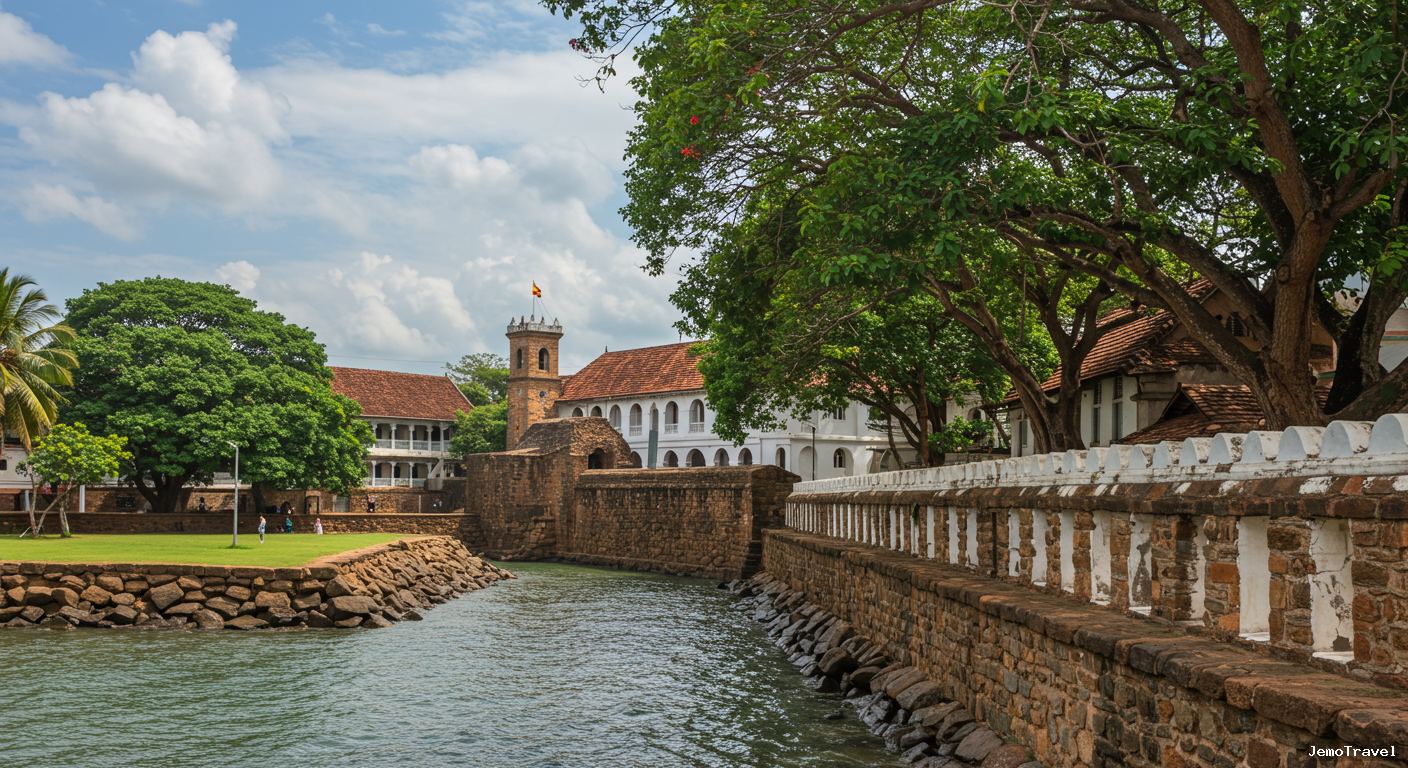
Nestled on Sri Lanka’s sun-drenched southern coast, Galle is a city where history breathes through every stone and sea breeze. More than just a destination, it's a journey back in time. The city’s crown jewel is the magnificent Galle Fort, a 16th-century colonial fortress recognized as a UNESCO World Heritage Site. This living monument is a captivating fusion of European architectural styles and South Asian traditions, enclosed by formidable stone ramparts that have withstood centuries of storms and sieges. Within its walls, a tranquil world unfolds with cobblestone lanes, Dutch-colonial mansions draped in bougainvillea, chic boutique hotels, and art galleries. Visitors can expect to wander aimlessly for hours, discovering hidden courtyards, historic churches, and panoramic ocean vistas from the fort’s bastions. Galle offers an enchanting experience, blending rich history with a vibrant, contemporary culture, making it an unmissable stop on any Sri Lankan itinerary.
History & Background
The story of Galle is as deep and vast as the Indian Ocean it overlooks. Long before European colonization, Galle was a significant international port, with some historians suggesting it was the ancient city of Tarshish from biblical tales. Its modern history, however, was shaped by three successive colonial powers. The Portuguese were the first to arrive in 1505, constructing a modest fort they named Santa Cruz. Their rule gave way to the Dutch in 1640, who seized control and began a monumental construction project. Over the next century, the Dutch systematically fortified the peninsula, building the massive stone ramparts, bastions, and the grid of streets that define the Galle Fort we see today. They transformed it into their primary administrative hub in Sri Lanka.
In 1796, the fort was peacefully handed over to the British, who made several modifications, including the construction of the main gate and the iconic clock tower, but wisely preserved the core Dutch architecture. This preservation was key to its enduring legacy. The fort survived the devastating 2004 Indian Ocean tsunami largely unscathed, a testament to the remarkable engineering of its 17th-century builders. In 1988, UNESCO recognized the Galle Fort as a World Heritage Site, citing it as “the best example of a fortified city built by Europeans in South and South-East Asia, showing the interaction between European architectural styles and South Asian traditions.” Today, it stands as a living museum, its walls enclosing a vibrant, multicultural community.
What to See and Do
Galle Fort is a treasure trove of sights and experiences, best explored on foot. The most essential activity is walking the full circuit of the fort's ramparts. This journey offers breathtaking, uninterrupted views of the Indian Ocean on one side and the charming, red-tiled rooftops of the old town on the other. Start near the Old Gate, pass the iconic Galle Lighthouse standing sentinel over Point Utrecht Bastion, and make your way to Flag Rock Bastion, the southernmost point. This spot is legendary for its sunset views and the daring local cliff divers who plunge into the waters below. Don’t miss the stately Galle Clock Tower, a British addition from 1883 that overlooks the central Moon Bastion.
Delve into the narrow laneways like Pedlar Street and Lighthouse Street, which are lined with beautifully preserved Dutch-era buildings. These structures now house an eclectic mix of art galleries, quirky souvenir shops, and delightful cafes perfect for a midday break. History enthusiasts must visit the Dutch Reformed Church (Groote Kerk), originally built in 1755, which features an ornate pulpit and fascinating gravestones embedded in its floors. Nearby, the National Maritime Archaeology Museum, housed in a former Dutch warehouse, offers insights into the island's rich seafaring history. The striking white Meera Mosque, with its unique blend of baroque, British, and Islamic architectural elements, adds another layer to the fort's diverse cultural fabric. Simply getting lost in these atmospheric streets is an activity in itself, with a new discovery waiting around every corner.
Best Time to Visit
Planning your visit to Galle around the weather will significantly enhance your experience. The best time to travel to this coastal gem is during its main dry season, which runs from December to April. During these months, you can expect clear blue skies, abundant sunshine, and calm seas, with average temperatures hovering around a pleasant 29-31°C (84-88°F). This period is perfect for walking the fort walls, exploring the city, and enjoying the nearby beaches without the interruption of rain. It is also the peak tourist season, so booking accommodation and tours in advance with JEMO TRIP & TOUR is highly recommended.
Sri Lanka experiences two monsoon seasons, and Galle is affected by both. The primary southwest 'Yala' monsoon brings heavier rainfall from May to August, while the northeast 'Maha' monsoon from October to November is typically less intense. While travel is still possible during these shoulder months, be prepared for occasional downpours and higher humidity. A key event to consider is the Galle Literary Festival, an internationally acclaimed event that usually takes place in January, drawing authors and literary fans from around the globe and adding a unique cultural buzz to the city.
How to Get There
Galle is conveniently located on Sri Lanka’s southern coast and is easily accessible from the capital, Colombo, and Bandaranaike International Airport (CMB). The most scenic and popular way to travel is by train. The coastal railway line from Colombo Fort station to Galle offers spectacular views of the Indian Ocean, with the journey taking approximately 2.5 to 3 hours. It’s an iconic Sri Lankan experience, though trains can be crowded, so booking a seat in a first or second-class carriage is advisable.
The fastest route is by road via the Southern Expressway (E01). Hiring a private car or a taxi from the airport or Colombo will get you to Galle in about 2 hours, depending on traffic. This is a comfortable and efficient option, which JEMO TRIP & TOUR can seamlessly arrange for you. For budget-conscious travelers, air-conditioned expressway buses depart regularly from Makumbura Multimodal Centre in Colombo and offer a direct, affordable service that also takes around 2 hours. Local, non-expressway buses also ply the coastal Galle Road, but this journey is significantly longer and less comfortable.
Travel Tips & Recommendations
To make the most of your time in Galle, pack light, breathable clothing made from cotton or linen to stay comfortable in the tropical climate. A pair of sturdy, comfortable walking shoes is essential for navigating the cobblestone streets and uneven ramparts of the fort. Don't forget sun protection essentials: a wide-brimmed hat, sunglasses, and high-SPF sunscreen are non-negotiable. It's also wise to carry a reusable water bottle to stay hydrated and reduce plastic waste. The currency is the Sri Lankan Rupee (LKR), and while many boutiques and restaurants accept credit cards, it's useful to have cash for smaller purchases.
When visiting religious sites like the Dutch Reformed Church or the Meera Mosque, remember to dress modestly by covering your shoulders and knees as a sign of respect. An insider tip is to explore the fort early in the morning or in the late afternoon to avoid the intense midday sun and the largest crowds. The entire fort area is compact and highly walkable, so take your time, wander without a strict plan, and allow yourself to be charmed by its historic atmosphere and friendly locals.
Conclusion
Galle is not just a city; it is a storybook brought to life. Its formidable ramparts, colonial-era streets, and stunning ocean backdrop create an atmosphere of timeless romance and adventure. From its rich history to its vibrant modern-day culture, Galle offers a unique and unforgettable experience for every traveler. Ready to walk the walls of this UNESCO masterpiece? Contact JEMO TRIP & TOUR today, and let our experts craft your perfect Sri Lankan journey to the heart of Galle.
Related Articles
Cyclone Ditwah Hits Sri Lanka: At Least 600 Dead, Thousands Displaced
Cyclone Ditwah has caused widespread devastation across Sri Lanka's northern and eastern provinces,...
Read More
Udawattekele Sanctuary: Kandy's Royal Forest in Sri Lanka
Discover Udawattekele Sanctuary, Kandy's ancient royal forest. Explore lush trails, see rare wildlif...
Read More
Polonnaruwa Sri Lanka: A Guide to the Ancient Kingdom's Treasures
Explore Polonnaruwa, Sri Lanka's magnificent ancient capital. This guide covers its royal history, i...
Read More