
Nuwara Eliya, Sri Lanka: A Guide to 'Little England's' Charms
Discover Nuwara Eliya, Sri Lanka's 'Little England.' Explore lush tea plantations, colonial architecture, and cool mountain air. Your ultimate guide to this highland paradise.
Introduction
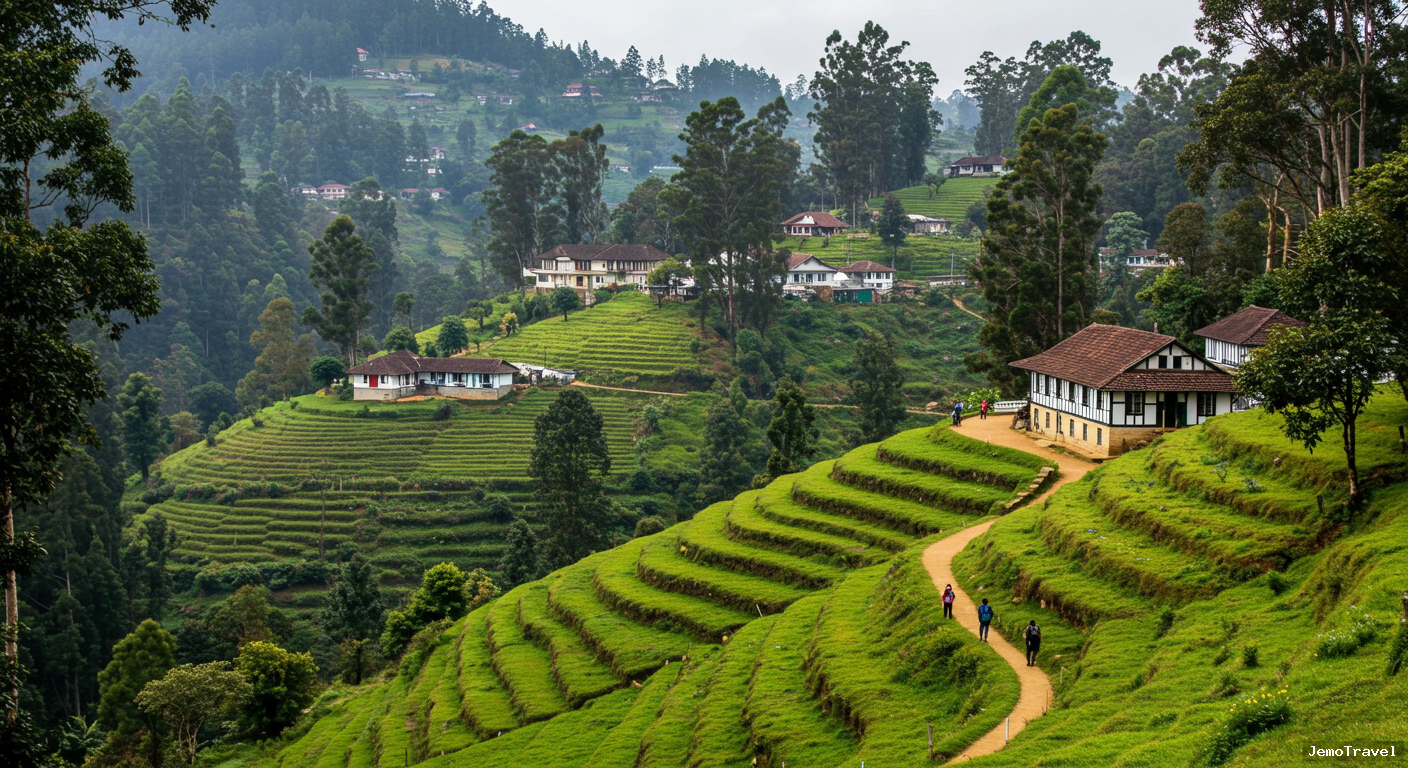
Welcome to Nuwara Eliya, the heart of Sri Lanka's stunning hill country. Perched at an altitude of 1,868 meters, this enchanting city offers a surreal escape from the island's tropical warmth, earning it the beloved nickname 'Little England.' Here, misty mornings give way to days filled with the fresh scent of cypress trees and the sight of endless, emerald-green tea plantations. Visitors are transported to a different era, where colonial-era bungalows with rose gardens, a grand Victorian-era post office, and even a classic red telephone box dot the landscape. Nuwara Eliya isn't just a change in temperature; it's a journey into a picturesque world of serene lakes, cascading waterfalls, and the rich heritage of Ceylon tea. This highland retreat promises a unique blend of natural beauty, colonial charm, and tranquil relaxation that captivates every traveler.
History & Background
The story of Nuwara Eliya, meaning "City of Light," is deeply intertwined with the British colonial period. While known to locals for centuries, it was British explorer Dr. John Davy who first documented its cool, salubrious climate in 1819. However, its modern identity was forged by Samuel Baker, the famed explorer of the Nile, who established it as a colonial settlement in 1846. He saw its potential as a perfect English village and sanatorium, a highland refuge for British officials and planters to escape the sweltering heat of the coastal plains. This vision drove the development of the town into a home-away-from-home for the British.
This colonial ambition led to the construction of quintessential British-style buildings, many of which still stand today, including the elegant Grand Hotel, the exclusive Hill Club, and the iconic red-brick Post Office. The town was meticulously planned to replicate a slice of England, complete with a golf course founded in 1889—one of Asia's oldest—and the beautiful Victoria Park. After the coffee rust disease devastated Sri Lanka's coffee plantations in the late 1860s, Scottish planter James Taylor pioneered tea cultivation. The British quickly expanded this new industry, and Nuwara Eliya became the vibrant heart of the world-renowned Ceylon tea industry, a legacy that defines it to this day.
What to See and Do
Your adventure in Nuwara Eliya is intrinsically linked to its verdant landscapes and colonial past. A visit is incomplete without touring a tea plantation. At estates like the Pedro Tea Estate or Damro Labookellie, you can witness the entire journey of Ceylon tea. Watch skilled tea pluckers deftly navigate the steep hillsides, then follow the leaves into the factory to observe the processes of withering, rolling, fermentation, and drying before indulging in a freshly brewed cup while overlooking the plantations. It's a fascinating look into the industry that shaped this region.
For serene recreation, head to Gregory Lake, an iconic man-made lake built between 1872 and 1877 under the direction of Governor Sir William Gregory. Here, you can enjoy a variety of activities, from leisurely swan-shaped pedal boat rides and thrilling jet ski excursions to simply strolling or cycling along the picturesque waterfront paths. It's a hub of activity, especially on weekends and holidays, offering fun for the whole family.
Nature lovers will be captivated by the Hakgala Botanical Gardens, the second largest in Sri Lanka, established in 1861. Legend suggests it was once the pleasure garden of King Ravana from the Ramayana epic. A short distance away in the town center, Victoria Park, named in 1897 for Queen Victoria's Diamond Jubilee, offers a beautifully manicured green space, perfect for a peaceful walk and a prime spot for birdwatching, particularly for species like the Kashmir Flycatcher.
For the more adventurous, a pre-dawn trip to Horton Plains National Park, a UNESCO World Heritage Site, is a must. The 9.5 km circular trek leads you through misty grasslands and cloud forests to the breathtaking World's End viewpoint, a sheer cliff with a drop of about 880 meters, and the stunning Baker's Falls, named after the town's founder. The park is also home to diverse wildlife, including the Sambar deer.
Best Time to Visit
Nuwara Eliya's charm can be enjoyed year-round, but the absolute best time to visit is during its main dry season from February to April. During these months, you can expect clear, sunny days perfect for exploring the outdoors, paired with crisp, cool evenings. April is particularly special as the town comes alive for the Sinhala and Tamil New Year festival season. The entire city is in full bloom, with vibrant flower shows, thrilling horse racing events at the Nuwara Eliya Racecourse, and classic car rallies creating an unforgettable festive atmosphere. This is the peak tourist season, so the town buzzes with energy.
The shoulder months from September to November also offer pleasant weather with fewer crowds, providing a more tranquil experience. While the two main monsoon seasons (May to August and October to January) bring more rain, they also paint the highlands in their most lush and dramatic shades of green. Regardless of when you visit, the temperature remains consistently cool, averaging around 16°C, so packing layers is always essential for a comfortable trip.
How to Get There
The journey to Nuwara Eliya is an experience in itself, with the most iconic option being the train. The scenic rail ride from Kandy to Nanu Oya (the nearest station, about 8km from the town) is globally acclaimed. Winding through misty mountains, dense forests, cascading waterfalls, and endless carpets of tea plantations, this 4-hour journey offers breathtaking vistas at every turn. It is highly recommended to book your tickets, especially for observation or first-class carriages, well in advance as they sell out quickly.
Alternatively, traveling by road offers greater flexibility. Hiring a private vehicle through JEMO TRIP & TOUR allows you to travel in comfort and stop at scenic viewpoints, waterfalls, and roadside stalls at your leisure. The drive from Colombo takes approximately 5-6 hours (180 km), while the trip from Kandy is shorter, around 2-3 hours (80 km). Public buses are also available from major cities like Colombo and Kandy, providing a more budget-friendly, albeit slower and less comfortable, mode of transport.
Travel Tips & Recommendations
Given Nuwara Eliya's high altitude and cool climate, packing is key. Always bring warm layers, including sweaters, a waterproof jacket, long trousers, and socks, as nighttime temperatures can drop significantly, often below 10°C. Comfortable, closed-toe walking shoes are essential for exploring tea estates, parks, and trails like Horton Plains. An umbrella or raincoat is also wise, as mountain weather can be unpredictable and showers can occur even in the dry season.
During the peak season in April, it is crucial to book your accommodation and train tickets far in advance as the town gets extremely busy. Don't miss the chance to indulge in the local delicacy of fresh strawberries with cream, a delightful treat grown in the surrounding fields. Staying hydrated is important even in the cool weather. JEMO TRIP & TOUR can seamlessly handle all your advance bookings for a stress-free experience.
Conclusion
Nuwara Eliya is more than just a destination; it's a step back in time and a breath of fresh mountain air. From its rolling tea hills and colonial relics to its serene lakes and vibrant gardens, this highland gem offers a truly unique Sri Lankan experience. Ready to explore the enchanting world of 'Little England'? Contact JEMO TRIP & TOUR today, and let our experts craft your perfect, unforgettable journey to the heart of Sri Lanka's hill country.
Related Articles
Break Your Default: A Transformative Sri Lanka Travel Guide
Escape the ordinary and embark on a transformative journey. Discover how Sri Lanka’s rich culture, b...
Read More
The Sri Lankan Head Waggle Explained: A Visitor's Guide
Unlock the secrets of Sri Lanka's most charming non-verbal cue. Our guide deciphers the famous head...
Read More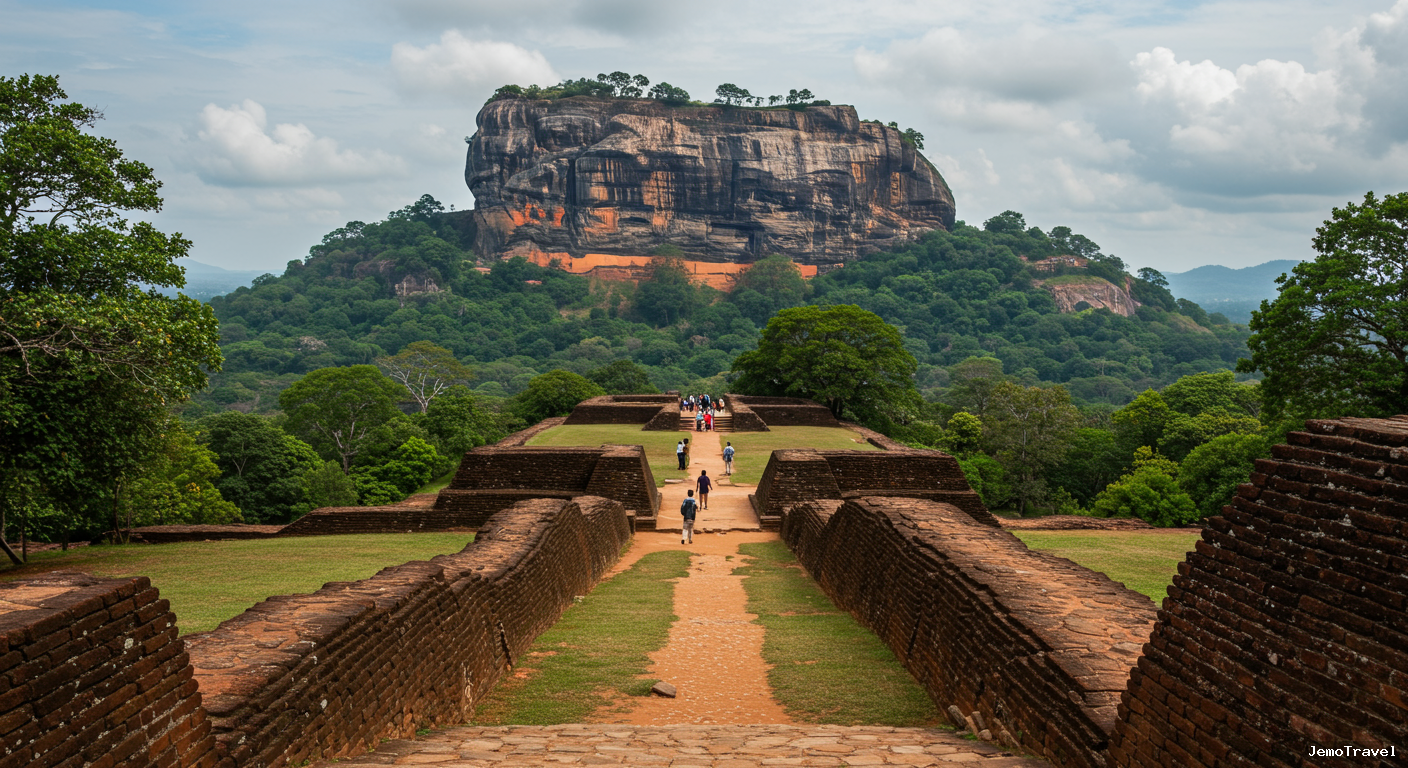
Sigiriya Lion Rock: A Guide to Sri Lanka's Ancient Fortress
Discover the awe-inspiring Sigiriya Lion Rock, a UNESCO World Heritage site in Sri Lanka. Climb the...
Read More