
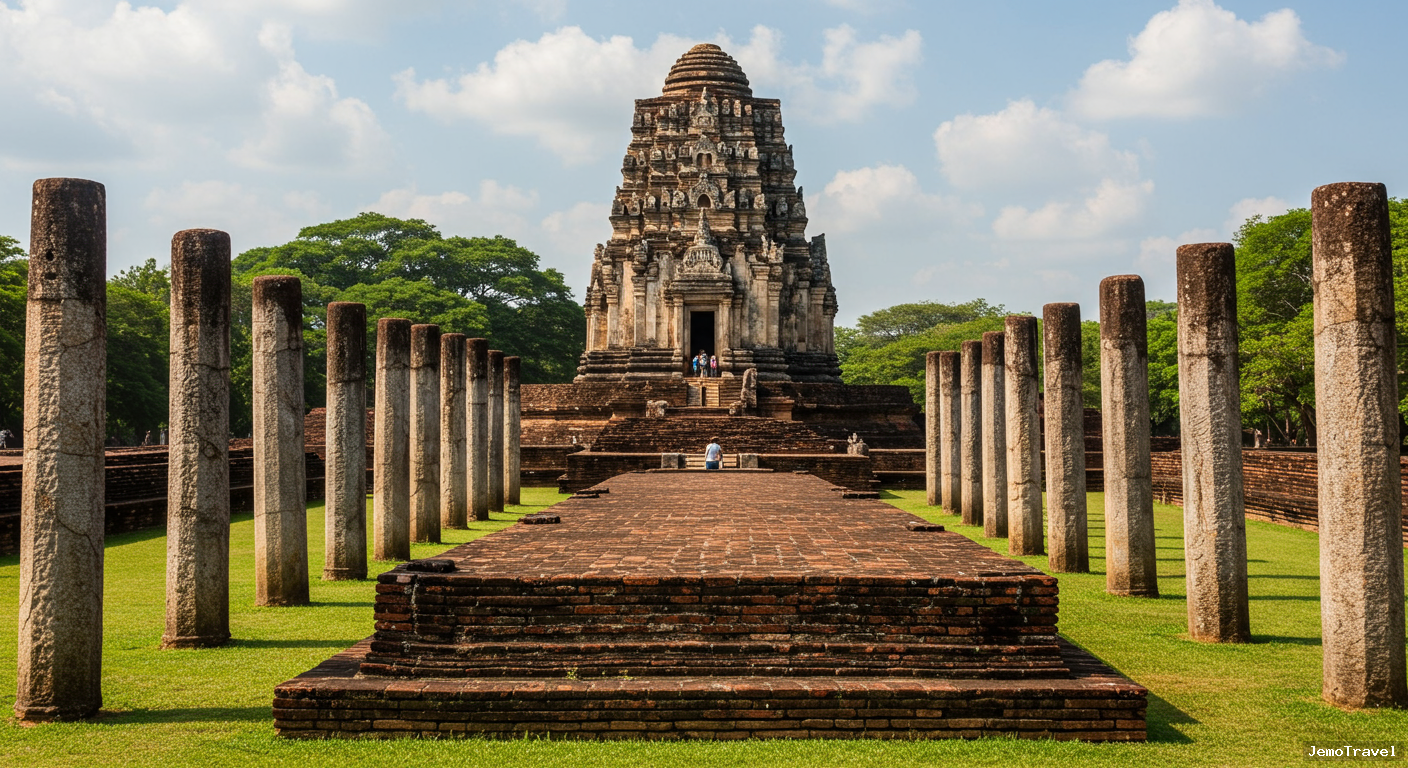
Polonnaruwa Sri Lanka: A Guide to the Ancient Kingdom's Treasures
Explore Polonnaruwa, Sri Lanka's magnificent ancient capital. This guide covers its royal history, iconic ruins like Gal Vihara, and travel tips. Uncover a UNESCO gem.
Introduction
Step back in time to the golden age of Sri Lanka in Polonnaruwa, the island’s second ancient capital and a magnificent UNESCO World Heritage Site. This sprawling archaeological park is a testament to the ingenuity and artistic prowess of the 12th-century Sinhalese kingdom. Unlike its predecessor Anuradhapura, Polonnaruwa's ruins are more compact and better preserved, allowing visitors to vividly imagine life during its zenith under visionary rulers like King Parakramabahu the Great. Here, colossal stone Buddhas gaze serenely over the landscape, grand stupas pierce the sky, and the vast Parakrama Samudra reservoir reflects centuries of history. Exploring this ancient city, whether by bicycle or tuk-tuk, is an immersive journey into a world of royal palaces, sacred temples, and incredible hydraulic engineering that continues to astound modern visitors and cements its place as a must-see on any Sri Lankan itinerary.
History & Background
Polonnaruwa's rise to prominence began after the destruction of Anuradhapura in 993 by Chola invaders from South India. The Cholas established Polonnaruwa as their capital due to its strategic location, but it was King Vijayabahu I who, in 1070, successfully drove them out and reunified the country, choosing Polonnaruwa as his royal seat. This momentous event marked the beginning of its journey as a glorious Sinhalese capital and a center of Theravada Buddhism.
The city reached its absolute zenith during the reign of King Parakramabahu I (1153-1186). A visionary leader with remarkable administrative and engineering skills, he transformed Polonnaruwa into a thriving commercial and religious hub. His famous declaration, "not even a little water that comes from the rain must flow into the ocean without being made useful to man," led to the creation of the massive Parakrama Samudra (Sea of Parakrama), an irrigation reservoir that sustained the kingdom. The majority of the city's most impressive monuments were constructed during his prosperous and influential reign.
Following Parakramabahu I, rulers like Nissanka Malla continued to add to the city's splendor, though his reign was marked by immense vanity projects detailed in his many stone inscriptions. However, by the early 13th century, repeated invasions from South India led to the kingdom's decline, and the capital was eventually abandoned, left to be reclaimed by the dense jungle. It wasn't until the 19th century that British archaeologists began excavating the site, revealing the lost grandeur that led to its designation as a UNESCO World Heritage Site in 1982.
What to See and Do
The heart of the ancient city is the Polonnaruwa Archaeological Park, a vast complex best explored by renting a bicycle, which allows you to move between sites at a leisurely pace while soaking in the historic atmosphere. Start your journey at the Royal Palace Group, where the ruins of King Parakramabahu I's seven-story palace, the Vejayanta Pasada, still stand. Though only the lower floors remain, its sheer scale is impressive. Nearby is the Audience Hall, renowned for its beautifully preserved friezes of elephants, each carved in a unique posture, and the elegant stone-lined Royal Bath (Kumara Pokuna).
The most sacred and architecturally significant area is the Quadrangle (Dalada Maluwa). This compact, raised terrace houses a stunning collection of religious structures. The Vatadage, a circular relic house with four entrances each guarded by moonstones and leading to a seated Buddha statue, is a masterpiece of ancient Sinhalese architecture. Here you will also find the Hatadage, which once housed the Sacred Tooth Relic of the Buddha, the Atadage, and the Nissanka Latha Mandapaya, with its unique lotus-stalk-shaped stone pillars that are said to have supported a wooden roof.
No visit is complete without witnessing the Gal Vihara (Rock Temple). This is arguably Polonnaruwa's most famous site, where four colossal Buddha images are carved from a single granite rock face with incredible artistry and grace. The 14-meter-long reclining Buddha depicting the final passing, the 7-meter-tall standing figure (thought to be the disciple Ananda), and two serene seated Buddhas in meditation are among Sri Lanka's most iconic artistic treasures. Further north, marvel at the Lankathilaka Image House, a massive brick structure with towering 17-meter-high walls that once sheltered a giant standing Buddha statue (now headless). Close by, the Rankoth Vehera, a massive brick stupa reminiscent of Anuradhapura's style, dominates the landscape and is the fourth largest on the island.
Best Time to Visit
Planning your visit to Polonnaruwa around the weather ensures a comfortable and memorable experience. The best time to explore the ancient city is during its two dry seasons. The primary dry season runs from January to April, offering pleasant temperatures, minimal rainfall, and plenty of sunshine, which is ideal for cycling through the expansive ruins. Average temperatures during this period hover around a warm but manageable 27-32°C (81-90°F), with cooler mornings and evenings. This is peak tourist season, so the site will be at its liveliest.
A second, shorter dry period occurs from August to September, which is also an excellent time to visit, often with fewer crowds than the main season. It is best to avoid the two monsoon seasons: the 'Yala' monsoon from May to July and the heavier 'Maha' monsoon from October to January. These periods bring significant rainfall and high humidity, which can make exploring the sprawling outdoor site challenging. To avoid the intense midday heat, plan your sightseeing for the early morning (from 8 am) or late afternoon (after 3 pm), when the light is also softer and perfect for photography.
How to Get There
Polonnaruwa is a key destination within Sri Lanka's renowned Cultural Triangle and is well-connected to major cities. From Colombo's Bandaranaike International Airport (CMB), the journey is approximately 220 kilometers (137 miles). The most comfortable and efficient option is a private vehicle arranged by JEMO TRIP & TOUR, which takes around 4-5 hours and allows for scenic stops along the way. Alternatively, intercity air-conditioned buses run regularly from the Colombo Fort bus stand, offering a more budget-friendly but longer journey of 5-6 hours.
For those who prefer train travel, the railway line connects Colombo to Polonnaruwa, with a station located in the new town. The train journey offers a picturesque view of the Sri Lankan countryside. If you are already exploring the Cultural Triangle, Polonnaruwa is easily accessible from nearby hubs. It’s just an hour’s drive from Sigiriya or Dambulla, and about 45 minutes from Habarana, making it a perfect day trip or the next logical stop on your historical itinerary through the heart of ancient Sri Lanka.
Travel Tips & Recommendations
To make the most of your Polonnaruwa adventure, dress respectfully. As it's a sacred archaeological site with active temples, both men and women should wear clothing that covers their shoulders and knees. Lightweight, breathable fabrics like cotton or linen are ideal for the tropical climate. You will need to remove your shoes and any hats before entering temple premises, so wearing slip-on footwear like sandals or flip-flops is highly convenient. The archaeological park is vast; renting a bicycle near the entrance is the most popular, affordable, and enjoyable way to get around.
Stay hydrated by carrying plenty of water, especially if you plan to cycle. A wide-brimmed hat, sunglasses, and high-SPF sunscreen are essential to protect you from the strong Sri Lankan sun. Consider hiring a licensed guide at the entrance to gain deeper insights into the rich history and intricate significance of the ruins you are exploring. Their stories can truly bring the ancient kingdom back to life.
Conclusion
Polonnaruwa is more than just a collection of ruins; it's a living chronicle of Sri Lanka's medieval glory, a place where history, art, and nature converge in spectacular fashion. The awe-inspiring monuments and serene atmosphere offer an unforgettable journey into the island's magnificent past. Ready to walk in the footsteps of ancient kings? Let JEMO TRIP & TOUR craft your perfect historical adventure to Polonnaruwa and the rest of Sri Lanka’s cultural wonders. Contact us today to start planning!
Related Articles
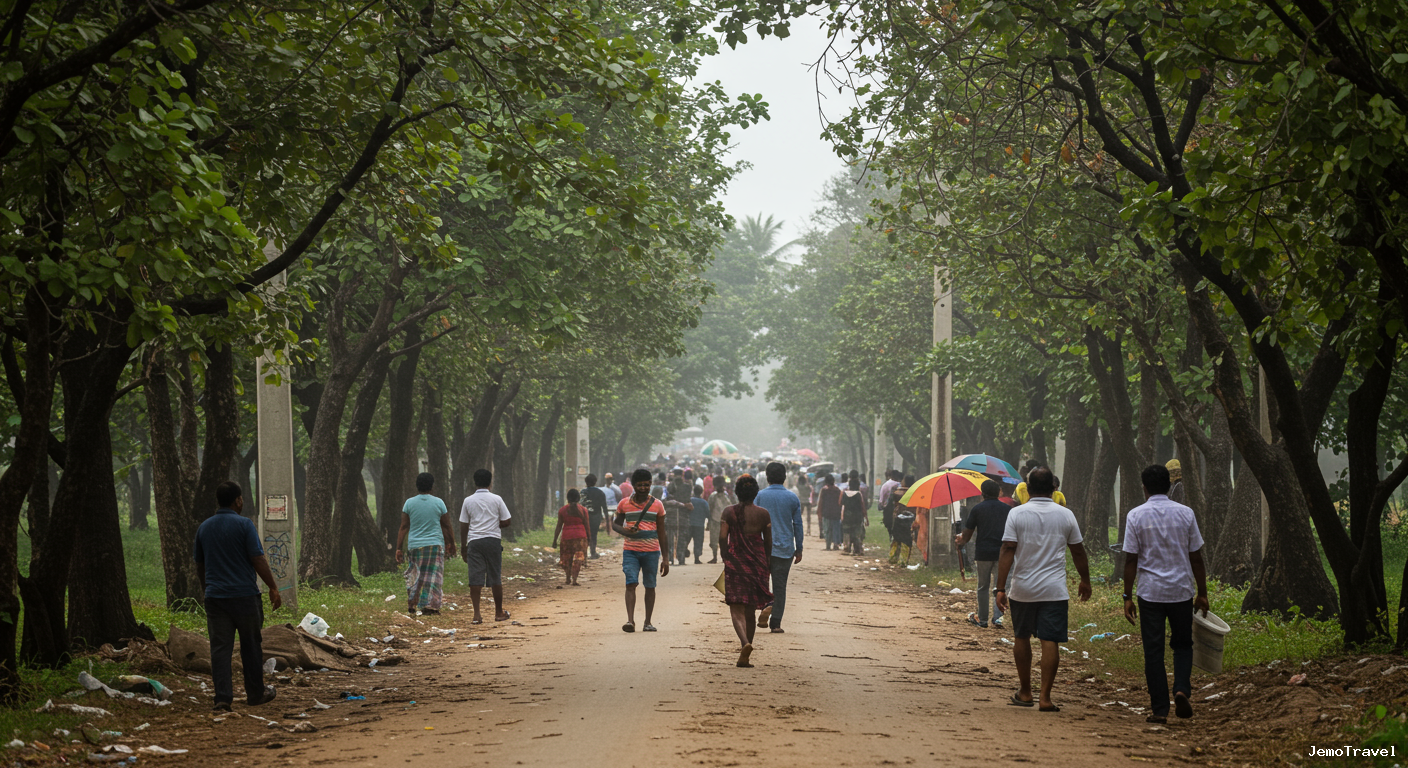
Cyclone Ditwah Hits Sri Lanka: At Least 600 Dead, Thousands Displaced
Cyclone Ditwah has caused widespread devastation across Sri Lanka's northern and eastern provinces,...
Read More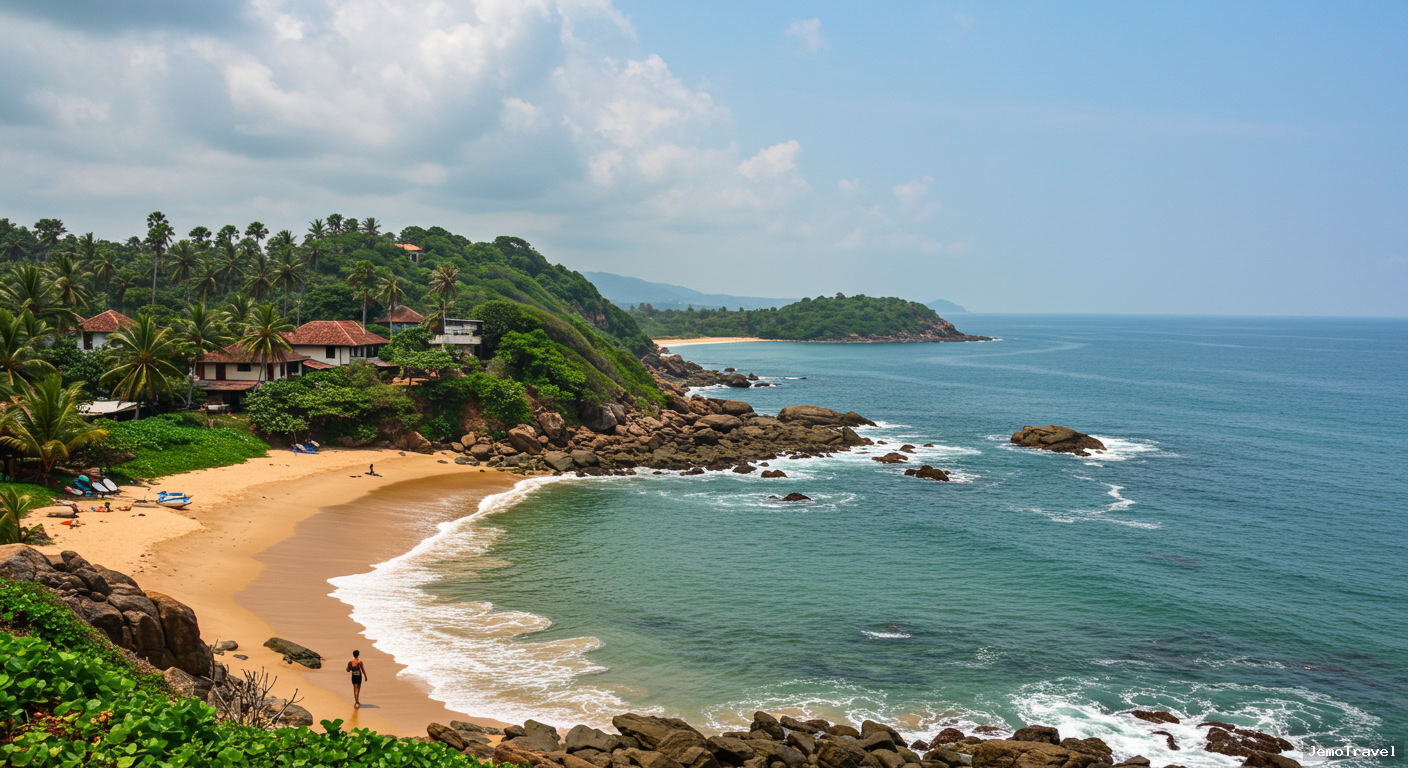
Sri Lanka's Golden Coast: A Guide to the Most Beautiful Beaches
Discover Sri Lanka's stunning coastline, from the surf havens of Arugam Bay to the tranquil shores o...
Read More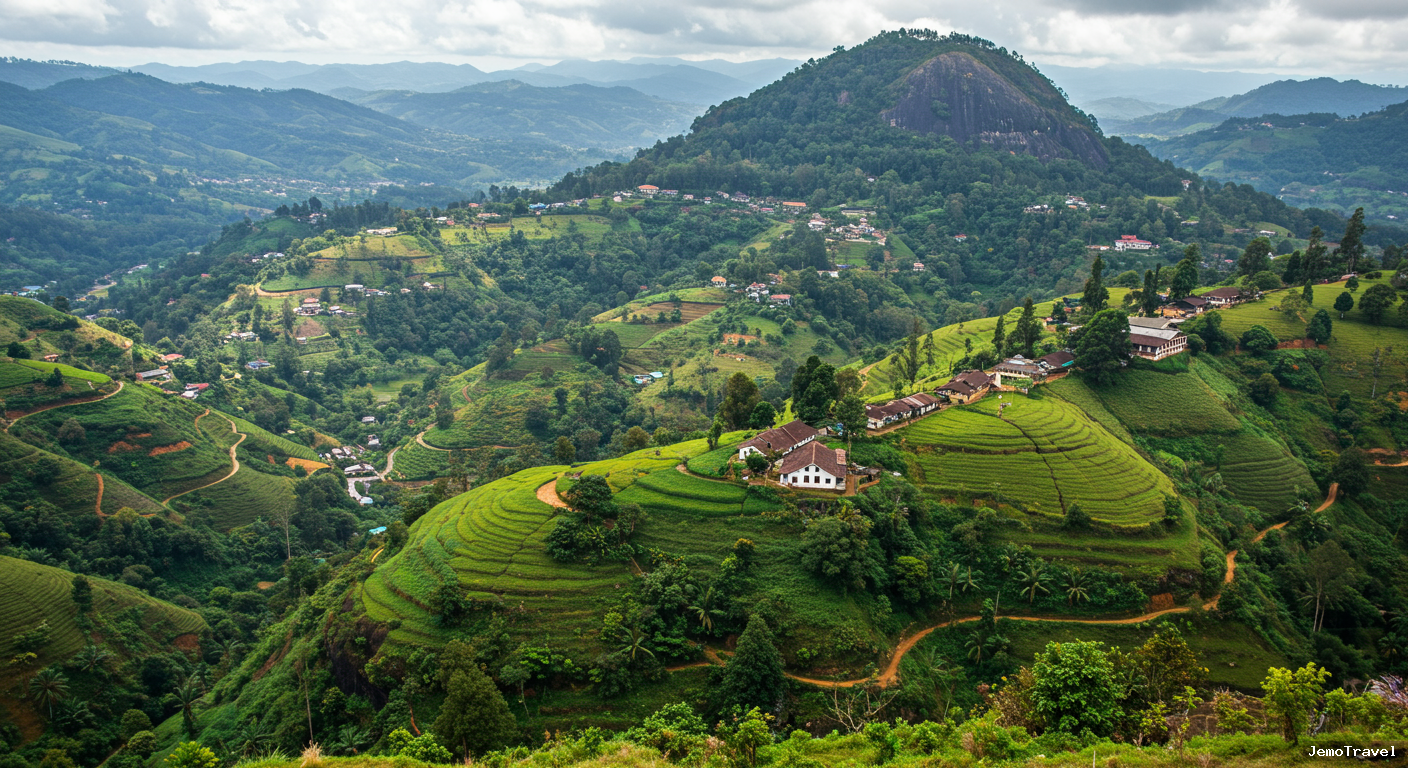
Ella, Sri Lanka: Your Guide to the Hill Country's Green Paradise
Discover the emerald hills and misty mountains of Ella, Sri Lanka. Our complete guide covers epic hi...
Read More