
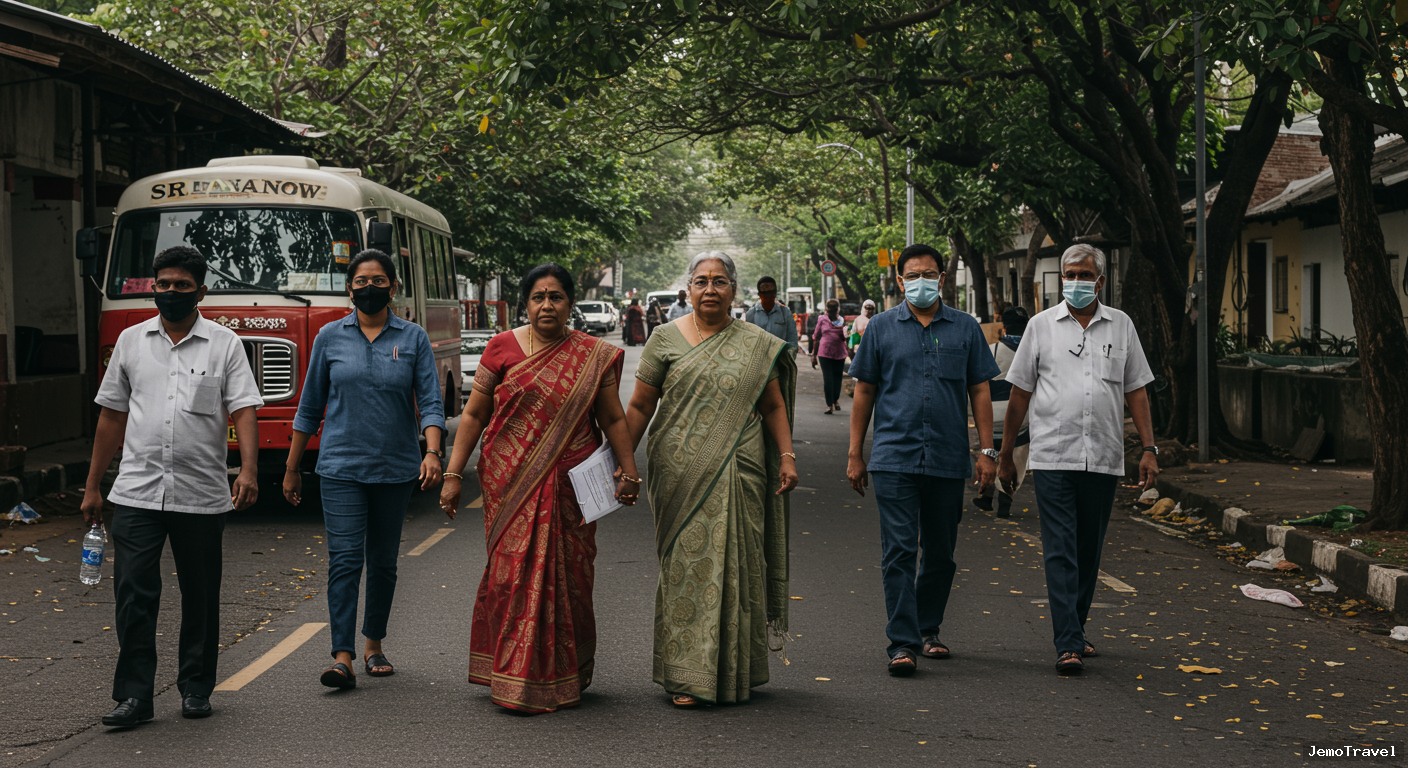
Sri Lanka Now: Cautious Recovery Navigates Post-Crisis Reforms
Sri Lanka shows signs of economic stabilization after its 2022 collapse, but high taxes and tough IMF reforms challenge its populace. This report details the current situation.
Introduction
Colombo, Sri Lanka – More than a year after a historic economic collapse plunged the nation into unprecedented turmoil, Sri Lanka is now navigating a precarious path toward recovery. Under the strict guidance of an International Monetary Fund (IMF) program, the island nation has achieved a fragile macroeconomic stability, taming hyperinflation and rebuilding depleted foreign reserves. This turnaround, orchestrated by President Ranil Wickremesinghe's government, marks a stark contrast to the chaotic scenes of 2022, when citizens faced crippling shortages of fuel, food, and medicine. However, this progress comes at a high cost for ordinary Sri Lankans, who are now grappling with steep tax hikes and a rising cost of living. The current situation is a delicate balancing act between painful but necessary fiscal discipline and the urgent need to provide relief to a weary population.
Background & Context
The crisis that brought Sri Lanka to its knees in 2022 was not a sudden event but the culmination of years of systemic issues. Decades of economic mismanagement, characterized by a reliance on foreign borrowing for non-revenue-generating infrastructure projects, created an unsustainable debt burden. This was severely exacerbated by populist tax cuts enacted in late 2019, which slashed government revenue just before the global COVID-19 pandemic. The pandemic, along with the aftermath of the 2019 Easter Sunday bombings, decimated the country's vital tourism industry, a primary source of foreign currency.
By early 2022, these factors converged into a perfect storm. Foreign exchange reserves evaporated, leading to the country's first-ever sovereign debt default in its history. The government was unable to finance essential imports, triggering widespread shortages and daily power cuts lasting up to 13 hours. Inflation skyrocketed, peaking at an alarming 69.8% in September 2022, eroding savings and pushing millions into poverty.
This economic desperation fueled a massive, peaceful public protest movement known as the "Aragalaya" (The Struggle). Millions of citizens from all walks of life took to the streets, demanding accountability and the resignation of the ruling Rajapaksa family. The protests culminated in July 2022 with the storming of the presidential residence and the subsequent resignation of then-President Gotabaya Rajapaksa, who fled the country. This political upheaval paved the way for then-Prime Minister Ranil Wickremesinghe to assume the presidency and initiate urgent negotiations with the IMF.
Current Situation & Details
As of early 2024, the macroeconomic landscape in Sri Lanka has transformed significantly. The cornerstone of this change is the $2.9 billion Extended Fund Facility (EFF) from the IMF, approved in March 2023. The release of funds is conditional on Colombo meeting stringent reform targets. Key successes include a dramatic reduction in headline inflation, which has fallen to single digits—hovering around 4% by late 2023—a monumental achievement from its peak. The Sri Lankan Rupee, after a massive depreciation, has shown stability, and gross official reserves have been gradually rebuilt, standing at approximately $3.6 billion by the end of 2023, providing a much-needed buffer.
To meet IMF benchmarks, the government has implemented a series of tough, and often unpopular, structural reforms. A major policy shift has been on the fiscal front, with the Value Added Tax (VAT) being increased to 18% and its base broadened to include previously exempt items. Personal and corporate income taxes have also been raised significantly. Furthermore, a critical part of the reform agenda involves the restructuring of loss-making State-Owned Enterprises (SOEs), with plans for privatization or strategic partnerships for entities like SriLankan Airlines and Sri Lanka Telecom.
Politically, the Wickremesinghe administration has maintained control and suppressed the large-scale protests that defined 2022. However, public discontent remains high due to the increased tax burden and the persistent high cost of living. Labor unions and opposition parties have staged smaller-scale protests against the tax policies and the delay of local government elections, which were postponed in 2023. All eyes are now on the presidential election constitutionally mandated to be held before the end of 2024, which will serve as a public referendum on the current government's painful economic strategy.
Impact & Consequences
The path to stabilization has had profound consequences for Sri Lankan society. While the government highlights positive macroeconomic data, the reality for many households is one of continued hardship. The sharp increase in taxes and utility tariffs has severely diminished disposable income, making it difficult for families to afford basic necessities. According to the World Bank, the poverty rate in Sri Lanka doubled from 13.1% to 25% between 2021 and 2022, with projections indicating a further increase in 2023. This has pushed an estimated 2.5 million additional people into poverty.
A significant long-term consequence is an accelerating "brain drain." Faced with diminished economic prospects and high taxes, a record number of skilled professionals, including doctors, engineers, and IT specialists, have been leaving the country. In 2022 alone, over 300,000 Sri Lankans left for foreign employment, a trend that continued through 2023. This exodus of human capital threatens to undermine the country's future growth potential and cripple essential services like healthcare.
Response & Relief Efforts
The primary response to the crisis has been the government's adherence to the IMF-backed reform program, which aims to restore debt sustainability and fiscal health. The Central Bank of Sri Lanka has played a crucial role by maintaining a tight monetary policy to control inflation. To mitigate the impact of these harsh measures on the most vulnerable, the government has launched the "Aswesuma" social welfare program, a cash transfer system aimed at supporting 2 million low-income families. However, the program's rollout has been criticized for issues with targeting and implementation.
On the international front, securing financing assurances from bilateral creditors was a key step in unlocking the IMF facility. Sri Lanka has made significant progress in debt restructuring talks with the Paris Club, India, and Japan. Crucial and complex negotiations are ongoing with China, the nation's largest single bilateral creditor, to finalize restructuring terms. In addition to the IMF, organizations like the World Bank and the Asian Development Bank (ADB) are providing concessional financing for essential imports, social safety nets, and targeted development projects to support the recovery.
Conclusion & Outlook
Sri Lanka stands at a critical juncture, having pulled back from the brink of complete collapse but now facing a long and arduous recovery. The nation's outlook depends on the government's unwavering commitment to difficult reforms and its success in concluding debt restructuring negotiations. The revival of the tourism sector offers a beacon of hope for foreign currency inflows. Ultimately, long-term stability hinges on whether the benefits of macroeconomic stabilization can translate into tangible relief for its citizens. The upcoming 2024 presidential election will be a pivotal moment, testing the nation's political resolve and shaping its economic trajectory for years to come.
Related Articles
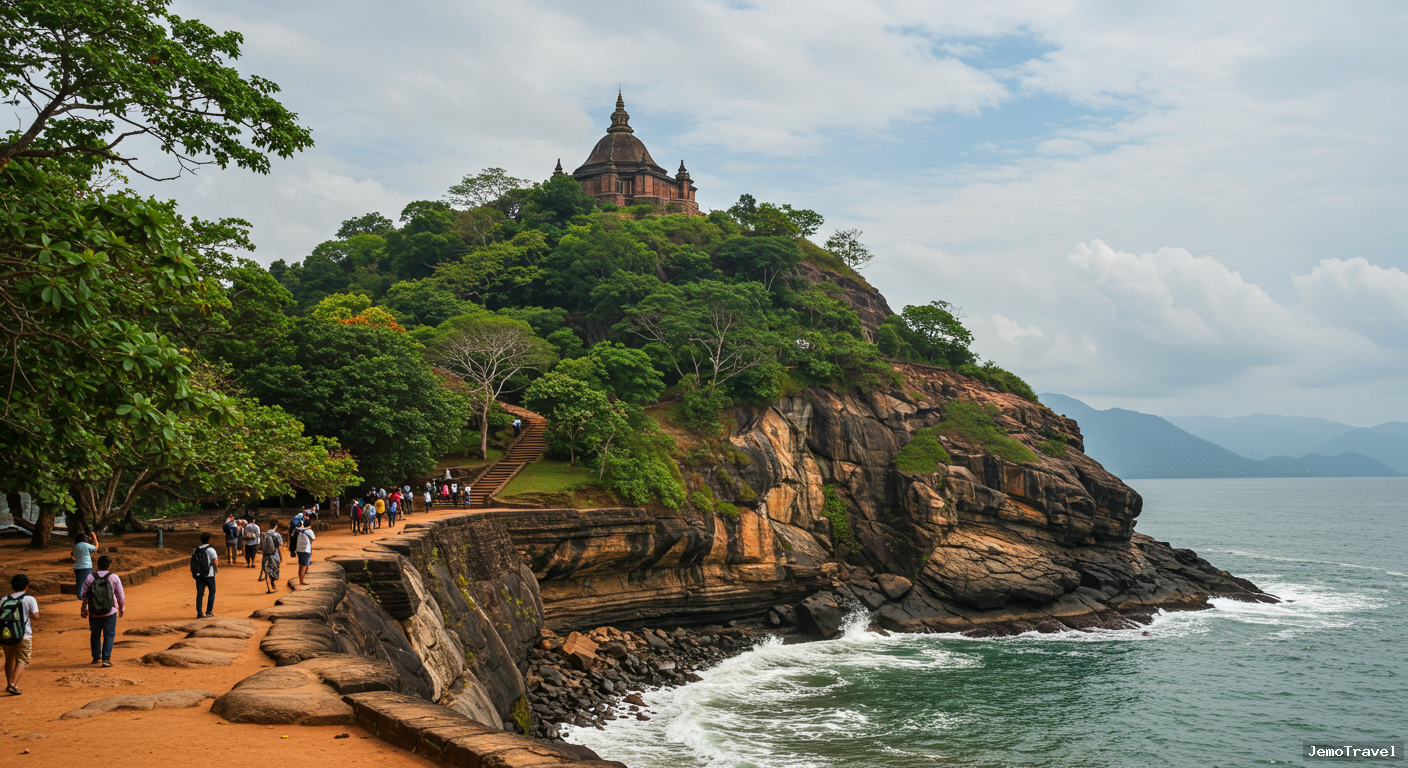
Top Must-Visit Places in Sri Lanka: An Ultimate Travel Guide
Discover the top must-visit places in Sri Lanka, from the ancient rock fortress of Sigiriya to the c...
Read More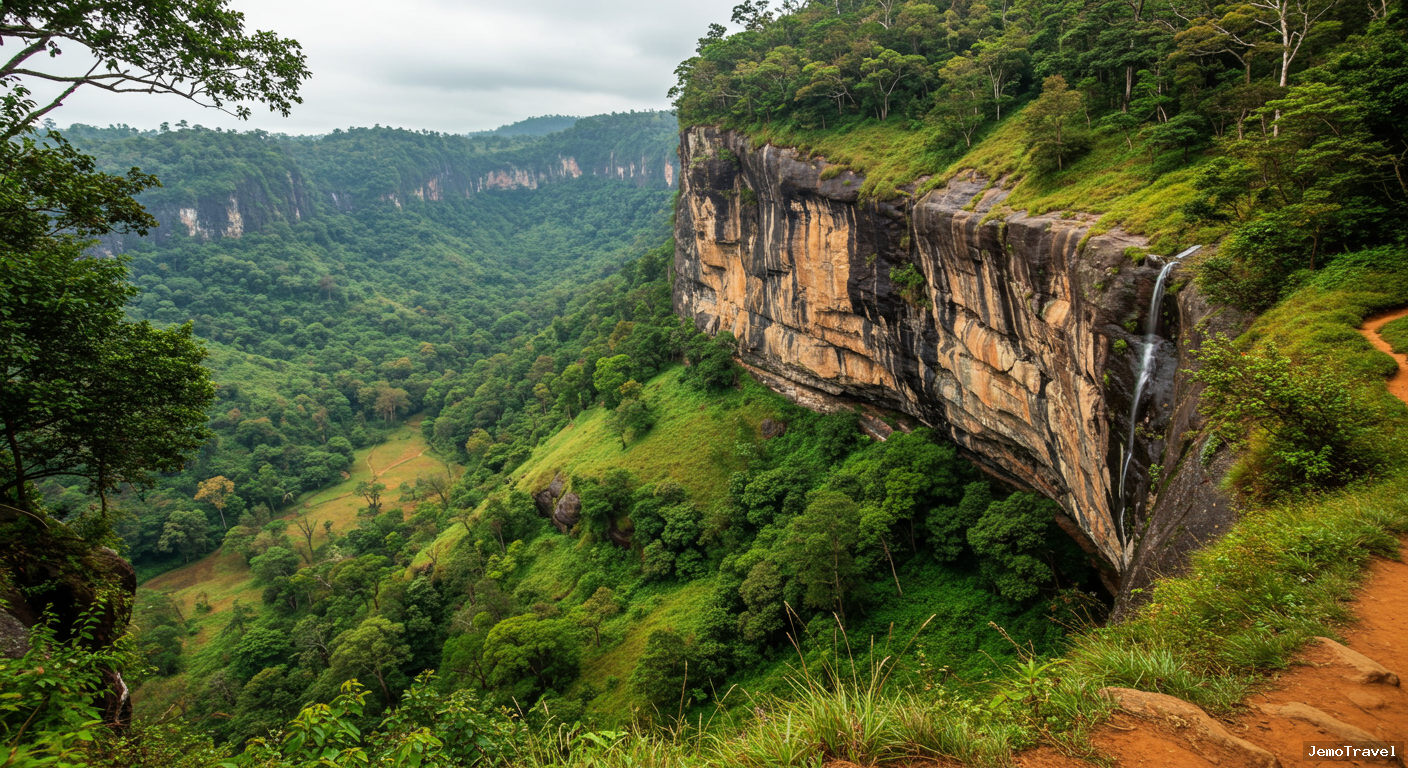
Belihul Oya: Sri Lanka's Hidden Eco-Adventure Paradise
Discover Belihul Oya, a breathtaking destination where Sri Lanka's wet and dry zones meet. Explore l...
Read More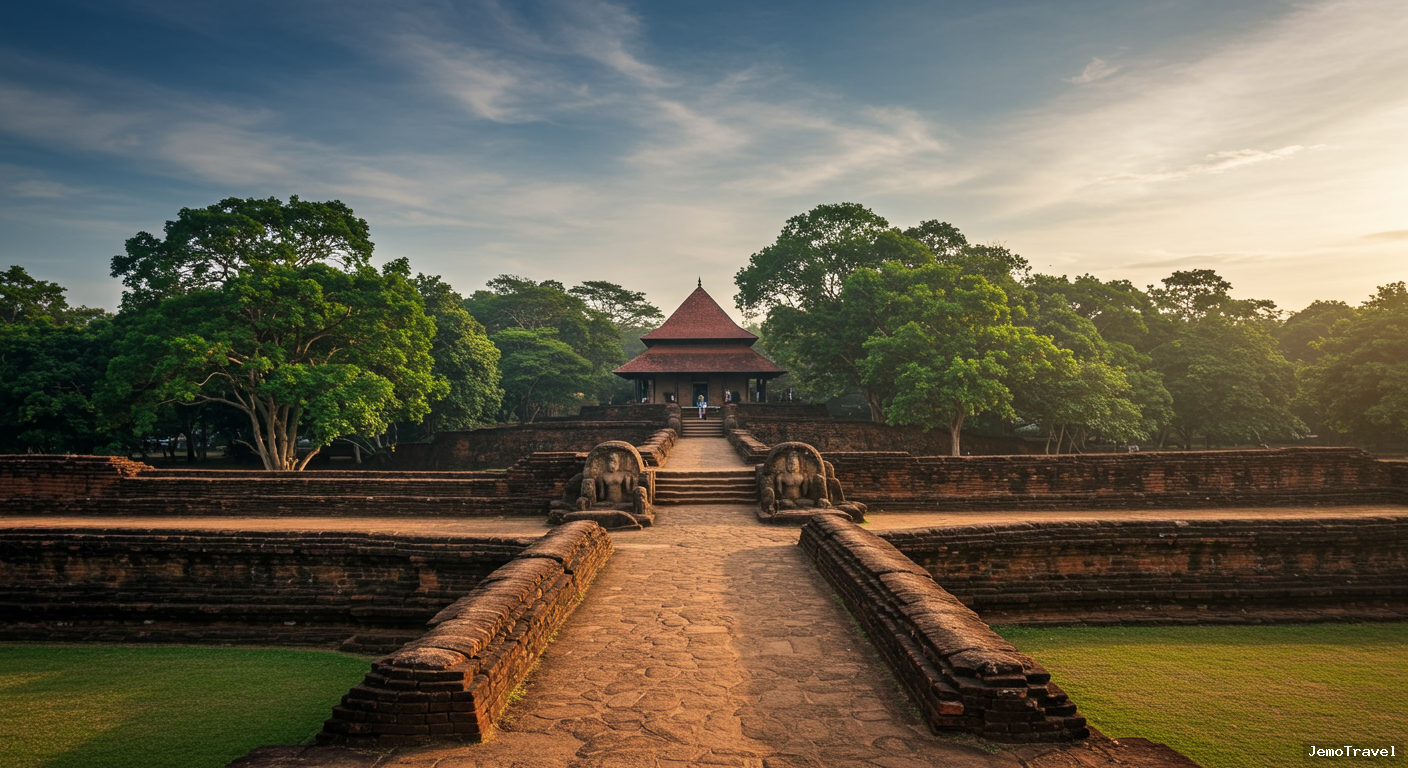
A Journey Through Time: The Rich History of Sri Lanka
Explore Sri Lanka's epic past, from ancient kingdoms and sacred relics to colonial forts. Uncover th...
Read More