
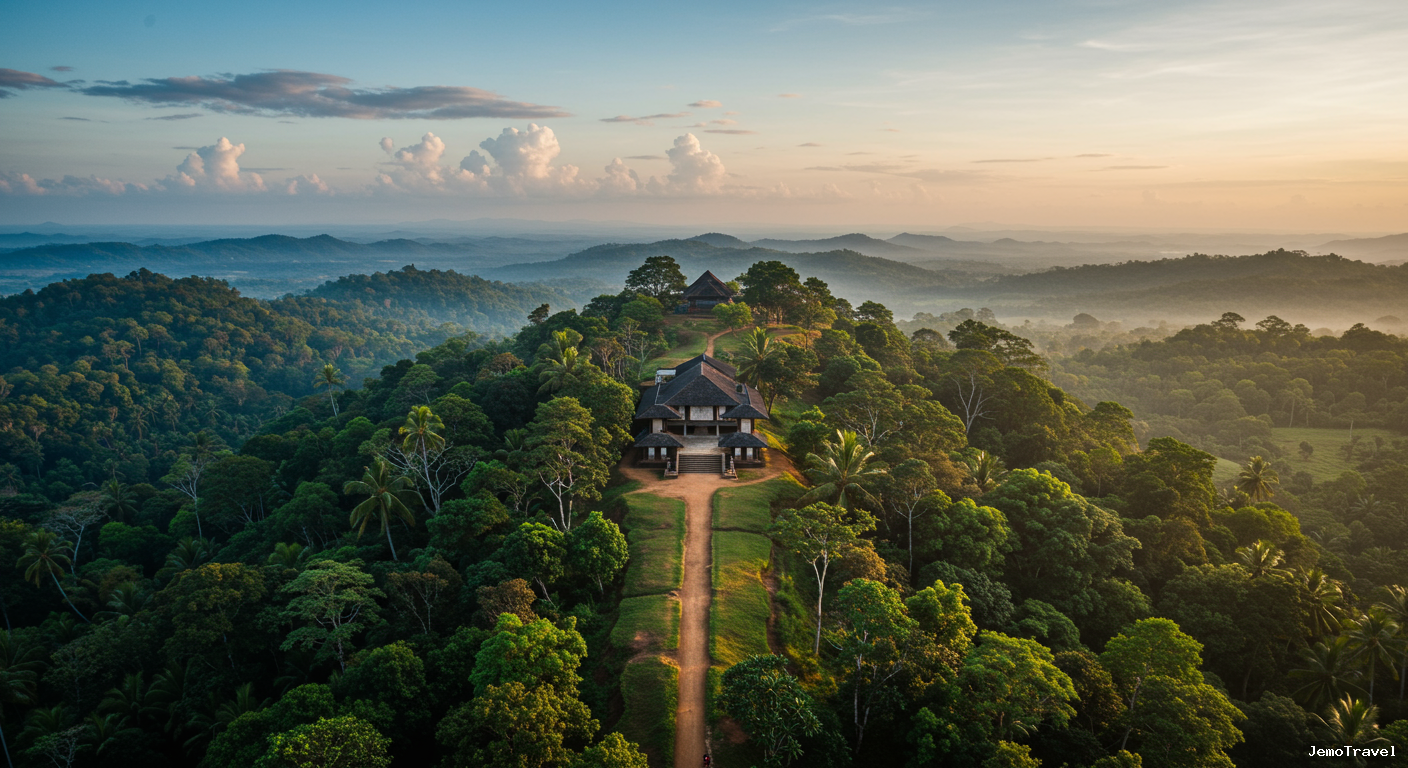
Ritigala, Sri Lanka: A Mystical Journey to the Silent Monastery
Discover Ritigala, Sri Lanka's enigmatic forest monastery. Explore ancient ruins, rare flora, and tranquil paths where history and nature merge in this unforgettable off-the-beaten-path adventure.
Introduction
In the heart of Sri Lanka's Cultural Triangle, while most travelers are drawn to the skyward majesty of Sigiriya or the sprawling grandeur of Anuradhapura, a different kind of magic lies in wait, shrouded in jungle and steeped in silence. Imagine a lost monastery, not of golden roofs and ornate statues, but of stone pathways, meditation platforms, and an austerity so profound it feels etched into the very air. This is Ritigala, an ancient forest sanctuary that offers less of a tour and more of a pilgrimage into Sri Lanka's spiritual heart. For the traveler seeking to step beyond the familiar and connect with a deeper, more introspective side of the island, the path to Ritigala is a journey worth taking.
The Legends and Layers of Ritigala's History
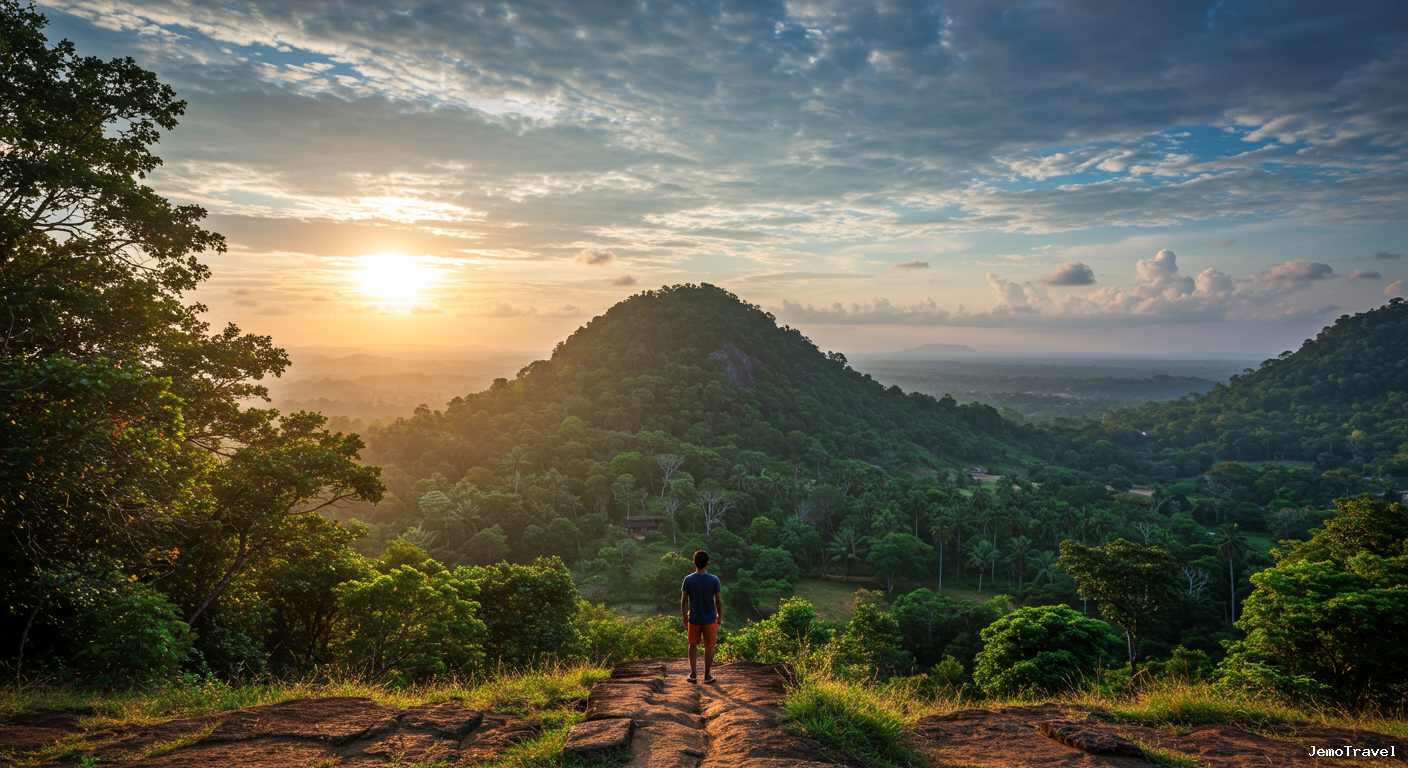
Ritigala is more than just ruins; it's a place where myth, history, and nature are inextricably tangled. Legend whispers that the mountain is a piece of the Himalayas, dropped by the monkey god Hanuman as he flew to Lanka with life-saving herbs. This tale beautifully explains the mountain's unique biodiversity, which includes medicinal plants found nowhere else in Sri Lanka's lowlands. Historically, Ritigala’s story begins as early as the 1st century BCE, when it served as a refuge for monks seeking solitude. Its golden age, however, arrived around the 8th and 9th centuries AD when it became a prominent center for the Pansakulikas, or "rag-robe wearers." This ascetic sect of Buddhist monks rejected the comforts and perceived luxuries of mainstream monastic life in the great cities. They created a monastery in complete harmony with its forest surroundings, focusing on meditation and a life of extreme simplicity. The architecture they left behind is a testament to this philosophy: there are no grand stupas, no vibrant frescoes, and no Buddha statues. Instead, you find profound beauty in the precision of the stonework and the serenity of the layout. The monastery was eventually abandoned following the Chola invasions and the subsequent shift of kingdoms, and for nearly a thousand years, it was swallowed by the jungle, a forgotten sanctuary waiting to be rediscovered. ## The Path of Enlightenment: What to See and Do
A visit to Ritigala is a walk back in time, following a stone-paved path that stretches for about 1.5 kilometers through the dense forest. Your journey begins at the base near the massive, man-made reservoir known as the Banda Pokuna, a testament to ancient engineering that likely served a ritual purpose for visitors bathing before entry. As you ascend, the path guides you through a series of remarkable structures, each blending seamlessly with the natural landscape.
Key highlights along the trail include:
- The Padhanaghara (Double Platforms): These are the signature architectural features of Ritigala. Consisting of two raised stone platforms linked by a stone bridge, they are thought to have been foundations for wooden structures where monks practiced meditation. The precision of the cut stones, fitted without mortar, is a marvel of ancient craftsmanship.
- Stone-Paved Walkways and Roundabouts: The main path itself is an exhibit, with long stone walkways that feature mysterious circular platforms, or roundabouts—a rare feature in monastic architecture whose purpose is still debated. * The Ancient Hospital: Near the entrance, ruins of a building are believed to have been an Ayurvedic hospital. Here you can see medicinal grinding stones and even a stone-carved bath where herbal treatments were administered, linking back to the mountain’s legendary healing properties.
- A Sanctuary of Silence: What is most striking about Ritigala is the atmosphere. Unlike other heritage sites, it is quiet. The absence of crowds and the enveloping jungle create a deeply meditative environment. You are not just observing ruins; you are experiencing the silence and solitude that the Pansakulika monks sought over a millennium ago. The only part of the mountain accessible to visitors is the archaeological site; the peak and its surrounding Strict Natural Reserve are protected to preserve its unique ecosystem. ## When Nature Calls: Best Time to Visit
The best time to explore Ritigala is during the dry seasons, which generally run from January to March and again from May to September. During these periods, the forest trails are more accessible and comfortable for walking. Visiting in the early morning (before 10:00 AM) is highly recommended to avoid the intense midday heat and to experience the site in the most atmospheric light, often with mist clinging to the ancient trees. The North Central Province can be wet during the Maha monsoon from October to January, which can make the stone paths slippery. ## Journey to the Mountain: How to Get There
Ritigala is located in Sri Lanka's North Central Province, making it an excellent half-day excursion from the main hubs of the Cultural Triangle. It is approximately 40 km from Sigiriya and Dambulla, and about 45 km from Anuradhapura. There is no direct public transport to the site entrance. The most convenient way to visit is by hiring a car with a driver or taking a tuk-tuk from nearby towns like Habarana or Kekirawa. After turning off the main road, the final few kilometers are on an unpaved road through the forest, which adds to the sense of adventure. We recommend arranging a roundtrip with your tuk-tuk driver, as it is difficult to find transport for your return journey at the site itself. ## An Explorer's Guide: Tips & Recommendations
- Dress for Comfort and Respect: Wear lightweight clothing, but remember this is a sacred monastic site. Modest attire covering your shoulders and knees is appropriate. Sturdy, comfortable walking shoes are essential as the stone paths are uneven. * Stay Hydrated and Protected: The jungle environment is humid. Bring plenty of water, as well as sunscreen, a hat, and insect repellent. * Allow Enough Time: While the main path isn't excessively long, plan for at least 2-3 hours to explore without rushing. The serene atmosphere invites slow, mindful wandering. * Get a Guide (or Do Your Research): There are often no official guides available on-site. To fully appreciate the history and unique features, consider hiring a knowledgeable driver-guide for your trip or doing thorough research beforehand.
- Entrance Fees and Hours: The site is generally open from 6:00 AM to 6:00 PM. There is a nominal entrance fee for foreign visitors. ## Conclusion
Ritigala is a destination for the soul. It doesn’t shout for your attention with towering monuments; it whispers through its moss-covered stones and silent, sun-dappled pathways. It is a powerful reminder that some of Sri Lanka’s greatest treasures are not just its magnificent palaces and temples, but also its quiet corners of deep spirituality and natural harmony. This is a place to disconnect, to reflect, and to experience a side of the island that remains timeless and profoundly moving.
Ready to explore the hidden paths and silent whispers of Ritigala? Contact JEMO TRIP & TOUR today to craft your unique journey into the heart of Sri Lanka.
Related Articles
The Spicy Secret: Tracing Ceylon Cinnamon's Origins in Sri Lanka
Uncover the rich history of Ceylon Cinnamon, the world's most prized spice. Journey through Sri Lank...
Read More
Seetha Amman Kovil: A Divine Ramayana Legend in Sri Lanka's Hills
Explore the Seetha Amman Kovil in Nuwara Eliya, a sacred site from the Ramayana epic. Discover where...
Read More
Kandy Esala Perahera: A Guide to Sri Lanka's Grandest Festival
Experience the magic of the Kandy Esala Perahera, Sri Lanka's most sacred festival. Discover dazzlin...
Read More