
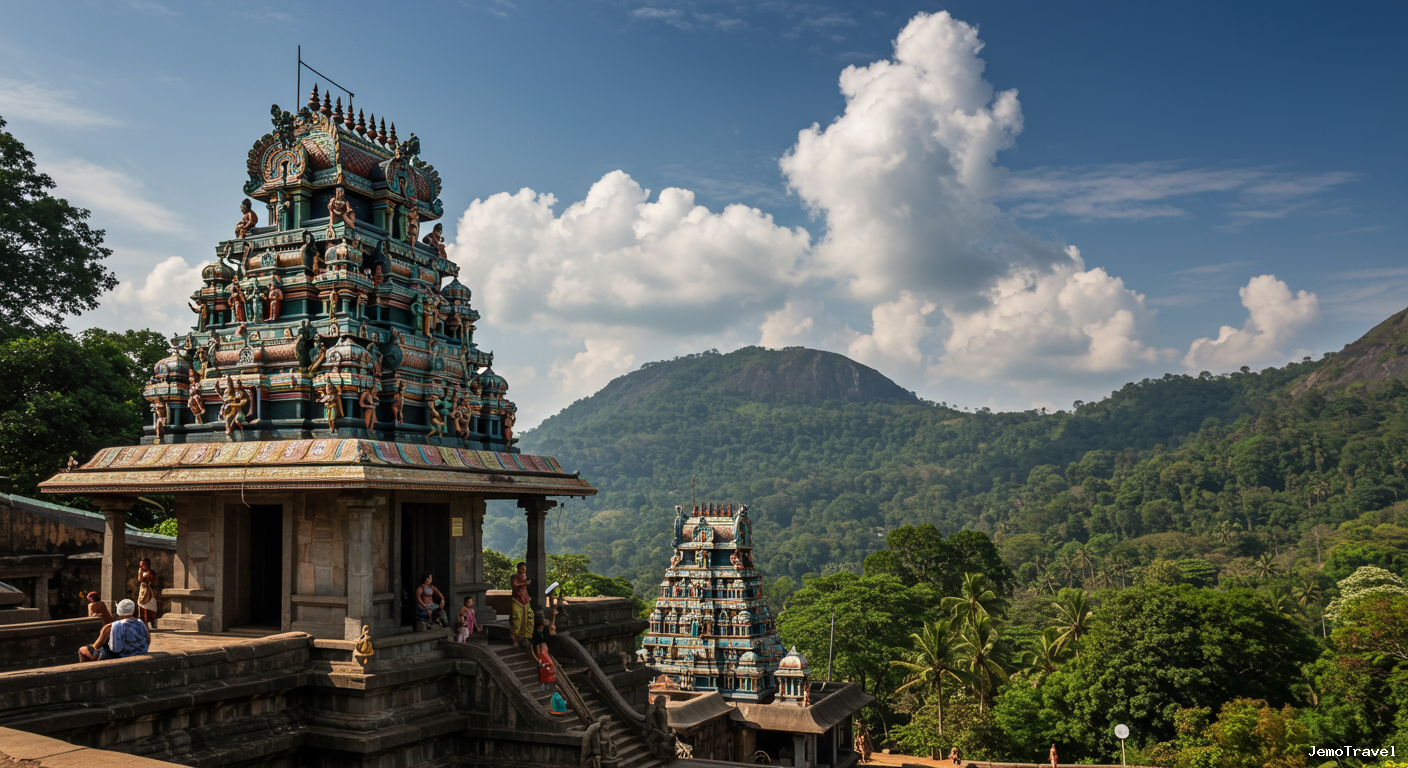
Seetha Amman Kovil: A Divine Ramayana Legend in Sri Lanka's Hills
Explore the Seetha Amman Kovil in Nuwara Eliya, a sacred site from the Ramayana epic. Discover where Sita was held captive and see Hanuman's legendary footprints.
Introduction
Nestled in the mist-laden highlands of Nuwara Eliya, Sri Lanka, lies a site where ancient epic and breathtaking natural beauty converge: the Seetha Amman Kovil. This is not just another temple; it is a living chapter of the Ramayana, believed to be the very location of the Ashoka Vatika where the goddess Sita was held captive by the demon king Ravana. Its significance is profound, as it is one of the very few temples in the world dedicated solely to Sita. Visitors are immediately enveloped by an atmosphere of deep spirituality and history. You will witness the vibrant colours of its Dravidian architecture set against the lush green landscape, hear the gentle flow of the stream where Sita is said to have bathed, and see the mysterious, giant footprints believed to have been left by Lord Hanuman. A visit here is a pilgrimage into the heart of a timeless legend.
History & Background
The history of the Seetha Amman Kovil is intrinsically woven into the fabric of the Hindu epic, the Ramayana. According to the sacred text, after Sita was abducted by King Ravana, she was brought to Lanka and held in a beautiful garden called the Ashoka Vatika. This temple, located in the village of Seetha Eliya, is believed to be that exact location. For centuries, the tale was passed down through oral tradition, with the area held as sacred by the local populace. The site’s legendary status was further cemented in the early 20th century when three unique idols were discovered in the stream flowing beside the temple grounds. These idols, depicting Sita, Rama, and Lakshmana, were seen as divine confirmation of the Ramayana's events at this location.
Following this discovery, the modern Seetha Amman Kovil was constructed to formally enshrine the deities and provide a dedicated place of worship. While the structure itself is relatively recent, its spiritual roots are ancient and profound. Today, it stands as a cornerstone of the Ramayana Trail in Sri Lanka, a pilgrimage route that connects various sites mentioned in the epic. It attracts thousands of devotees and history enthusiasts from across the globe, particularly from India and the global Hindu diaspora, who come to pay homage to Sita's resilience, devotion, and purity. The temple serves as a powerful testament to the enduring legacy of the Ramayana in Sri Lankan culture and geography.
What to See and Do
A visit to Seetha Amman Kovil offers a rich tapestry of spiritual and historical sights. Your journey begins at the main temple, a colourful and intricately carved structure built in the classic South Indian Dravidian style. The vibrant gopuram (entrance tower) is adorned with countless sculptures of Hindu deities, creating a stunning visual against the green hills. Inside the main shrine, you will find the principal idols of Sita, along with Lord Rama, his brother Lakshmana, and a devoted Lord Hanuman. The air is thick with the scent of incense and the sound of devotional hymns, creating an immersive and peaceful atmosphere for prayer and reflection.
Adjacent to the temple flows a gentle stream, known as the Sita Ganga. According to legend, this is where Sita bathed during her captivity. The water is cool and clear, and many visitors pause here to dip their hands or feet in the holy water, feeling a direct connection to the ancient story. The serene environment, with the stream meandering through the rocks and trees, provides a tranquil space for contemplation away from the main temple crowds.
Across this stream, on a large rock face, are one of the site's most intriguing features: a series of large, circular depressions. These are revered as the footprints of Lord Hanuman. The legend states that he landed here with immense force when he arrived at the Ashoka Vatika to deliver Lord Rama's message to Sita. The varying sizes of the footprints are said to represent Hanuman's ability to change his form. It is a powerful visual that brings the epic tale to life, and visitors often touch the depressions in reverence.
Nearby, you will also find a specific rock formation believed to be the spot where Sita sat, prayed, and meditated for Rama's rescue. It has been worn smooth over time by countless pilgrims who have sat in the same spot, seeking blessings and solace. Finally, do not miss the smaller, yet equally important, temple dedicated entirely to Lord Hanuman, honouring his unwavering devotion and pivotal role in Sita's story.
Best Time to Visit
Nuwara Eliya, often called 'Little England', is blessed with a cool, temperate climate year-round, making the Seetha Amman Kovil accessible at any time. However, the best period for a visit is during the main dry season, which runs from December to April. During these months, you can expect clear blue skies, minimal rainfall, and pleasant daytime temperatures averaging between 15°C and 20°C. This weather is ideal for exploring the temple grounds and enjoying the stunning highland scenery without the interruption of rain. This is also the peak tourist season, so expect larger crowds.
The shoulder months of November and May can also be a good time to visit, offering a balance of decent weather and fewer visitors. The main monsoon season hits Nuwara Eliya from June to September, bringing heavier and more frequent rainfall. While the landscape becomes incredibly lush and green, outdoor activities can be limited. For a truly special cultural experience, plan your visit to coincide with a major Hindu festival. The annual Chariot Festival (Theru festival), typically held in January or February, and Rama Navami in April, see the temple come alive with vibrant processions, special poojas, and thousands of devotees, offering a deeply authentic spiritual spectacle.
How to Get There
The Seetha Amman Kovil is conveniently located in the village of Seetha Eliya, approximately 7 kilometers southeast of Nuwara Eliya town. It sits directly on the A5 highway, the main road connecting Nuwara Eliya to the town of Badulla, making it very easy to access. For independent travelers, the most popular and flexible option is to hire a tuk-tuk from Nuwara Eliya. The journey takes about 15-20 minutes and offers scenic views of the surrounding tea plantations and vegetable farms. The cost is typically reasonable and can be negotiated with the driver.
An even more budget-friendly option is to take a local bus. Any bus heading from Nuwara Eliya towards Badulla, Welimada, or Bandarawela will pass directly in front of the temple; you can simply ask the conductor to stop at Seetha Amman Kovil. For those seeking ultimate comfort and convenience, booking your journey with JEMO TRIP & TOUR is the ideal choice. We provide a private, air-conditioned vehicle with an experienced driver-guide who can share insights about the region. This allows you to seamlessly integrate your visit with other nearby attractions, such as the Hakgala Botanical Gardens, which is just a few kilometers further down the same road.
Travel Tips & Recommendations
To ensure a respectful and enjoyable visit to this sacred site, it is essential to adhere to the temple's dress code. Both men and women should wear modest clothing that covers their shoulders and knees. You will be required to remove your shoes and hats before entering the main temple complex, so wearing shoes that are easy to slip on and off is advisable. The temple is an active place of worship; please be mindful of devotees, maintain a quiet demeanor inside the shrines, and refrain from loud conversations. While photography is generally permitted on the grounds, it may be restricted inside the main sanctum, so always look for signs or ask for permission.
For the best experience, consider visiting early in the morning, around 8:00 AM, to witness the morning pooja (prayer ceremony) and avoid the larger tour groups that arrive mid-day. This is also the most peaceful time to reflect by the Sita Ganga. We highly recommend combining your trip with a visit to the nearby Hakgala Botanical Gardens. Legend holds that this garden was also part of Ravana's Ashoka Vatika. Small stalls outside the temple sell flowers and other simple offerings (archanai) if you wish to participate in the rituals.
Conclusion
The Seetha Amman Kovil is far more than just a destination; it is a profound journey into the heart of faith, history, and one of humanity's greatest epics. Standing on the ground where Sita prayed and Hanuman landed connects you to a story that has inspired millions for millennia. This sacred space in Sri Lanka’s highlands offers a unique blend of spiritual tranquility and legendary wonder. Ready to walk in the footsteps of legends? Contact JEMO TRIP & TOUR today to craft your personalized Sri Lanka itinerary, including a spiritual visit to the Seetha Amman Kovil.
Related Articles
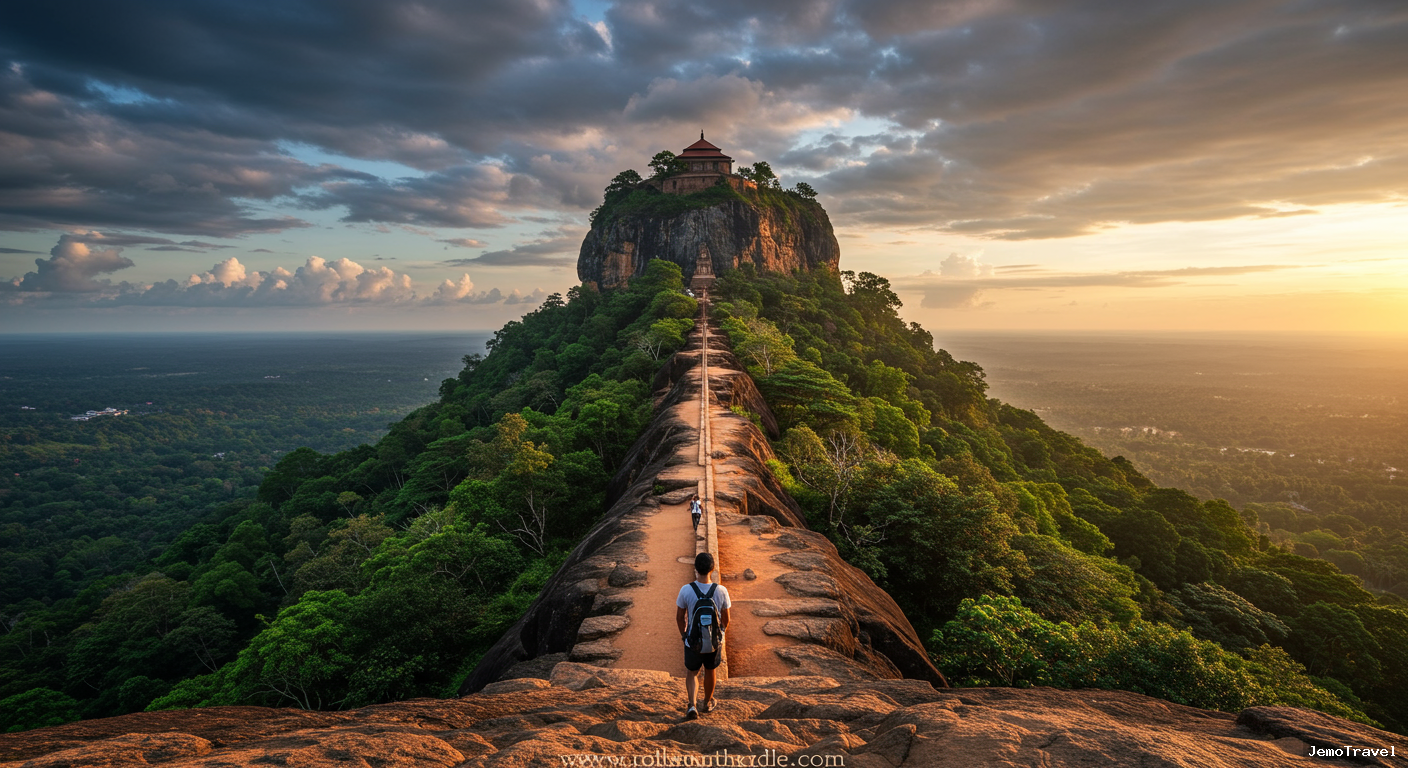
The Ultimate Guide to Must-Visit Places in Sri Lanka for 2026
Explore Sri Lanka's unmissable destinations! From the ancient wonders of Sigiriya to the golden beac...
Read More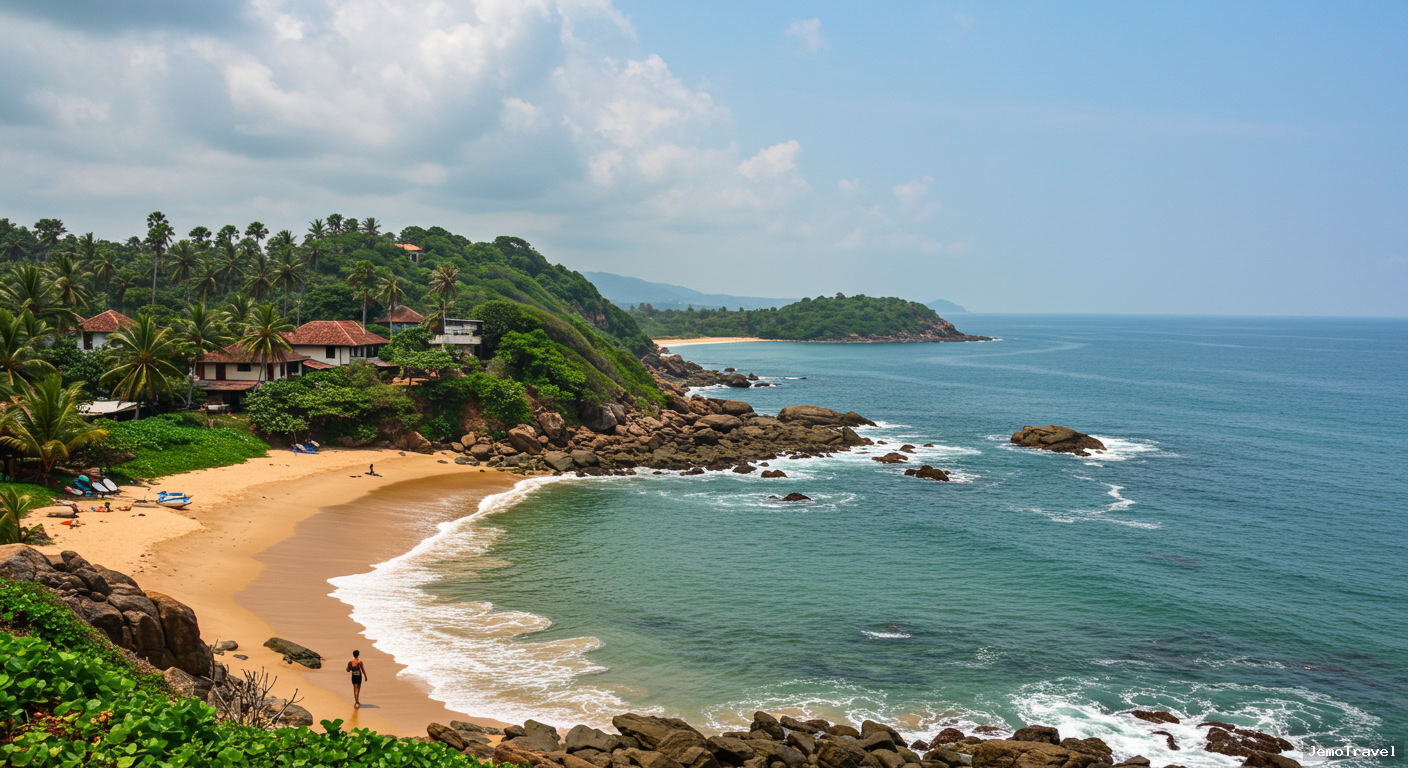
Sri Lanka's Golden Coast: A Guide to the Most Beautiful Beaches
Discover Sri Lanka's stunning coastline, from the surf havens of Arugam Bay to the tranquil shores o...
Read More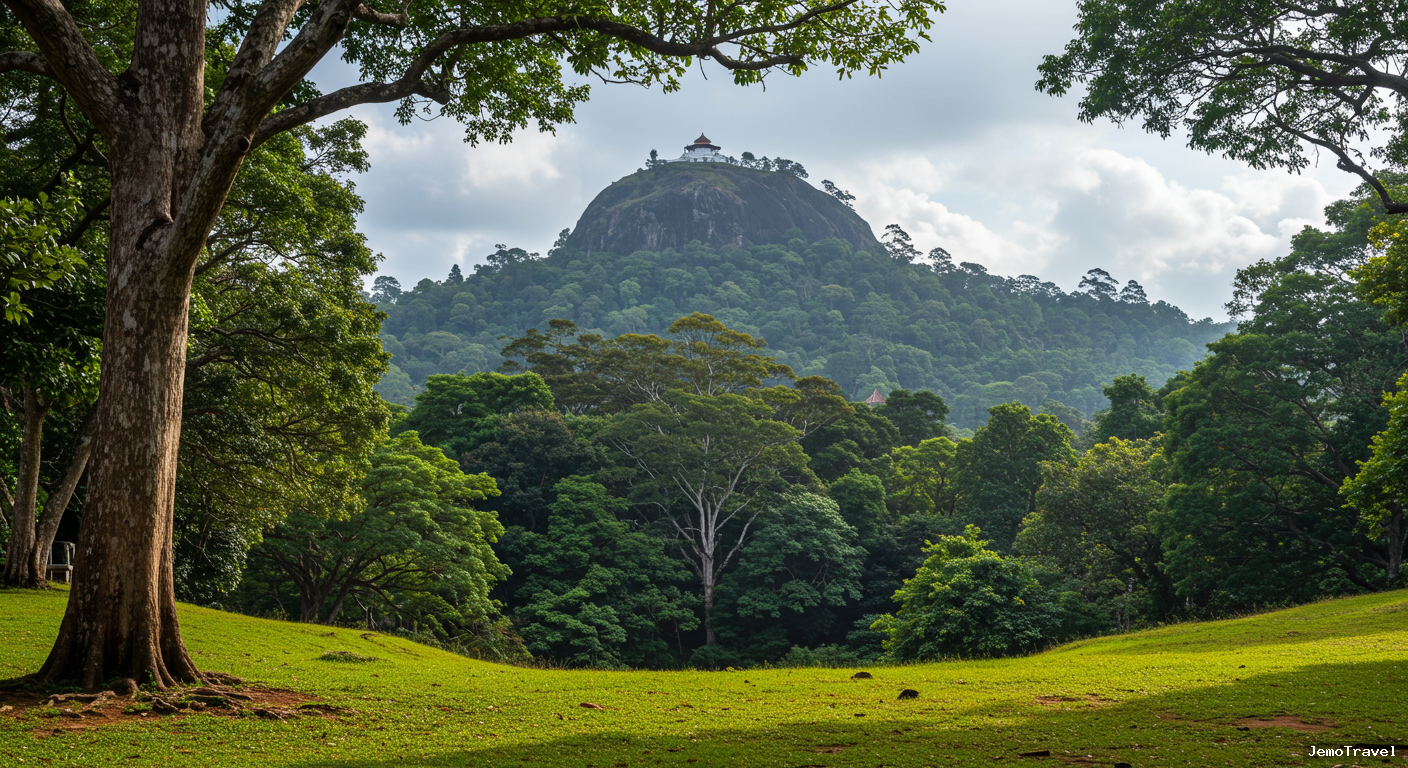
Udawattekele Sanctuary: Kandy's Royal Forest in Sri Lanka
Discover Udawattekele Sanctuary, Kandy's ancient royal forest. Explore lush trails, see rare wildlif...
Read More