
Tangalle Beach Sri Lanka: The Ultimate Guide to a Coastal Paradise
Discover Tangalle Beach, Sri Lanka's serene coastal jewel. This guide covers pristine bays, turtle watching at Rekawa, the ancient Mulkirigala Temple, and more.
Introduction
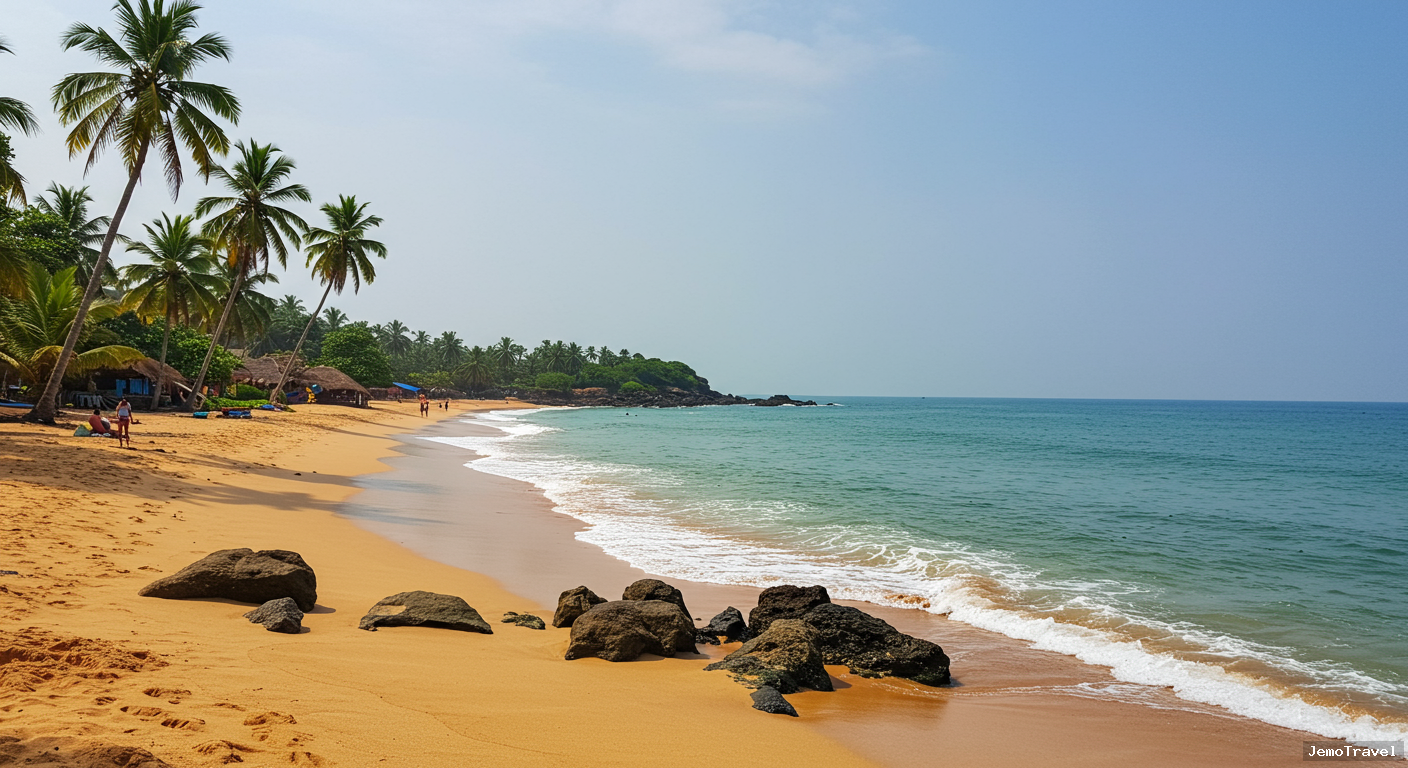
Nestled on Sri Lanka’s sun-drenched southern coast, Tangalle is not just a single stretch of sand but a magnificent collection of sweeping, golden bays that represent one of the island's final frontiers of coastal tranquility. Unlike its more bustling counterparts, Tangalle offers a profound sense of escape, where the rhythmic crash of the Indian Ocean is the predominant soundtrack. Here, visitors find a landscape fringed with swaying palm trees, rugged rock formations, and a series of coves, each with its own distinct personality—from the serene swimming spots of Goyambokka to the vast, wild expanse of Medaketiya Beach. A visit to Tangalle is an invitation to unwind on some of the country’s most beautiful and least crowded beaches, while also serving as a perfect base for exploring incredible natural and cultural wonders, including vital sea turtle nesting sites and ancient rock temples.
History & Background
Tangalle’s history is as deep and layered as the ocean it borders. The name 'Tangalle' is derived from the Sinhala words 'ran gala,' meaning 'golden rock,' a nod to the unique geology of its coastline. For centuries, it served as a quiet fishing village, its strategic location on the southern tip of Sri Lanka making it a useful, albeit minor, anchorage. Its significance grew during the Dutch colonial period in the 18th century. The Dutch, recognizing its value as a port, established a small fort to administer the region and control maritime trade. Though smaller than the grand fortresses in Galle or Colombo, the Dutch Fort in Tangalle still stands today, having been repurposed over the years and now serving as a prison—a stark reminder of the area's colonial past.
The 20th century saw Tangalle evolve slowly, retaining its fishing-based economy and rustic charm. However, the region's modern history is indelibly marked by the devastating Indian Ocean tsunami of December 26, 2004. Tangalle was one of the most severely affected areas in Sri Lanka, suffering immense loss of life and destruction of infrastructure. The subsequent years were defined by a remarkable story of resilience and rebuilding. The local community, with international support, painstakingly reconstructed homes, businesses, and livelihoods. Today, Tangalle stands as a testament to this resilience, having re-emerged as a cherished destination that honors its past while embracing a future in sustainable tourism.
What to See and Do
Tangalle’s allure lies in its perfect balance of blissful relaxation and captivating adventure. The coastline itself is the main attraction, a string of unique beaches waiting to be explored. Medaketiya and Medilla beaches form a long, dramatic sweep of sand perfect for sunrise strolls, though swimming requires caution due to strong currents. For calmer waters, head west to the picturesque, enclosed coves of Goyambokka and Silent Beach, which offer safer conditions for a dip and a truly idyllic atmosphere. These smaller bays are postcard-perfect, framed by granite boulders and lush greenery.
One of the most profound experiences near Tangalle is witnessing sea turtles nest at Rekawa Beach. This protected stretch of coastline is a critical nesting ground for five of the world's seven sea turtle species, including the Green, Hawksbill, and Olive Ridley turtles. The Rekawa Turtle Conservation Project organizes nightly viewings, where visitors can watch these magnificent creatures emerge from the ocean to lay their eggs in a respectful, non-intrusive manner. It’s a truly magical and educational encounter with nature.
For a dose of culture and history, a visit to the Mulkirigala Raja Maha Viharaya is essential. This ancient Buddhist rock temple, often called 'Little Sigiriya,' is a complex of terraced caves carved into a 205-meter-high monolith. As you ascend the 533 steps, you'll discover seven cave temples filled with intricate murals, reclining Buddha statues, and historical inscriptions dating back nearly 2,000 years. The panoramic view from the summit, stretching across the palm-dotted landscape to the sea, is a breathtaking reward for the climb.
Just a short drive from Tangalle is the Hummanaya Blowhole, the second-largest of its kind in the world. Here, seawater is forced through a submerged cavern and erupts into the air, creating a spectacular plume of water that can reach heights of up to 30 meters. The effect is most dramatic during the monsoon season (June to September) when the seas are rougher, but it remains an impressive sight year-round.
Best Time to Visit
Timing your visit to Tangalle can significantly enhance your experience, as the weather is dictated by two distinct monsoon seasons. The ideal time to travel is during the main dry season, which runs from November to April. During these months, you can expect long, sunny days, clear blue skies, and average temperatures hovering between 27°C and 30°C (81°F to 86°F). The ocean is generally calm and inviting, making it perfect for swimming in sheltered bays and enjoying all the coastal activities Tangalle has to offer. This period is considered the peak tourist season, so it’s wise to book accommodations in advance.
The secondary, less intense monsoon season, known as the 'Yala' monsoon, affects the southern coast from May to October. This period brings more frequent rainfall, higher humidity, and rougher seas with strong currents, making swimming hazardous in many areas. However, this season has its own appeal: the landscape is incredibly lush and green, tourist numbers are lower, and you can often find better deals on accommodation. Furthermore, the powerful waves make for a more spectacular display at the Hummanaya Blowhole. For travellers who don’t mind occasional showers, the shoulder months of May, October, and November can offer a pleasant balance of decent weather and fewer crowds.
How to Get There
Reaching Tangalle is a straightforward journey, thanks to Sri Lanka’s well-developed infrastructure connecting Colombo to the southern coast. The most efficient way to travel from Bandaranaike International Airport (CMB) or Colombo is by private vehicle via the Southern Expressway (E01). This modern highway bypasses coastal traffic, and the journey to the Tangalle exit typically takes around 2.5 to 3 hours, covering a distance of approximately 195 kilometers. From the highway exit, it’s a further 20-minute drive into the main town. JEMO TRIP & TOUR can arrange comfortable, air-conditioned private transfers for a seamless and stress-free arrival.
For those seeking a more budget-friendly option, public transportation is readily available. While there is no direct train to Tangalle, you can take a scenic coastal train from Colombo to Matara, the nearest major railway hub. The train ride itself offers beautiful views and takes about 3-4 hours. From Matara, Tangalle is approximately an hour away by local bus or a 45-minute journey by tuk-tuk or taxi. Buses run frequently between Matara and Tangalle and are the most economical choice. Direct air-conditioned highway buses from Colombo to Tangalle are also available, offering a comfortable and affordable alternative to a private car.
Travel Tips & Recommendations
To make the most of your Tangalle getaway, keep a few practical tips in mind. While the beaches are stunning, the Indian Ocean can have powerful undercurrents and waves. Always exercise caution when swimming, and stick to the more sheltered coves like Goyambokka. It's best to seek local advice about current sea conditions before venturing in. Be sure to pack high-SPF, reef-safe sunscreen, a wide-brimmed hat, and sunglasses, as the tropical sun is intense. Insect repellent is also essential, especially for evenings and visits to lagoons or jungle areas.
While credit cards are accepted at larger hotels and restaurants, many smaller guesthouses, local eateries, and shops operate on a cash-only basis. It’s wise to carry a sufficient amount of Sri Lankan Rupees (LKR). When visiting religious sites like the Mulkirigala Rock Temple, show respect by dressing modestly; ensure your shoulders and knees are covered. Finally, embrace the unhurried pace of life. Tangalle is a place to disconnect and recharge, so allow yourself to settle into its tranquil rhythm and savor the serene beauty around you.
Conclusion
Tangalle is a true Sri Lankan treasure, offering a rare blend of pristine, undeveloped beaches, rich biodiversity, and profound cultural heritage. It’s a destination that invites you to walk on golden sands, witness ancient natural wonders, and connect with a side of Sri Lanka that remains wonderfully authentic and serene. Whether you seek quiet contemplation or gentle adventure, Tangalle delivers an unforgettable coastal escape. Let JEMO TRIP & TOUR craft your perfect Tangalle itinerary and handle all the details for a truly seamless journey to this southern paradise.
Related Articles
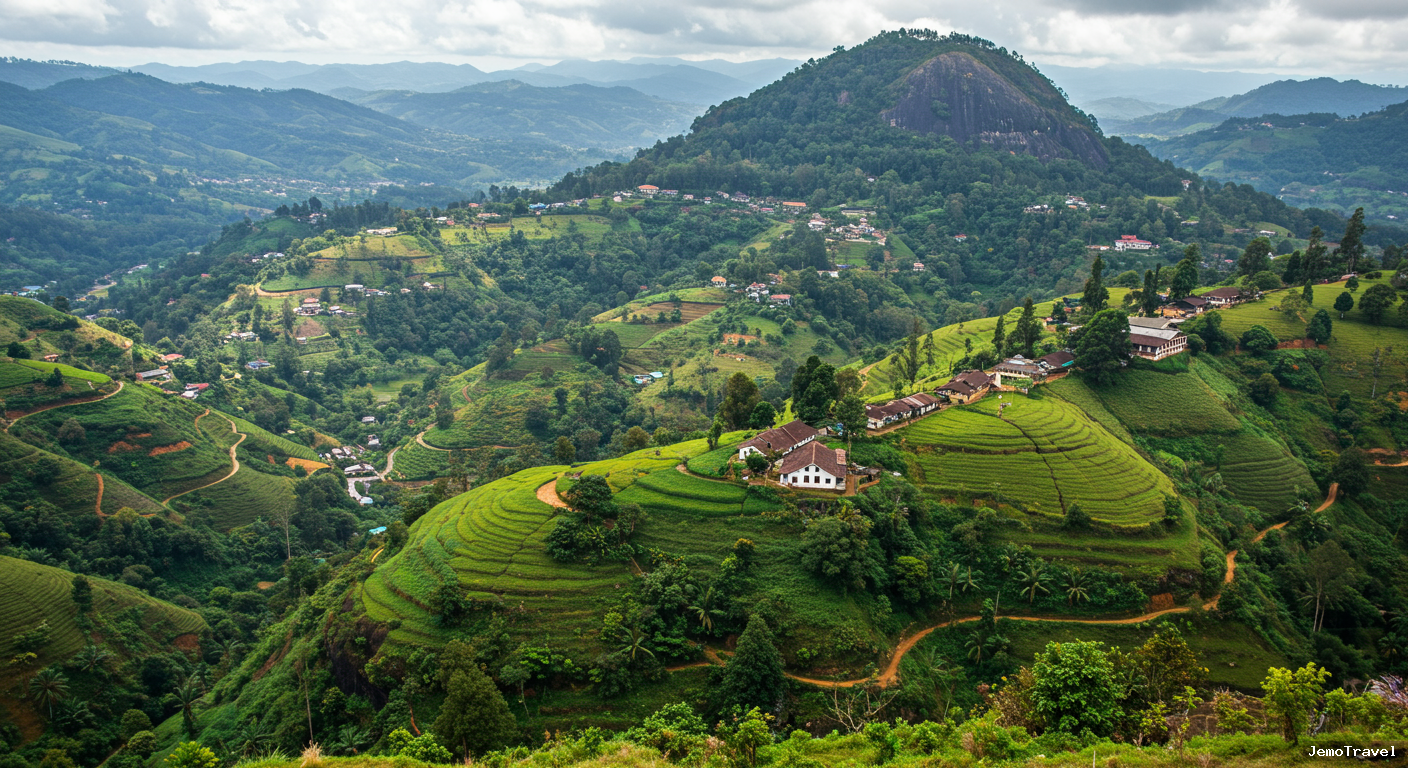
Ella, Sri Lanka: Your Guide to the Hill Country's Green Paradise
Discover the emerald hills and misty mountains of Ella, Sri Lanka. Our complete guide covers epic hi...
Read More
Jaffna, Sri Lanka: A Cultural Journey to the Resilient North
Venture beyond the usual tourist path to Jaffna, Sri Lanka's northern capital. Discover a city of pr...
Read More
Maligawila & Buduruwagala: Sri Lanka’s Forgotten Sacred Giants
Venture off the beaten path into Sri Lanka’s Uva province. Discover the colossal, jungle-swathed sta...
Read More