Where to Surf in Sri Lanka: The Ultimate Seasonal Guide
Master Sri Lanka's dual surf seasons with our expert guide. Find out exactly where and when to surf on the island, from the points of Arugam Bay to the sandy shores of Weligama.
Introduction
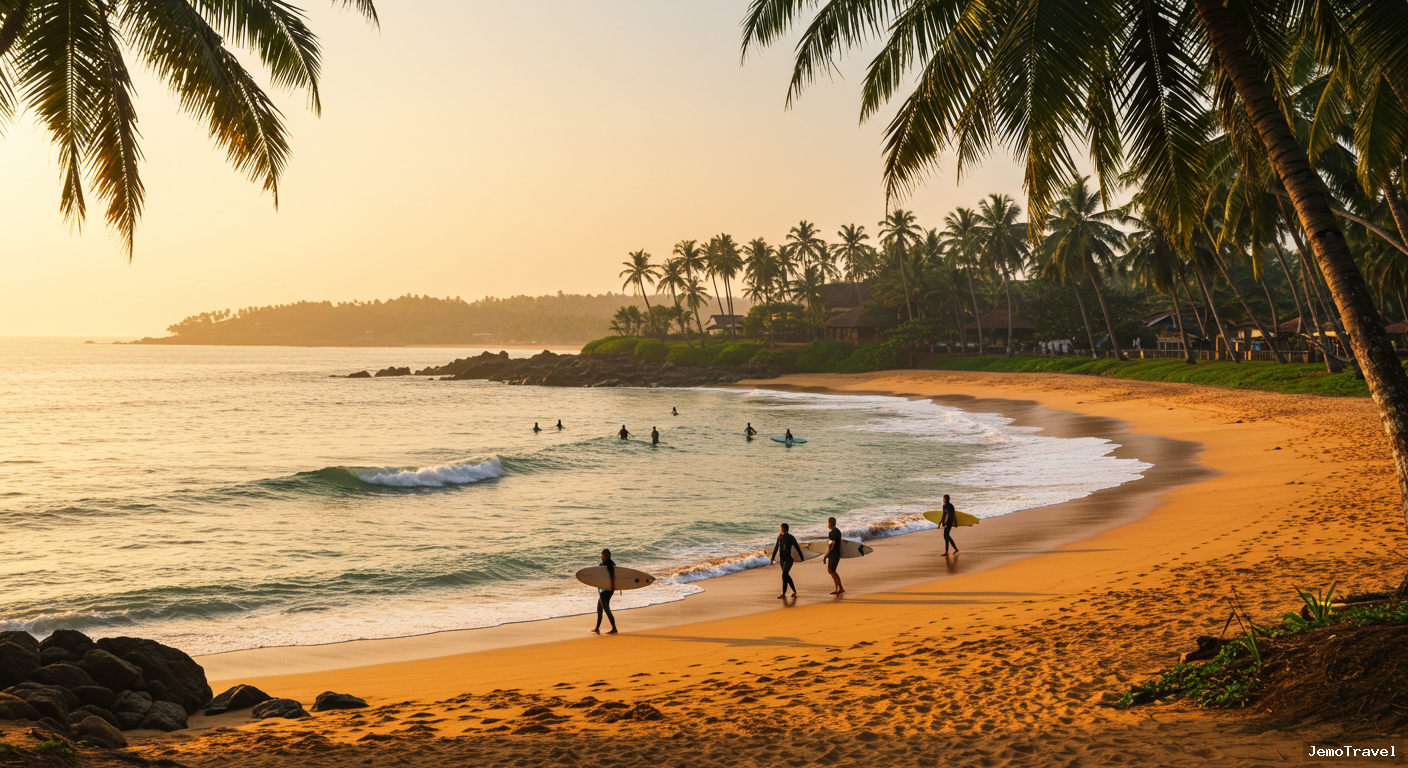
Sri Lanka features two distinct surf seasons dictated by the island's alternating monsoons, meaning there are world-class waves breaking somewhere on the coast all year round. From November to April, the best surfing conditions are found on the South and West coasts in towns like Weligama, Hikkaduwa, and Midigama. Conversely, from May to October, the dry season hits the East coast, making Arugam Bay and its surrounding breaks the premier destination for consistent swells.
For surfers, this geographical quirk makes Sri Lanka one of the most reliable and appealing surf destinations in the world. Instead of worrying about a flat season, you simply migrate to the other side of the island. With water temperatures hovering around a balmy 27°C to 29°C (81°F to 84°F) throughout the year, you can leave the wetsuit at home. Whether you are catching your very first whitewater wave or you are an advanced surfer looking for long, peeling reef breaks, understanding the timing and geography of Sri Lanka's coastlines is the key to a perfect surf trip.
Understanding Sri Lanka’s Dual Surf Seasons
The island's weather is governed by two major weather systems: the Maha monsoon and the Yala monsoon. These weather patterns do not just bring rain; they dictate wind direction, swell size, and offshore conditions.
The Maha monsoon blows from the northeast between October and January. During this time, the East coast experiences heavy rains and onshore winds that ruin the surf. However, this same wind pattern creates beautiful, offshore grooming for the swells hitting the South and West coasts.
The Yala monsoon blows from the southwest between May and August. While the South and West coasts get battered by rain and choppy onshore winds, the East coast remains dry. The winds blow offshore on the eastern seaboard, shaping the long-distance groundswells from the Indian Ocean into perfect, peeling right-handers.
South and West Coast Surf Spots (November to April)
During the Northern Hemisphere's winter, surfers flock to Sri Lanka's South and West coasts. This stretch of coastline is incredibly diverse, offering everything from gentle, sandy-bottom bays to shallow, fast reef breaks.
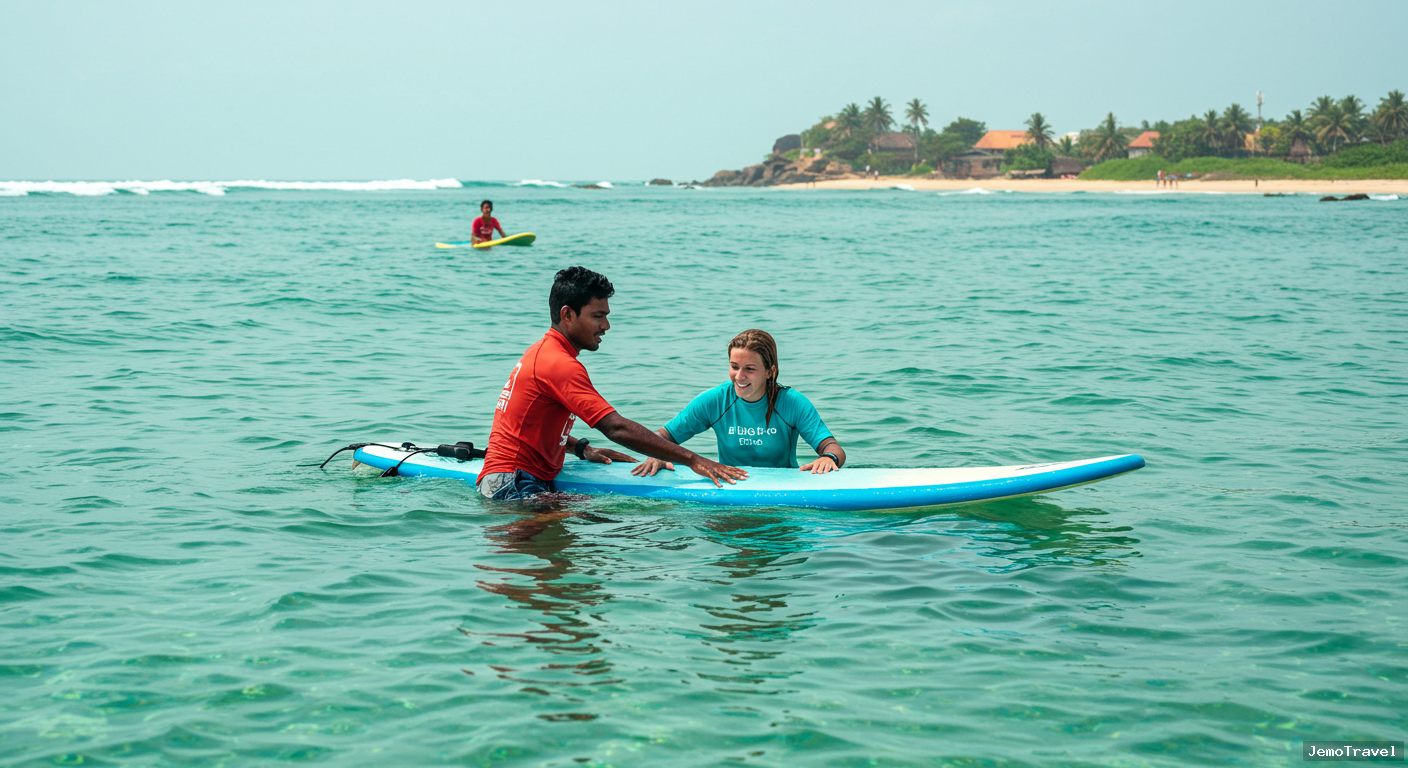
Weligama Weligama is the undisputed beginner capital of Sri Lanka. The expansive, horseshoe-shaped bay is almost entirely sandy-bottomed, making it a safe place to learn. The waves here are soft and crumbly, providing long rides that are perfect for longboards and foamies. Dozens of surf schools line the beach, offering lessons and board rentals. Even on days when the swell is massive out on the reefs, Weligama's sheltered position keeps the waves manageable.
Midigama Just a short drive west of Weligama lies Midigama, a sleepy village that caters heavily to intermediate and advanced surfers. Midigama is famous for two main breaks: Lazy Left and Ram's Right. Lazy Left is a deep reef break that produces a long, mellow left-hander, ideal for intermediate surfers and longboarders. Ram's Right, on the other hand, is a shallow, fast, and barreling right-hander over a sharp coral reef, strictly for experienced riders. After a morning session, grabbing a hearty plate of kottu roti at a local roadside cafe here is a rite of passage.
Hiriketiya Hiriketiya Bay, often just called "Hiri," is a picturesque, jungle-fringed cove located further south near Dikwella. It features two waves: a punchy, shallow left-hand reef break on the western edge of the bay for advanced shortboarders, and a soft, rolling beach break in the center that is perfect for beginners. The bay's unique shape protects it from crosswinds, meaning it often stays glassy late into the morning.
Hikkaduwa Located on the West coast, Hikkaduwa is one of Sri Lanka's oldest surf towns. The main break is an A-frame reef break that can hold sizable swells. It offers both lefts and rights and breaks over a relatively forgiving reef. Hikkaduwa is also known for its vibrant nightlife and bustling beach bars, making it a popular spot for surfers who want a lively atmosphere after the sun goes down.
East Coast Surf Spots (May to October)
When the summer months arrive, the surf community migrates across the island to the East coast. The surf culture here is concentrated around one main hub, but the surrounding coastline is dotted with secret spots and world-class points.
Arugam Bay (Main Point) Arugam Bay is the crown jewel of Sri Lankan surfing. Main Point is a world-class right-hand point break that peels flawlessly over a reef and sand bottom. On a good day, rides can last for hundreds of meters, offering fast sections and occasional cover-ups. Because it is the most famous wave on the island, the lineup can get highly competitive during the peak months of July and August.
Whiskey Point and Peanut Farm If Main Point is too crowded or too big, surfers head a short tuk-tuk ride north to Whiskey Point or south to Peanut Farm. Whiskey Point breaks off a rock outcropping and is famously forgiving, making it a favorite for beginners, longboarders, and surf schools. Peanut Farm is beautifully scenic, accessed via a bumpy dirt road through scrub jungle where wild elephants are occasionally spotted. It offers a mellow right-hander that is incredibly fun and playful.
Elephant Rock Located further south of Arugam Bay, Elephant Rock is a stunning, isolated bay. The wave requires a bit of a walk and a wade across a lagoon (keep an eye out for crocodiles in the evening). The right-hand wave here is exceptionally clean and less crowded than A-Bay, though it works best on a medium swell.
How to Get to the Surf Breaks
Navigating Sri Lanka with a surfboard has become significantly easier in recent years, though travel times can still be lengthy depending on your destination.
If you are heading to the South or West coast (November to April) from Bandaranaike International Airport (CMB), the journey is straightforward. You can hire an airport taxi or private van and take the Southern Expressway (E01). This modern highway cuts the travel time to towns like Hikkaduwa, Galle, and Weligama down to just 2 to 3 hours.
Reaching the East coast (May to October) is a bigger commitment. Arugam Bay is located on the opposite side of the island from the international airport. A private taxi will take approximately 7 to 8 hours, winding through the central highlands and national parks like Lahugala. Alternatively, budget-conscious travelers can take a scenic but long bus ride from Colombo. For a faster route, domestic flights are occasionally available from Colombo to Batticaloa, followed by a 2.5-hour taxi ride south to Arugam Bay.
Practical Tips for Surfers in Sri Lanka
- Sun Protection is Mandatory: The tropical sun is unforgiving, especially reflecting off the water. A good quality, reef-safe zinc sunscreen and a UPF 50+ rash guard are essential. Surf hats are also highly recommended for long midday sessions.
- Reef Booties: While spots like Weligama are sandy, many of the best waves in Midigama, Hikkaduwa, and Arugam Bay break over coral and sea urchin-covered reefs. Packing a pair of reef booties will save your feet and keep you in the water.
- Ding Repairs and Gear: The surf towns in Sri Lanka are well-equipped. You will find excellent, affordable ding repair shops in both Midigama and Arugam Bay. Wax, leashes, and fins are widely available to buy, though bringing your preferred brand of tropical water wax from home is never a bad idea.
- Transportation: Local tuk-tuks are the preferred method of getting from your guesthouse to the break. Most tuk-tuk drivers in surf towns have soft racks strapped to the roof of their three-wheelers specifically to carry surfboards. Always negotiate the fare before loading up.
- Respect the Lineup: Surfing is booming in Sri Lanka, bringing busy lineups. Practice good surf etiquette: do not drop in, wait your turn, and be respectful to the local Sri Lankan surfers who share their beautiful waves with visitors year-round.
Conclusion
Sri Lanka’s unique geography ensures that whenever you have time to travel, an offshore breeze and a rolling swell are waiting for you somewhere on the island. By following the monsoon winds—heading South and West in the winter, and East in the summer—you can guarantee yourself a trip filled with warm water, fantastic food, and unforgettable waves. When you are ready to plan your ultimate surf adventure, whether that includes arranging surfboard-friendly transport across the island or finding the perfect beachfront accommodation near the breaks, JEMO TRIP & TOUR offers expert local guidance to ensure your coastal journey is completely seamless.
Frequently asked questions
When is the best time to surf in Sri Lanka?
The South and West coasts offer the best surfing from November to April. The East coast, particularly Arugam Bay, peaks from May to October due to the changing monsoon patterns.
Where is the best place for beginner surfers in Sri Lanka?
Weligama on the South Coast is ideal for beginners due to its sheltered, sandy-bottom bay and numerous surf schools. On the East Coast, Whiskey Point is an excellent, forgiving alternative.
Do I need a wetsuit to surf in Sri Lanka?
No, the ocean temperature in Sri Lanka remains around 27°C to 29°C (81°F to 84°F) year-round. You only need a swimsuit and a rash guard for sun protection.
How do I transport my surfboard in Sri Lanka?
Most local taxis and tuk-tuks in surf towns are equipped with soft racks or straps to carry boards on their roofs. Private airport vans can also easily accommodate board bags.
Related Articles
Sri Lanka's Endless Wave: A Seasonal Guide to Surfing
Discover Sri Lanka's unique dual coastline for year-round surfing. Our seasonal guide reveals the be...
Read More
Sigiriya Lion Rock: A Guide to Sri Lanka's Ancient Fortress
Discover the awe-inspiring Sigiriya Lion Rock, a UNESCO World Heritage site in Sri Lanka. Climb the...
Read More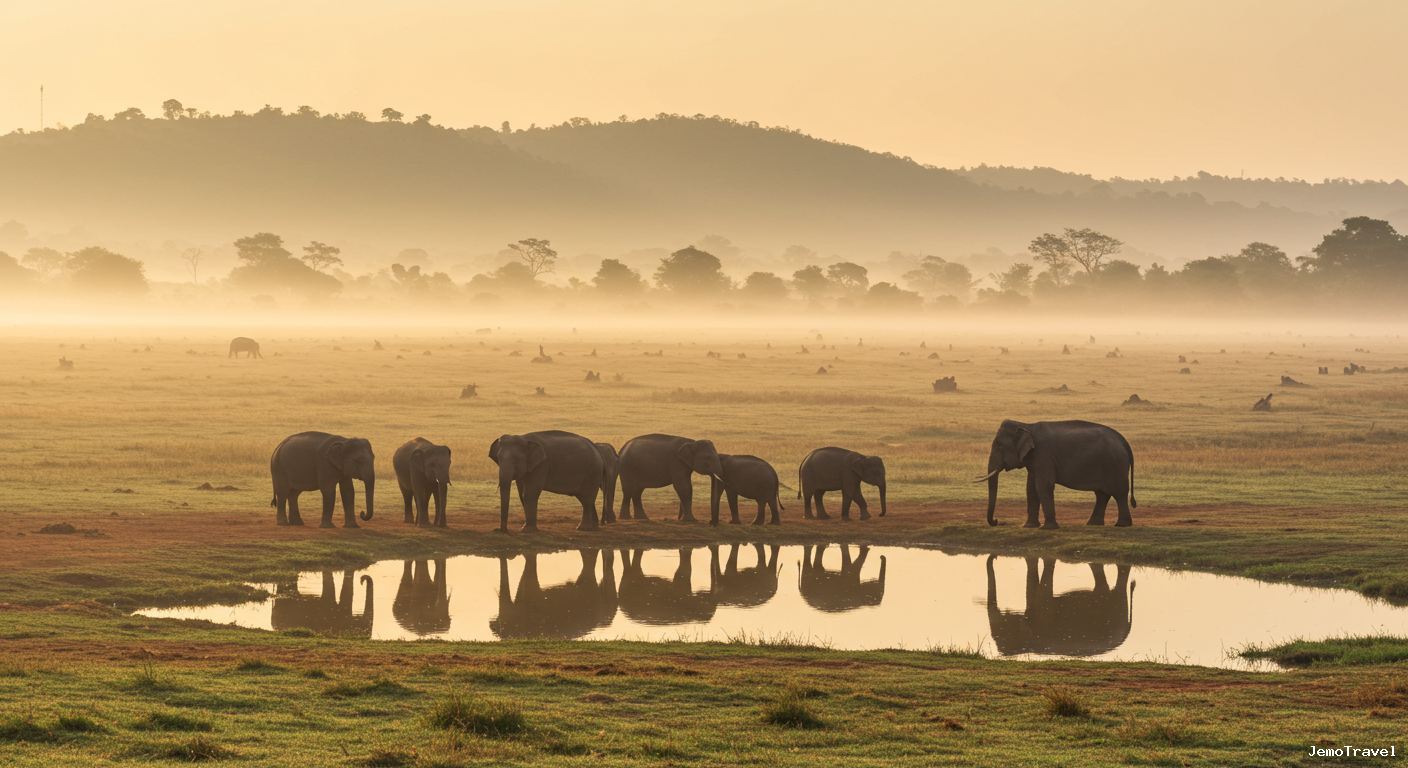
Best Wildlife Safaris in Sri Lanka: Top National Parks Guide
Sri Lanka is a premier wildlife destination. Explore the best wildlife safaris in Sri Lanka, featuri...
Read More