
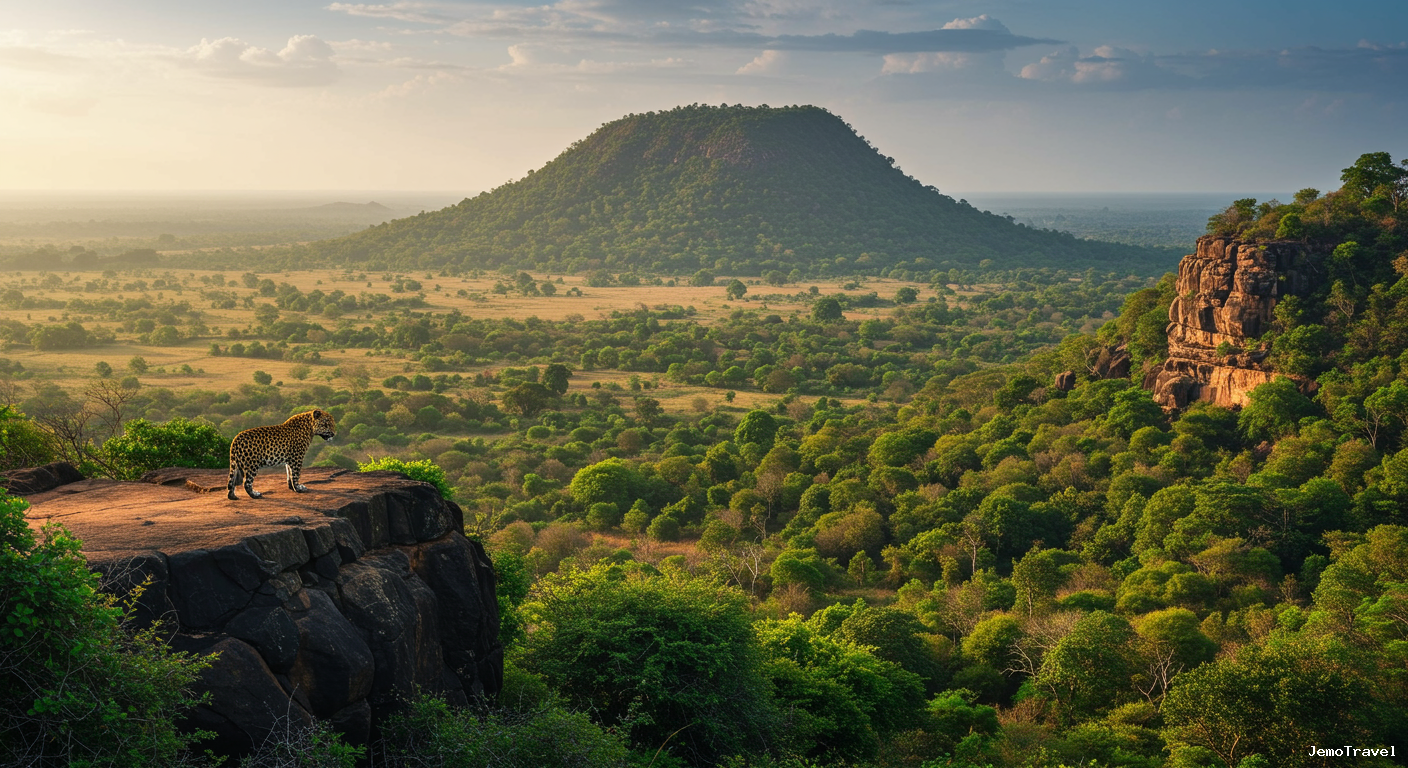
Yala Safari: Sri Lanka's Ultimate Leopard & Wildlife Adventure
Discover the untamed wilderness of Yala National Park! Plan your ultimate Sri Lanka safari to see leopards, elephants, and diverse wildlife with our expert guide.
Introduction
Embark on an adventure into the heart of Sri Lanka’s untamed wilderness with a safari in Yala National Park. Renowned globally for having one of the highest densities of leopards in the world, Yala offers an unparalleled wildlife spectacle that captivates photographers, nature lovers, and thrill-seekers alike. This vast expanse of 979 square kilometers is not just about its elusive big cats; it is a thriving ecosystem where majestic elephants roam freely, sloth bears forage in the undergrowth, and hundreds of bird species paint the sky. A journey through Yala is a symphony of sights and sounds—the rumble of the safari jeep, the alarm call of a deer signaling a predator nearby, and the breathtaking view of a peacock displaying its plumage. A Yala safari is an essential Sri Lankan experience, promising raw, unfiltered encounters with nature at its most magnificent and wild.
History & Background
Yala’s history is as rich and layered as its ecosystem. Its story begins long before its modern conservation status, with evidence of ancient civilizations dotting its landscape. The region was a vital part of the Ruhuna Kingdom, and archaeological sites like the Sithulpawwa rock temple, an ancient monastery dating back to the 2nd century BC, stand as silent testaments to a time when monks sought solitude amidst this wild terrain. In 1900, under British rule, the area was designated a sanctuary, initially serving as a hunting ground for the colonial elite. The focus, however, gradually shifted from sport to conservation.
On February 25, 1938, a pivotal moment in Sri Lanka's conservation history occurred when Yala Block I was officially declared a National Park. Over the decades, the park expanded to encompass five distinct blocks, with adjacent areas like the Kumana National Park (Yala East) further extending this critical wildlife corridor. Today, Yala National Park is a complex mosaic of protected areas, each contributing to the preservation of a vast range of habitats and species.
The park also demonstrated incredible resilience in the face of natural disaster. The devastating 2004 Indian Ocean tsunami struck its coastal boundaries, yet the ecosystem and its wildlife populations have since made a remarkable recovery, a powerful symbol of nature's enduring strength. This blend of ancient history, colonial legacy, and modern conservation efforts makes Yala a place of profound natural and cultural significance.
What to See and Do
A Yala safari is a multi-faceted experience, with a stunning array of wildlife and landscapes waiting to be discovered. The undisputed star of the show is the majestic Sri Lankan leopard (Panthera pardus kotiya), a unique subspecies endemic to the island. Block 1 of Yala is celebrated for its high concentration of these predators, and a game drive here offers the best chance in Asia for a sighting. Expert guides from JEMO TRIP & TOUR know the leopards' favorite haunts—rocky outcrops, shady branches, and quiet trails—increasing your odds of a truly unforgettable encounter.
Beyond leopards, Yala is home to an impressive cast of mammals. Herds of Sri Lankan elephants, the largest Asian elephant subspecies, are a common and awe-inspiring sight, often seen drinking at waterholes or crossing the dusty tracks. Keep a keen eye out for the shaggy-coated sloth bear, especially during the fruiting season of the Palu tree (May-July). Other frequent sightings include graceful spotted deer, large sambar deer, wild boar, mongooses, and the clever golden jackal.
For birdwatchers, Yala is a veritable paradise, boasting over 215 bird species, including six endemic to Sri Lanka. The park’s diverse habitats attract both resident and migratory birds. Look for the vibrant Indian peafowl, painted storks wading in the lagoons, crested serpent eagles scanning from above, and the national bird, the Sri Lanka junglefowl. The wetlands and coastal areas are particularly rewarding for spotting waders and seabirds.
The landscape itself is an attraction. Your safari will traverse a dynamic terrain of thorny scrubland, dense monsoon forests, open grasslands reminiscent of the African savanna, and brackish lagoons. A designated stop at Patanangala Beach offers a moment to stretch your legs, feel the sea breeze, and appreciate the dramatic coastline where the jungle meets the Indian Ocean. A visit to the Sithulpawwa rock temple within the park combines wildlife spotting with cultural immersion, offering panoramic views from its ancient summit.
Best Time to Visit
Timing your Yala safari is key to maximizing your wildlife viewing opportunities. The optimal period to visit is during the dry season, which typically runs from February to June. During these months, the weather is hot and dry, with average temperatures ranging from 28°C to 34°C. The receding water levels compel animals to congregate around the park's few remaining waterholes and lagoons, making them significantly easier to spot. This is considered the peak season for leopard sightings, as they are often seen lounging on sun-drenched rocks or seeking water.
Alternatively, the shoulder months of July and August can also offer excellent experiences with slightly fewer crowds than the absolute peak. The main monsoon season (northeast monsoon) affects the region from September to December, bringing heavy rains that can make jeep tracks muddy and challenging. However, this period transforms the park into a lush, green paradise and is fantastic for birdwatching. It is critical to note that the park, particularly Block 1, is usually closed for approximately one month during September and/or October. This annual closure allows the delicate ecosystem to rest and regenerate without human disturbance, so always verify dates with JEMO TRIP & TOUR when planning your trip.
How to Get There
Yala National Park is situated in the southeastern corner of Sri Lanka, making it accessible from several popular tourist hubs. The most common gateway to the park is the town of Tissamaharama (often called 'Tissa'), located about 20 kilometers from the Palatupana entrance gate, the main entry point for the popular Block 1. Most safari jeeps and accommodations are based in or around Tissa.
From Colombo’s Bandaranaike International Airport (CMB) or the city center, the journey to Tissa is approximately 260 kilometers. The most efficient route is via the Southern Expressway, a modern highway that significantly reduces travel time to around 4-5 hours by private car. JEMO TRIP & TOUR can arrange comfortable, air-conditioned private transfers for a hassle-free journey. For those traveling from the hill country, a drive from Ella takes about 2-3 hours. If you are exploring the southern coast, Yala is easily reachable from towns like Mirissa, Galle, or Tangalle.
To enter the park for a safari, you must hire an officially registered 4x4 safari jeep, which comes with a driver. Private vehicles are not permitted for game drives. We can pre-arrange your entire safari experience, including a top-quality jeep, an experienced driver-guide, and all park entrance fees.
Travel Tips & Recommendations
To make the most of your Yala adventure, a little preparation goes a long way. Dress in light, breathable clothing in neutral colors like khaki, beige, or green to blend in with the natural surroundings and avoid disturbing the animals. Protect yourself from the sun with a wide-brimmed hat, sunglasses, and high-SPF sunscreen. Also, pack insect repellent, especially for early morning or late afternoon drives. Essential gear includes a pair of binoculars for spotting distant wildlife and a camera with a good zoom lens to capture those incredible moments.
For the best wildlife sightings, opt for an early morning safari (starting around 6:00 AM) or a late afternoon safari (starting around 3:00 PM), as animals are most active during the cooler parts of the day. Always remain quiet and patient, as this greatly increases your chances of a rewarding experience. Listen to your guide—their expertise is invaluable. Finally, book your safari and accommodation well in advance, particularly during the peak season from December to April, to avoid disappointment. JEMO TRIP & TOUR can handle all these arrangements for you.
Conclusion
A safari in Yala National Park is more than just a tour; it is an immersion into the wild, untamed soul of Sri Lanka. From the heart-stopping moment you spot your first leopard to the serene beauty of a painted stork by a lagoon, Yala delivers memories that last a lifetime. It’s a powerful reminder of the incredible biodiversity our planet holds.
Are you ready for your wild Sri Lankan adventure? Contact JEMO TRIP & TOUR today to plan and book your expertly guided Yala safari for a seamless and unforgettable journey.
Related Articles
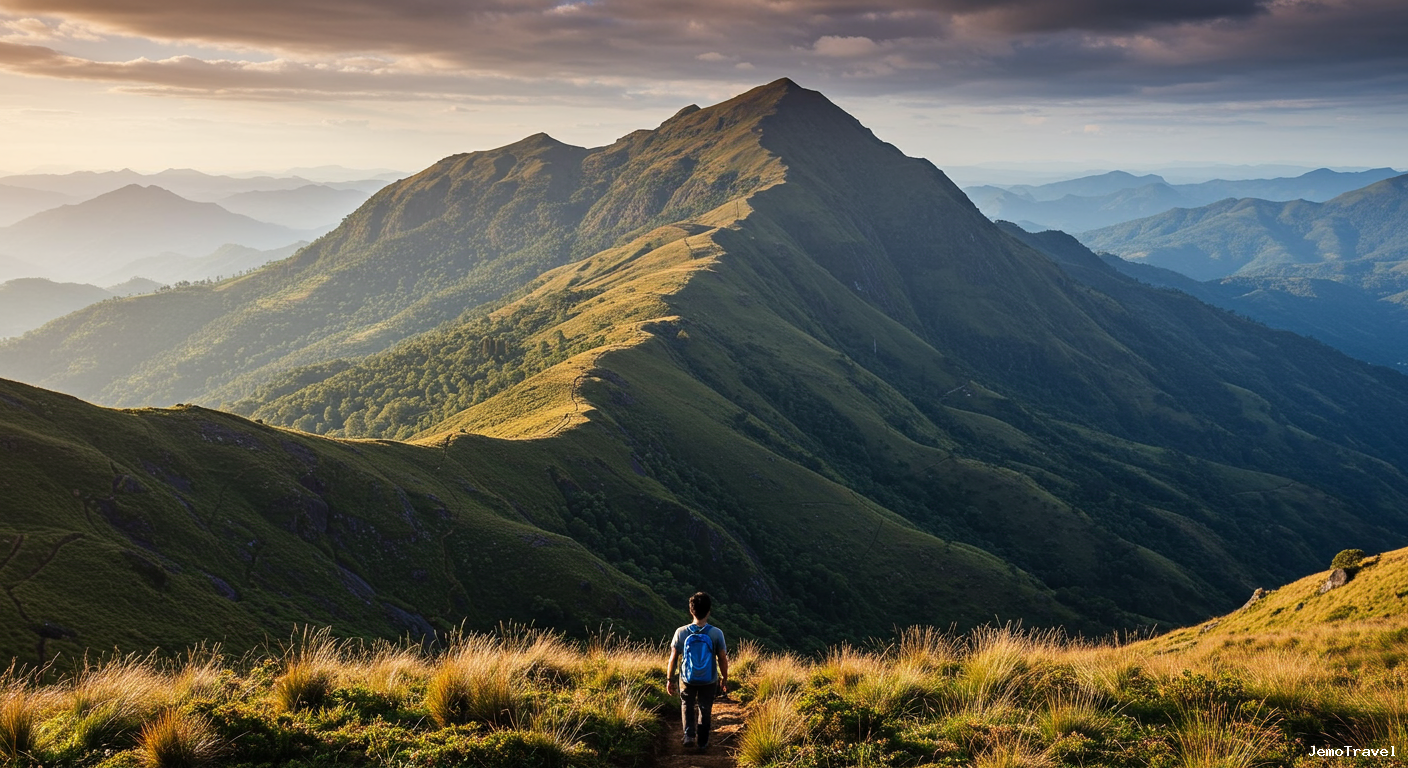
Knuckles Mountain Range Sri Lanka: A Hiker's Ultimate Guide
Explore the UNESCO World Heritage Knuckles Mountain Range in Sri Lanka. This guide covers the best h...
Read More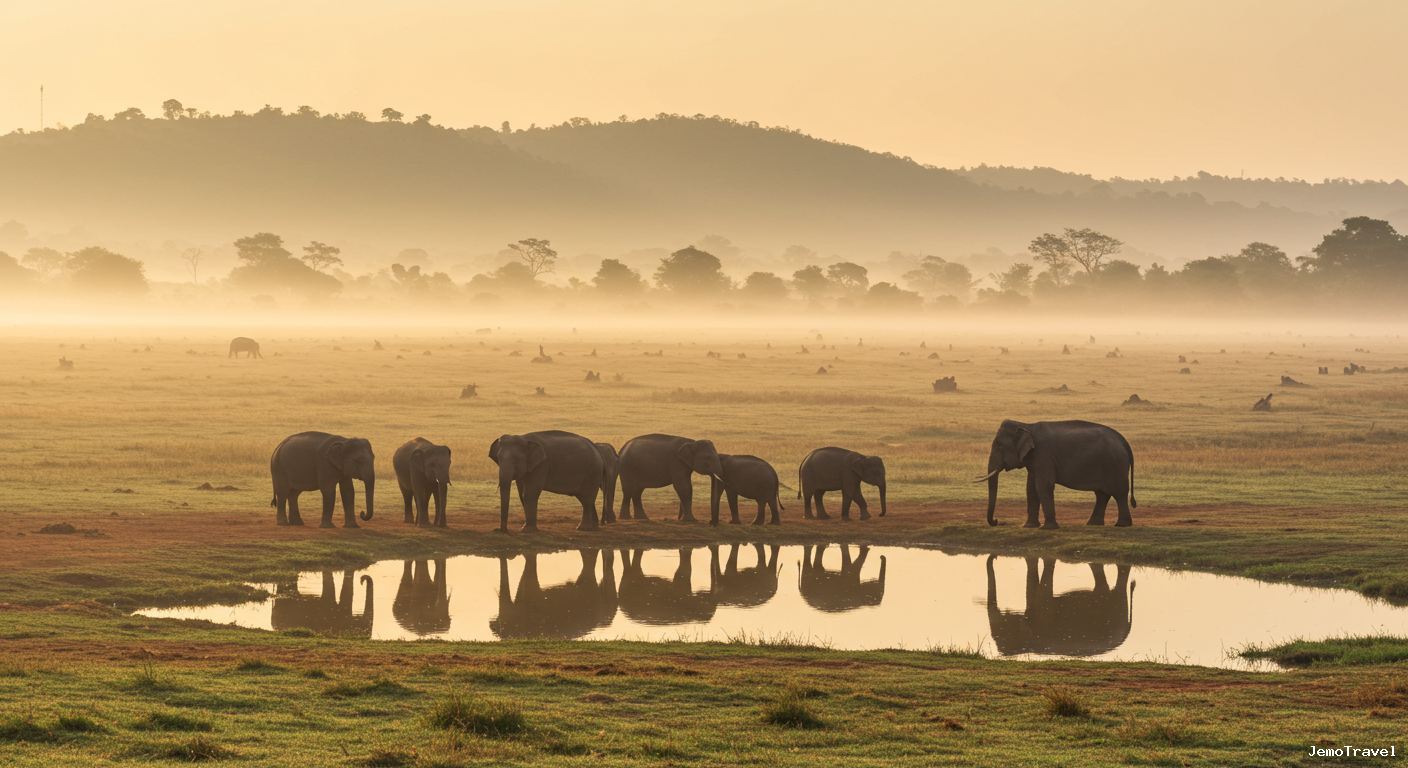
Best Wildlife Safaris in Sri Lanka: Top National Parks Guide
Sri Lanka is a premier wildlife destination. Explore the best wildlife safaris in Sri Lanka, featuri...
Read More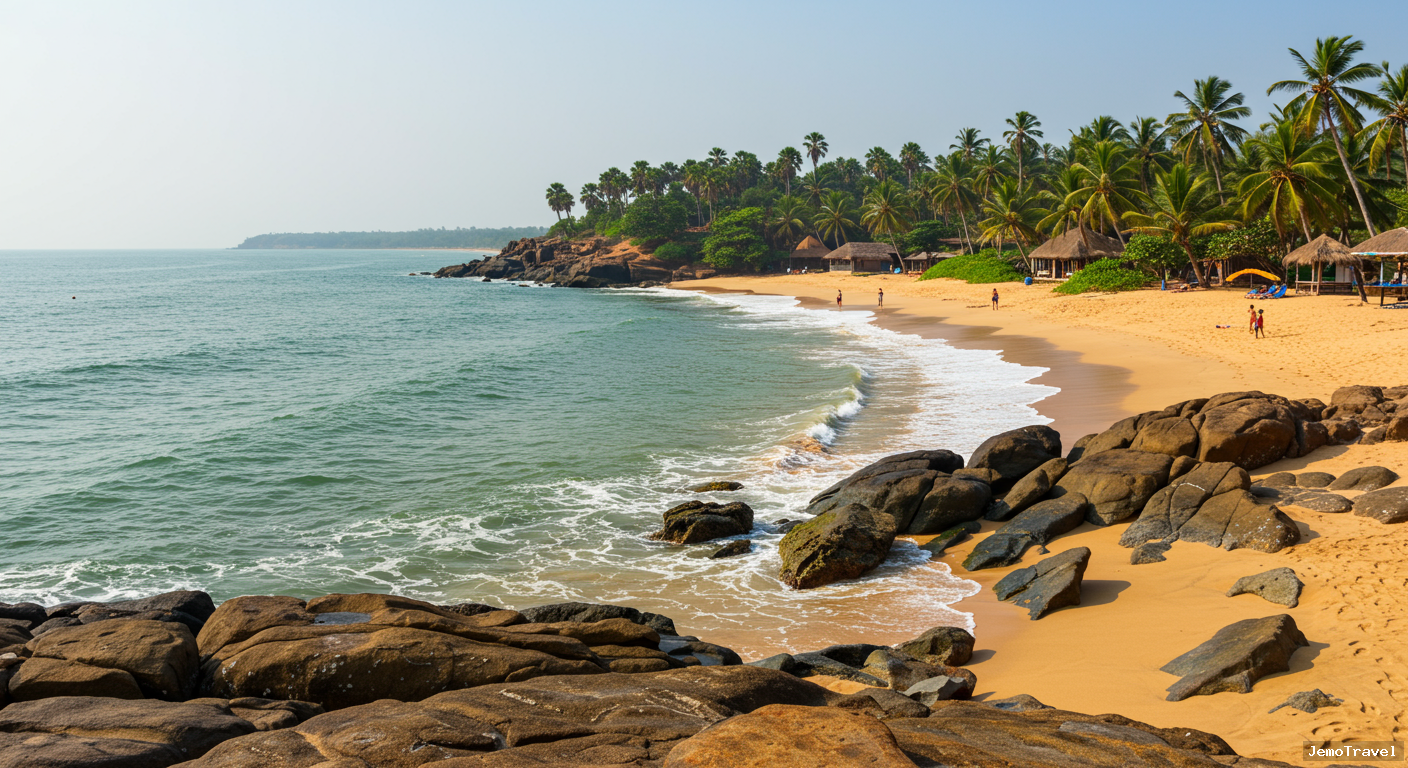
Mirissa Beach Guide: Sri Lanka's Unforgettable Coastal Paradise
Discover Mirissa, Sri Lanka's jewel of the south coast. Our guide covers whale watching, Coconut Tre...
Read More