
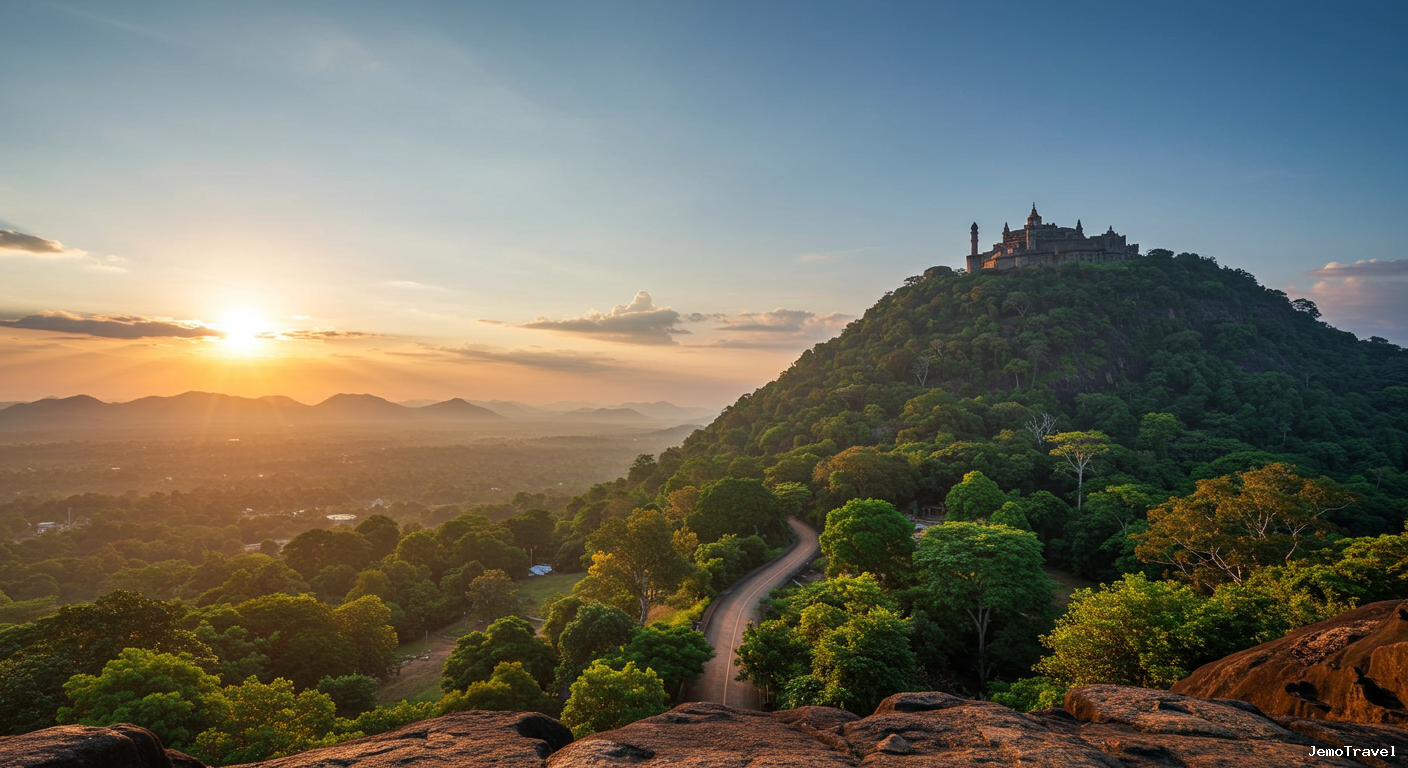
Is Sri Lanka Safe for Tourists? A 2025 Guide to a Secure Trip
Discover the truth about Sri Lanka's safety for tourists. Our 2025 guide covers everything from historical context to practical tips for a secure and unforgettable island adventure.
Introduction
Is Sri Lanka safe for tourists? This is a question on many travelers' minds, and the resounding answer is yes. The 'Pearl of the Indian Ocean' has navigated its recent challenges with resilience and has emerged as welcoming and secure as ever for international visitors. What makes Sri Lanka truly special is not just its staggering diversity—from the misty tea plantations of the Hill Country to the sun-drenched beaches of the south coast—but the incredible warmth and hospitality of its people. Tourism is a cornerstone of the nation's economy, and locals go above and beyond to ensure visitors feel safe and cherished. Travelers can expect a seamless journey through a land of ancient kingdoms, abundant wildlife, and vibrant culture, all supported by a robust and recovering tourism infrastructure. With most foreign governments having relaxed their travel advisories, now is a fantastic time to experience this island paradise firsthand.
History & Background
The conversation around safety in Sri Lanka is often shaped by its recent history. Following the end of the country's three-decade-long civil war in 2009, Sri Lanka entered a period of profound peace and stability, leading to a massive boom in tourism. The island quickly became one of the world's most sought-after travel destinations, celebrated for its newfound tranquility and incredible attractions. This decade of peace solidified its reputation as a safe and accessible country for travelers from all corners of the globe, with infrastructure developing rapidly to meet the growing demand.
This peaceful period was tragically interrupted by the Easter Sunday attacks in 2019. This event understandably raised security concerns. However, in its wake, the Sri Lankan government implemented comprehensive security enhancements across the country, with a particular focus on hotels, airports, and major tourist sites. Today, a visible but unobtrusive security presence remains in key areas, providing an added layer of reassurance for visitors.
More recently, the economic crisis of 2022 led to peaceful, citizen-led protests and political change. It's crucial to understand that these demonstrations were concentrated in specific locations in Colombo and were never targeted at tourists. Since mid-2022, the country has made remarkable strides towards stability. With the support of an IMF program, fuel queues have disappeared, essential supplies are readily available, and a sense of normalcy has returned. The resilience of the Sri Lankan people has shone through, and the nation is now firmly focused on rebuilding and welcoming visitors back with open arms.
What to See and Do
Sri Lanka's wealth of attractions are fully accessible and offer incredibly safe and enriching experiences for every type of traveler. The famed Cultural Triangle is a must-visit, home to several UNESCO World Heritage Sites. You can safely climb the magnificent Sigiriya Rock Fortress, marveling at the ancient frescoes and panoramic views from the top. Explore the sprawling, well-preserved ruins of the former capital, Polonnaruwa, by bicycle, and descend into the sacred Dambulla Cave Temple to witness its stunning collection of Buddha statues and religious murals. These sites are well-managed with dedicated tourist police, ensuring a secure environment for exploration.
The journey into the Hill Country is an experience in itself. The scenic train ride from Kandy to Ella is legendary and perfectly safe, offering breathtaking views of lush green tea estates. In towns like Nuwara Eliya and Ella, you can visit working tea plantations for a tour and tasting, learning about the process from leaf to cup. Hiking to viewpoints like Little Adam's Peak or walking across the iconic Nine Arch Bridge are popular and safe activities, surrounded by the region's serene, cool climate.
For beach lovers, the southern coast beckons with its golden sands and turquoise waters. Galle Fort, another UNESCO site, is a beautifully preserved colonial-era walled city where you can wander cobblestone streets lined with boutique shops and cafes. Further east, Mirissa is the hub for responsible whale and dolphin watching tours (best from November to April), while nearby Weligama offers gentle waves perfect for learning to surf from certified instructors. These coastal towns are well-equipped for tourists, with a wide range of secure accommodation and dining options.
No trip is complete without a wildlife safari. Udawalawe National Park offers virtually guaranteed sightings of large elephant herds in their natural habitat. For a chance to spot the elusive leopard, Yala National Park is your best bet. All safaris are conducted in registered jeeps with experienced local guides who prioritize both your safety and the well-being of the animals, making for a thrilling and responsible adventure.
Best Time to Visit
Planning your trip around Sri Lanka's weather patterns ensures the safest and most pleasant experience. The island has two distinct monsoon seasons that affect different parts of the country at different times, making it a true year-round destination. The primary 'Yala' monsoon brings rain to the south-west coast (where Galle, Mirissa, and Bentota are located) and the Hill Country from May to September. The 'Maha' monsoon affects the east coast and the northern regions from October to January.
For visiting the most popular tourist circuit—the west and south coasts and the cultural triangle—the ideal time is from December to April. During these months, you can expect dry, sunny days and calm seas, with average temperatures hovering around a pleasant 27-30°C (80-86°F). This is the peak season, offering perfect conditions for beach activities and sightseeing. Conversely, if you plan to explore the east coast beaches like Arugam Bay for surfing or Trincomalee, the best weather is from May to September, when that side of the island is dry and sunny.
How to Get There
Getting to and around Sri Lanka is straightforward and secure. The main international gateway is Bandaranaike International Airport (CMB), located just outside the capital, Colombo. The airport is modern, fully operational, and served by major international airlines from Asia, Europe, and the Middle East. The immigration process is efficient, and it is highly recommended to obtain your Electronic Travel Authorization (ETA) online before your arrival to ensure the smoothest possible entry. Upon arrival, you will find official taxi counters and mobile service provider kiosks to get you started safely.
For traveling within the country, the safest and most highly recommended option for tourists is to hire a private car with a driver through a reputable travel company like JEMO TRIP & TOUR. This eliminates any navigational stress, provides invaluable local insight, and ensures you travel in comfort and safety. Your driver will be an expert on the roads and will know the best, safest routes to take. While the scenic train journeys are a wonderful experience, especially in the Hill Country, it's wise to book first or second-class reserved seats well in advance as they can get crowded. We advise against self-driving for first-time visitors, as road conditions and local driving styles can be challenging to navigate.
Travel Tips & Recommendations
To ensure a smooth and secure trip, a few practical tips go a long way. Always drink bottled or filtered water and be sensible about street food—opt for vendors that are busy and appear clean. When visiting temples and other religious sites, show respect by dressing modestly; this means covering your shoulders and knees. While crime against tourists is very low, it's prudent to take standard precautions: avoid flaunting expensive jewelry, keep your valuables secure, and be aware of your surroundings in crowded places.
For connectivity, purchase a local SIM card at the airport upon arrival; this is inexpensive and provides easy access to data for maps and communication. Inform your bank of your travel dates to avoid any issues with your cards. It's also a great idea to have both digital and physical copies of your important documents, like your passport and visa. Most importantly, trust the advice of your local guides and tour operators—they are your best resource for on-the-ground, up-to-date information for a worry-free holiday.
Conclusion
Sri Lanka has proven its resilience time and again. Today, it stands as a destination that is not only safe and stable but also more eager than ever to share its treasures with the world. From its ancient wonders to its breathtaking natural beauty, the island offers a journey that is as secure as it is unforgettable. Ready for a secure and spectacular Sri Lankan adventure? Contact JEMO TRIP & TOUR today, and let our experts craft your perfect, worry-free itinerary.
Related Articles
Kithulgala, Sri Lanka: The Ultimate Adventure & Nature Guide
Discover Kithulgala, Sri Lanka's adventure capital! From white-water rafting on the Kelani River to...
Read More
Top Must-Visit Places in Sri Lanka: An Ultimate Travel Guide
Discover the top must-visit places in Sri Lanka, from the ancient rock fortress of Sigiriya to the c...
Read More
Kandy Esala Perahera: A Guide to Sri Lanka's Grandest Festival
Experience the magic of the Kandy Esala Perahera, Sri Lanka's most sacred festival. Discover dazzlin...
Read More