
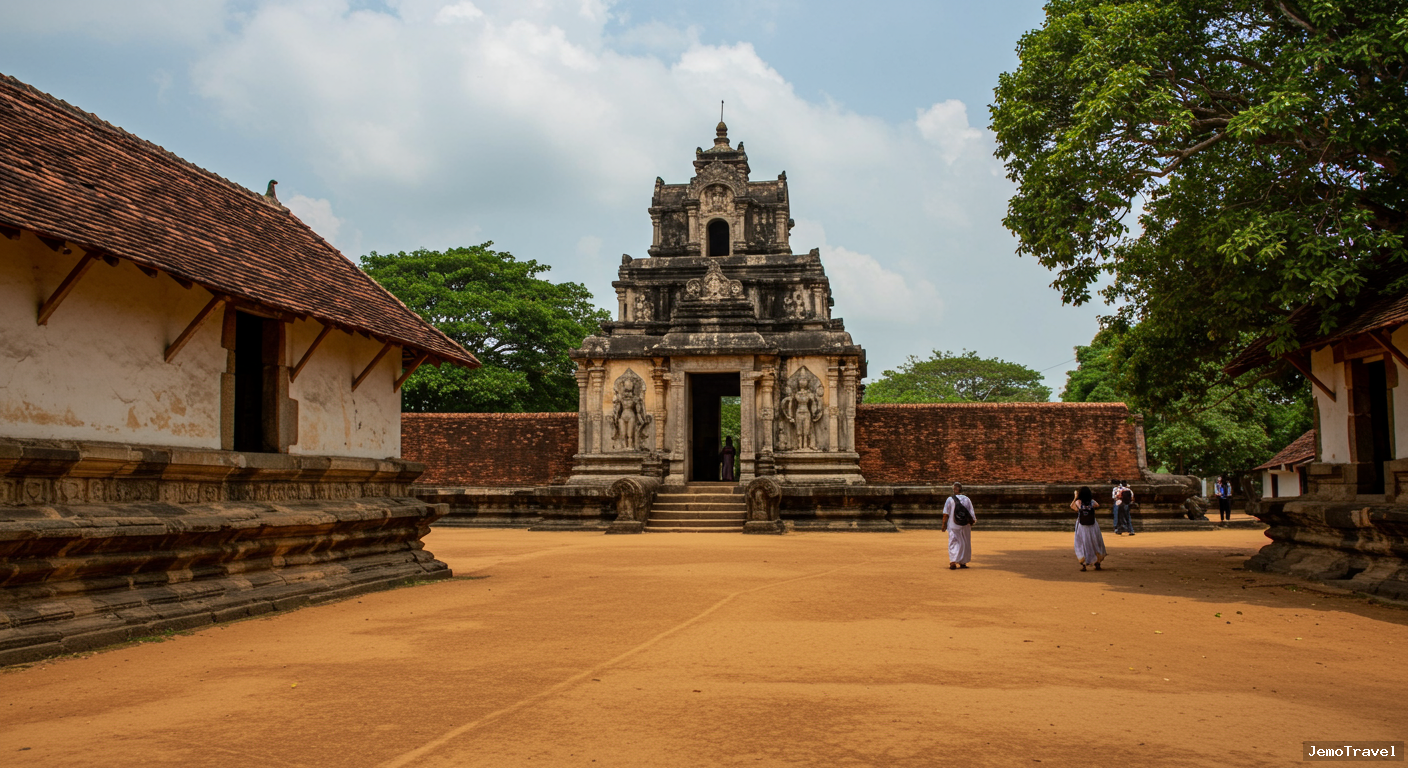
Jaffna Uncovered: A Guide to Northern Sri Lanka's Cultural Heart
Discover Jaffna, Sri Lanka's northern jewel. Explore its vibrant Tamil culture, ancient temples, and resilient history with our complete JEMO TRIP & TOUR travel guide.
Introduction
Far removed from the well-trodden southern coastal routes, Jaffna (Yalpanam) awaits at the northernmost tip of Sri Lanka, offering a journey into a realm of profound cultural distinction and resilient spirit. This is a city reborn, a vibrant hub of Tamil culture that feels worlds away from Colombo or Galle. Visitors are immediately greeted by the sweet scent of nelli fruit, the sight of countless palmyra palms standing sentinel against azure skies, and the resonant sounds of temple bells. Jaffna is not just a destination; it's an experience defined by its unique spicy cuisine, colourful Hindu kovils (temples), colonial-era architecture, and the genuine warmth of its people. A visit here reveals a side of Sri Lanka that is deeply historic, incredibly authentic, and movingly optimistic, showcasing a community that has meticulously rebuilt its identity and heritage, inviting travellers to witness its remarkable story firsthand.
History & Background
The history of Jaffna is as rich and complex as the curries it is famous for. Its story is dominated by the Jaffna Kingdom, also known as the Kingdom of Aryacakravarti, which rose to prominence in the 13th century. For nearly 400 years, this independent Tamil kingdom controlled the peninsula, fostering a distinct cultural, literary, and architectural identity. This era of autonomy came to an end in 1619 with the arrival of the Portuguese, who established a colonial foothold. They were later ousted by the Dutch in 1658, who left an indelible mark by constructing the formidable star-shaped Jaffna Fort, a structure that still dominates the city's landscape today. The British followed, and Jaffna continued to be an important administrative and educational centre.
More recently, Jaffna was the epicentre of Sri Lanka's civil war, which lasted from 1983 to 2009. The conflict left deep scars on the city and its people, isolating it from the rest of the country for decades. However, in the years since peace was declared, Jaffna has undergone a remarkable transformation. The city is not a memorial to its past but a testament to its future. The restoration of key landmarks like the Jaffna Public Library, which was famously burned in 1981, and the bustling energy in its streets and markets are powerful symbols of recovery, resilience, and a hopeful new chapter in its long and storied history.
What to See and Do
A tour through Jaffna is a captivating exploration of faith, resilience, and natural beauty. The absolute spiritual heart of the city is the magnificent Nallur Kandaswamy Kovil. This grand Hindu temple, dedicated to Lord Murugan, is an awe-inspiring sight with its golden gopuram (gateway tower) and intricately decorated interiors. Visitors should be mindful of the strict dress code—men must be bare-chested and all must cover their legs. The energy here, especially during the daily puja ceremonies, is profoundly spiritual.
History buffs will be drawn to the immense Jaffna Fort. Originally built by the Portuguese and extensively fortified by the Dutch into its iconic star shape, the fort offers a walk through layers of colonial history. Though damaged during the war, ongoing restoration work allows visitors to walk its ramparts, explore its gateways, and enjoy panoramic views of the Jaffna Lagoon. Nearby stands the Jaffna Public Library, a beautiful example of Indo-Saracenic architecture. More than just a building, it is a symbol of rebirth, having been meticulously rebuilt after its tragic destruction.
A short journey from the city is essential to truly grasp the region's diversity. A local ferry can take you to the island of Nainativu, a sacred place for both Buddhists and Hindus. Here you will find the Nagadeepa Purana Viharaya, one of Sri Lanka's holiest Buddhist sites, and the Nainativu Nagapooshani Amman Kovil, a colourful temple dedicated to the goddess Parvati. Witnessing pilgrims of different faiths share this small island is a powerful experience. Finally, for a unique natural encounter, visit the Keerimalai Hot Springs, where fresh water from an underground spring emerges right next to the sea, creating natural pools believed to have healing properties.
Best Time to Visit
Planning your trip to Jaffna is best done around its distinct weather patterns. The ideal time to visit is during the dry season, which runs from January through to early September. During these months, you can expect long, sunny days with minimal rainfall and temperatures typically ranging from 28°C to 32°C (82°F to 90°F), perfect for exploring the peninsula's outdoor attractions without interruption. The heat is consistent, so light clothing, sunscreen, and a hat are essential companions.
If your schedule is flexible, aim to visit in August to witness the spectacular Nallur Festival. This 25-day extravaganza held at the Nallur Kandaswamy Kovil is a vibrant, colourful, and deeply devout celebration that draws thousands of pilgrims from across the globe. It is a truly unforgettable cultural immersion. Conversely, it is wise to avoid the northeast monsoon season, which brings heavy and persistent rains from October to December, often causing localized flooding and making travel and sightseeing more challenging.
How to Get There
Reaching Jaffna from Sri Lanka's capital, Colombo, is an adventure in itself, with several reliable options available. The most scenic and comfortable way to travel is by train. The iconic 'Yal Devi' (Queen of Jaffna) express train offers a journey of approximately 6 to 7 hours, taking you through the changing landscapes of the Sri Lankan countryside, from lush central hills to the arid plains of the north. Booking a seat in an air-conditioned observation car is highly recommended for the best experience.
For a more budget-conscious choice, a comprehensive network of buses connects Colombo to Jaffna. Luxury air-conditioned coaches and public buses make the journey along the main A9 road, though the travel time is longer, typically taking 8 to 10 hours depending on traffic. For ultimate flexibility and comfort, arranging a private vehicle and driver through a trusted company like JEMO TRIP & TOUR is the premium option. This allows you to travel at your own pace and make interesting stops along the way, turning the transfer into a part of your discovery of Sri Lanka.
Travel Tips & Recommendations
To make the most of your Jaffna journey, a little preparation goes a long way. Always dress modestly, especially when planning to visit religious sites. For temples, this means covering your shoulders and knees. Remember the specific rule at Nallur Kovil, where men are required to remove their shirts to enter the inner sanctum. Carry a sarong or shawl with you for convenience.
Embrace the local cuisine, which is a highlight of any trip. Be sure to try the famous Jaffna crab curry, a fiery and flavourful dish, or the hearty Odiyal Kool, a traditional seafood soup. Also, sample sweets and drinks made from the fruit of the palmyra palm. While major hotels accept credit cards, many smaller shops, local eateries, and tuk-tuks operate on a cash-only basis, so it is wise to carry sufficient Sri Lankan Rupees.
Conclusion
Jaffna is more than a destination; it is a profound journey into the heart of Sri Lanka's Tamil culture and a testament to the power of human resilience. From its sacred temples and colonial forts to its unique flavours and welcoming smiles, Jaffna promises an authentic and enriching travel experience unlike any other in the country. Ready to explore the resilient spirit of the North? Contact JEMO TRIP & TOUR today to craft your unforgettable Jaffna adventure.
Related Articles
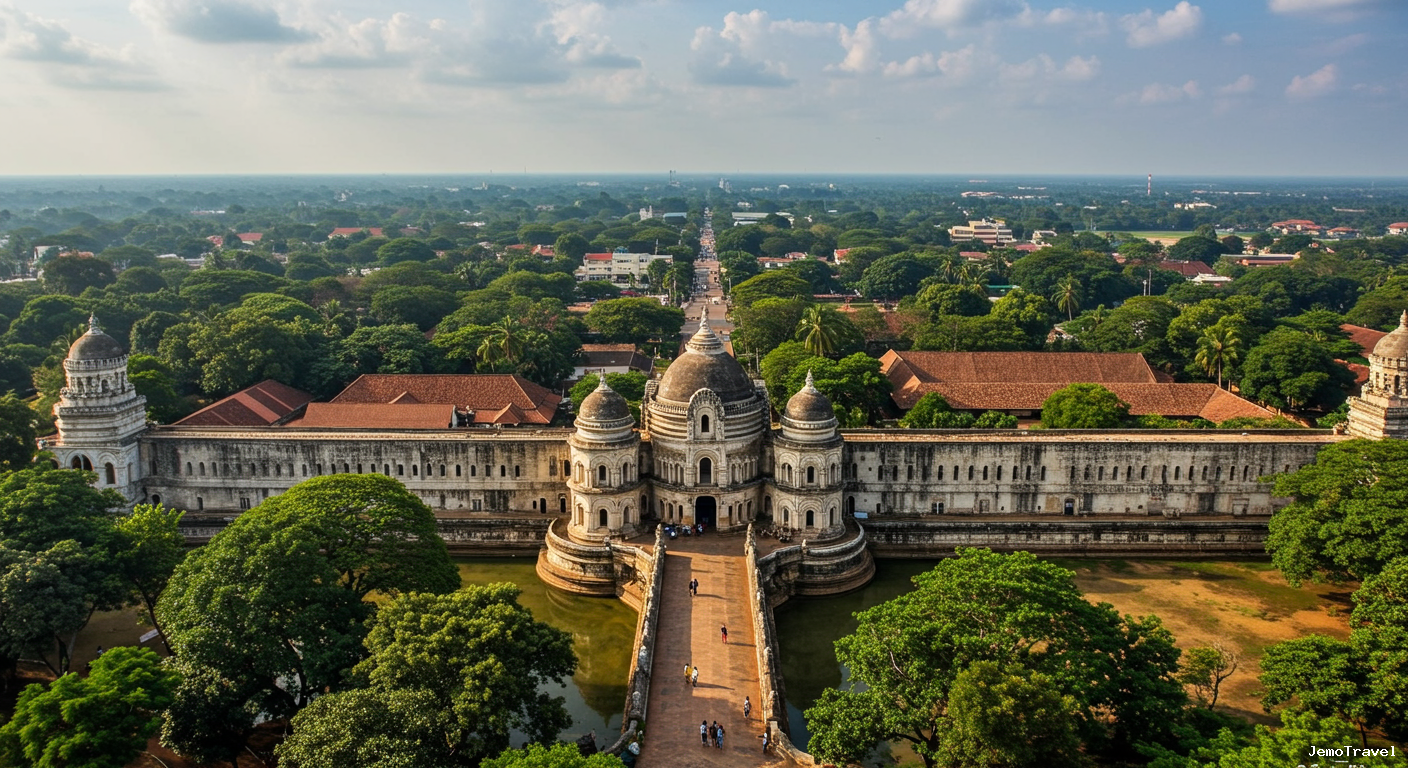
Colombo Unveiled: The Ultimate Guide to Sri Lanka's Capital City
Discover Colombo, Sri Lanka's vibrant capital! Explore its colonial past, bustling markets, and mode...
Read More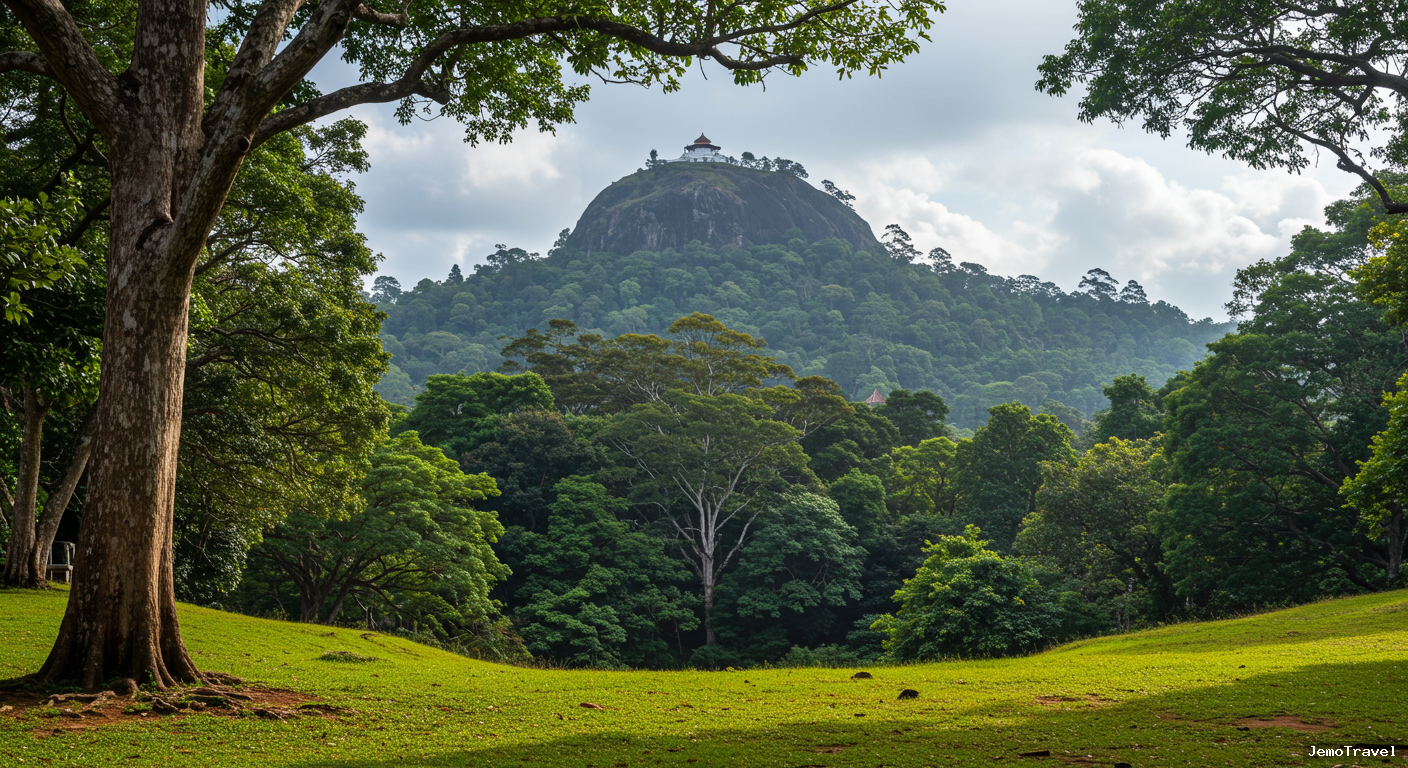
Udawattekele Sanctuary: Kandy's Royal Forest in Sri Lanka
Discover Udawattekele Sanctuary, Kandy's ancient royal forest. Explore lush trails, see rare wildlif...
Read More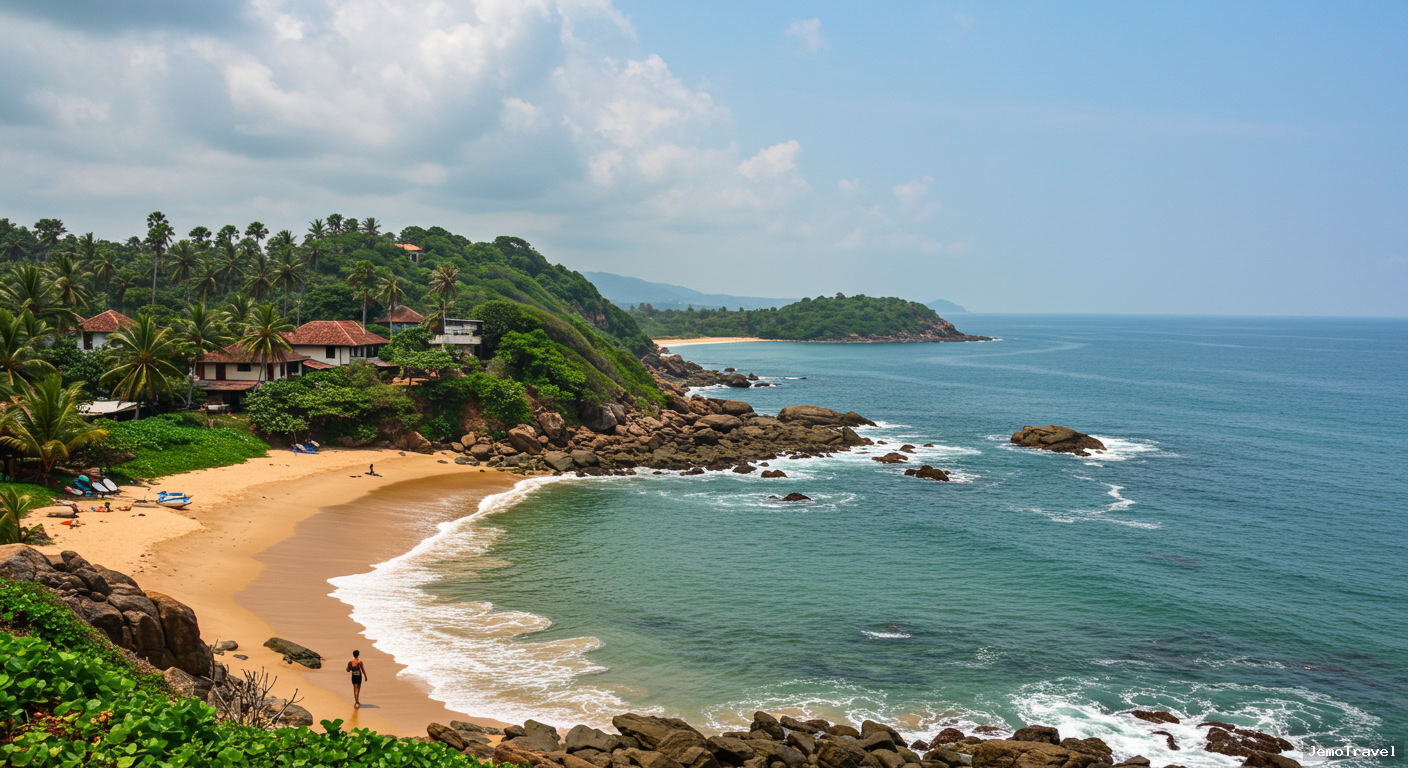
Sri Lanka's Golden Coast: A Guide to the Most Beautiful Beaches
Discover Sri Lanka's stunning coastline, from the surf havens of Arugam Bay to the tranquil shores o...
Read More